457 Williamstown Court IL
Twenty20 & Co Inc


Sep 8, 2025
"Every little detail matters."
🔺Tap To See
🔺 Product Information

elements

|
Sep 8, 2025 |

|
457 Williamstown Court IL Chicago, Illinois |

|
Detached |

|
Partly Sunny 72°F |

|
Agent & Client |

|
Baz Ansari
|

|
Edward & Jessica XXXXX XX New Brighten Falls XXXXXXX@gmail.com 9196250000 |

|
Kevin XXXXXXXX |

|
3:00PM Start Time |
method

From the disciplined approach of gathering information & curating, to the mixture of photos & clear narratives. The Method was founded on pure construction experience.
Designed to CONNECT you with the information to help make an informed decision & built to do one thing really well:
Drive the point home.
"Tell the story, share the knowledge & inspire action"


thank you
Thanks for choosing us for your home inspection. We appreciate your confidence in us & it was my pleasure to serve you today.
I will be your primary contact & I will do anything I can to make sure you are fully clear on my findings today.
Please feel free to contact us if you have any questions of if you need further information. We will gladly answer any questions.
Respectfully,

Baz Ansari
stuff.
A home inspection is kind of like an annual check-up at the doctor. It’s used to make sure things are working properly & it can be useful in spotting things that might eventually become a problem Some people actually think we come equipped with a crystal ball, a flux capacitor or even X-Ray vision! Unfortunately, we can’t go into the past, go “Back to the Future” or, like Superman, see through walls.
Disclaimers are boring so I won’t get into that but please understand we can only visually inspect what we see today. Every house is different just like every customer has different expectations of what a home inspection should be. However, we know some people like to read the report in its entirety. Attached we provided you with a full copy of our SOP’s & Disclaimers. 🔺HIT LOGO BELOW🔺

If you are reading this then obviously the details matter to you. You’d make a great home inspector.
legends
 |
It’s a snap! Here are some key terms you’ll see throughout. |
| Iconography | Sometimes we use icons or example images when it provides a more effective representation. |
 |
Immediate Attention There's some real urgency on the fix. |
 |
Attention Heads up! This may need to be fixed very soon. |
| Not Inspected | Limits out of our control & or outside of our SOP's |
| Hand Gestures | Non-verbal communication in a photo that packs a punch. |
| Issue: | Identify the problem if there is one |
| Action: | Recommended path to address the issue |
| L: | Location where it is found |
| T: | Typical Tradesperson |
| R: | Reason why it wasn't inspected |
| $ / $$ / $$$ | Merely a rough guide of overall cost. |
summary
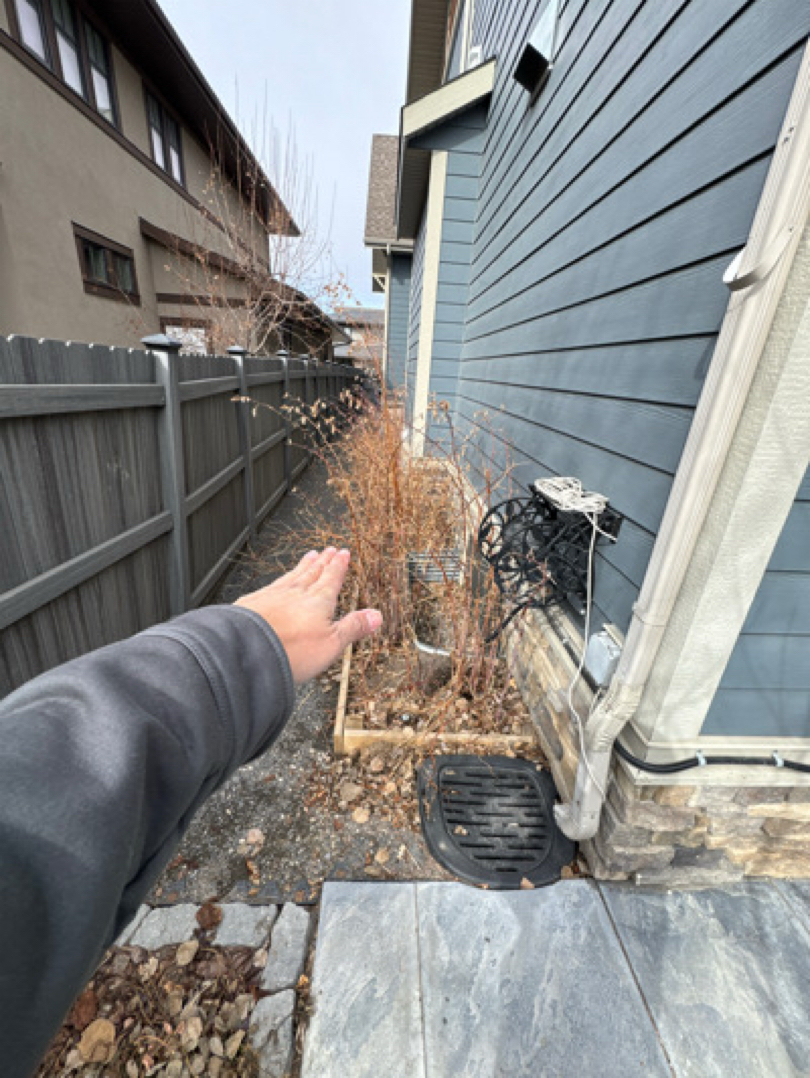
Action: Further Evaluate / Pin L: SW Sideyard
Notes: Lets get a licensed structural engineer or foundation specialist to determine the extent of movement and plan a course for corrective action. This is a ASAP priority!
Action: Seal Repair / Maintain
Notes: Maintenance – Issue(s) should be resolved as part of general upkeep.
Action: Improve Seal & Monitor L: Master closet
Notes: Attention – Issue(s) should be addressed in a timely manner.
Action: Upgrade / Improve
Notes: Maintenance – Issue(s) should be resolved as part of general upkeep.
Action: Replace / UPGRADE NEST L: Throughout
Notes: These alarms expire in 2025. This is always a safety concern, let’s get these changed sooner rather than later.
summary
Action: Re-seal & Secure
Notes: Service Recommended - Issue(s) should be addressed by a certified contractor
Action: Further Evaluate•Improve
Notes: This seems to be common place for this area. You may want to check the reducing valve at the water main. It may just be a minor adjustment.
Action: Seal & Secure
Notes: Observation – Issue(s) should be monitored; plan for correction.
Action: Secure and Seal T: Plumber L: See photo
Notes: Ignoring this could lead to water intrusion behind tile or even maybe down to the kitchen ceiling below.
Action: Replace / Install
Notes: Observation – Issue(s) should be monitored; plan for correction.
Action: Seal off / Blue Tuck tape L: Multiple Areas
Notes: Observation – Issue(s) should be monitored; plan for correction.
| R BACK TO SUMMARY |

|
|
|

|
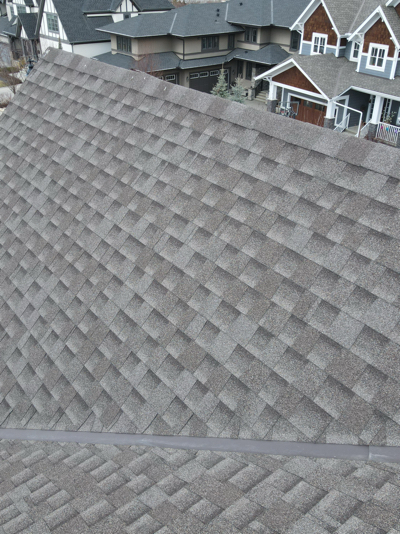
The Roof Surface
This is the outermost layer on the roof charged with providing shelter from the natural elements.
Roof Observations
Examined for continuity of material & coverage.
|
|

|
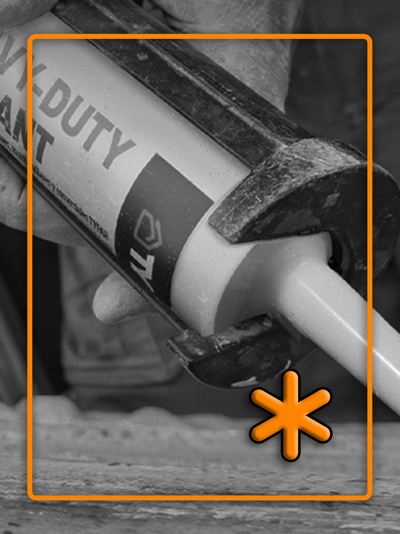
Roof Utility Penetrations.
Checked for proper sealant & installation. Regular maintenance recommended.
Sewer Stack
These vents are only used to vent sewer gas & to allow drains & toilets to operate efficiently.
|
|
|
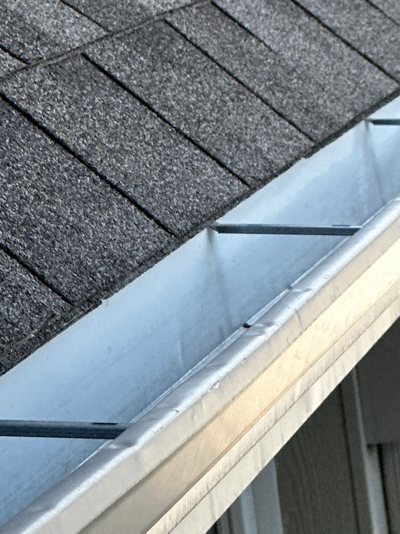
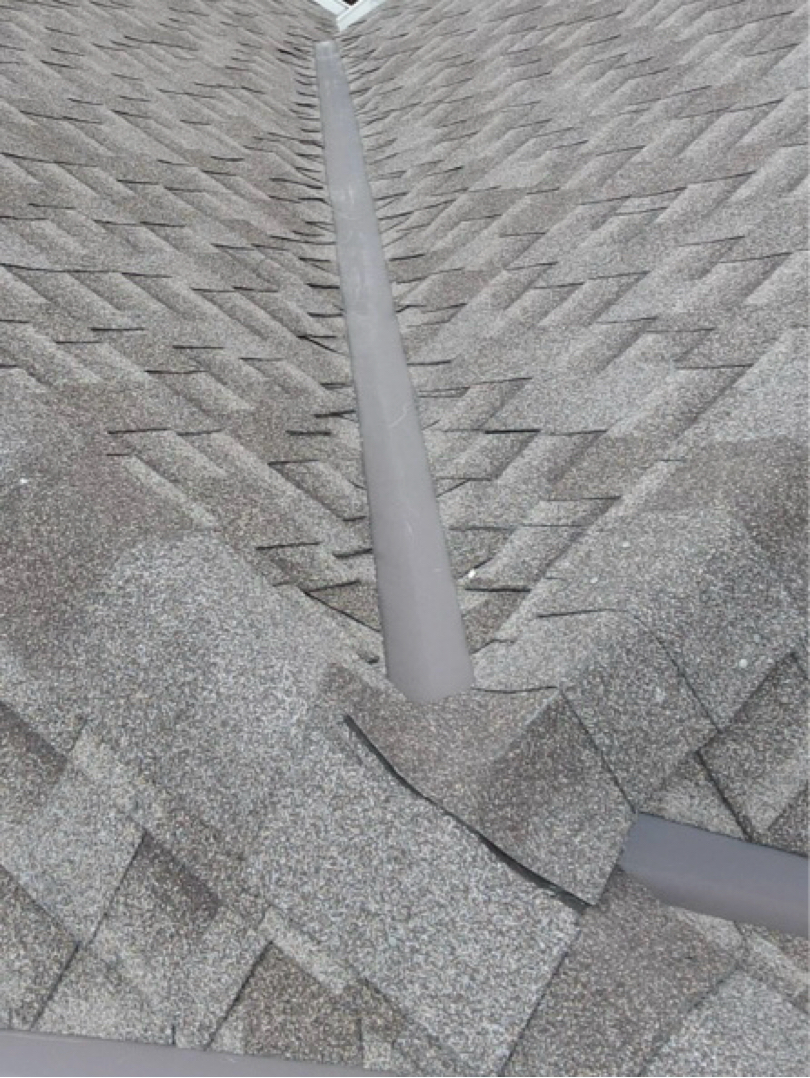
Inside Gutter
Regular cleaning of trough/scupper should be part of your yearly maintenance schedule.
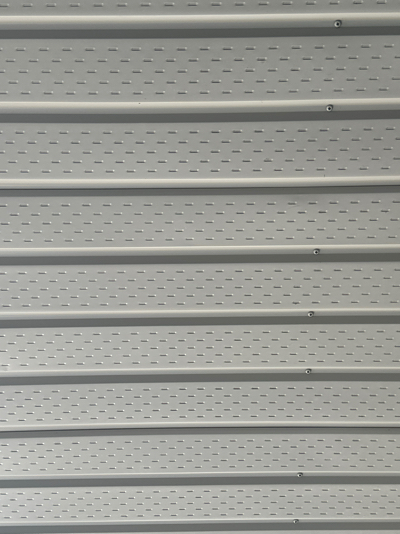
Soffit
Keep clean & free of debris like vegetation. A very important facet of the home!
|
|
Roof Disclaimer Stuff
Minor deterioration or defects in the roofing material are considered to be functional damage. We can not see through the Shingle or membrane to the sheathing & therefore can not be inspected for evidence of leaks. The remaining roof life is approx only & does not preclude the possibility of leakage. Leakage can develop at any time & may depend on rain intensity, wind direction, ice buildup & other factors. Chimney/flue interiors that are not readily accessible are not inspected & could require repair. The roof inspection may be limited by access, condition, weather, or safety concerns.
|
|
|
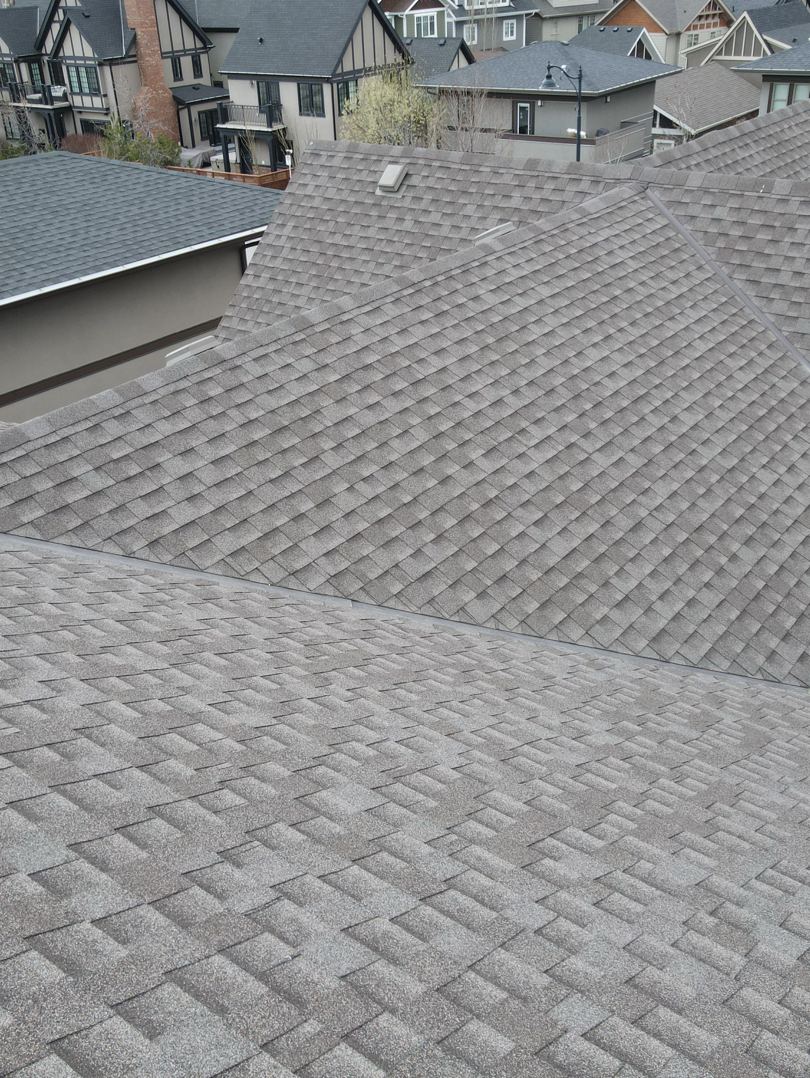
Roof Management
The key is leak avoidance. Find & correct defects before they leak by setting up a yearly roof maintenance program with a certified local roofer. It’s recommended to schedule a roof tune-up & as part of a regular maintenance schedule every 1-2 yrs. & after significant storm events.
|
|
| D BACK TO SUMMARY |
|
|
|
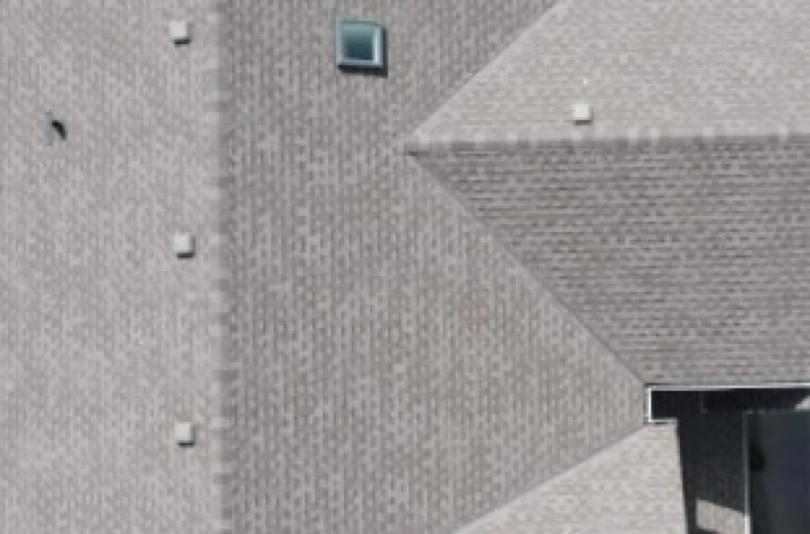
The View From Above
The roof of a home can account for up to 40% of the home's exterior. From curb appeal to home safety, it's important to keep the home looking sharp & (more importantly) dry. Make sure you look up every once in a while for anything out of the norm.
|
|
|
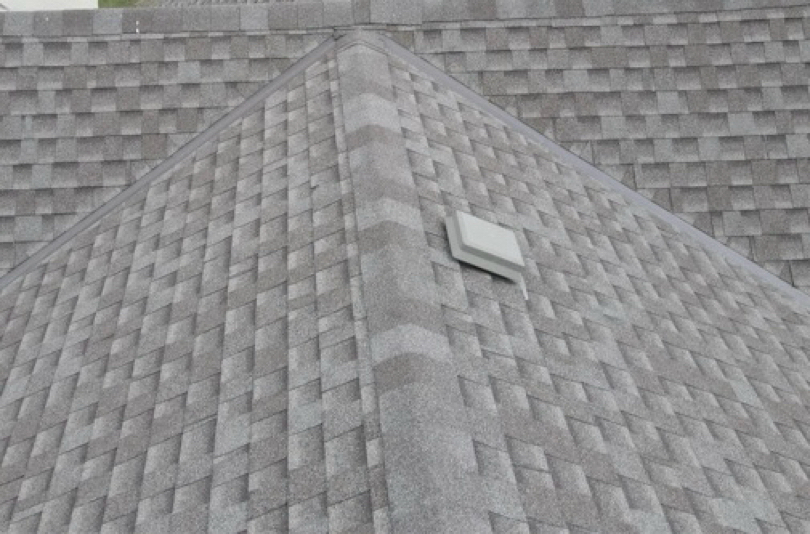
Box Vent (s)
Used in roof assemblies to allow outside air to enter or exit. Such as vents, stacks, flues & others. These should all be inspected yearly for deterioration & re-sealed as needed. 1 per 400 sqr. Ft noted.
|
|
|
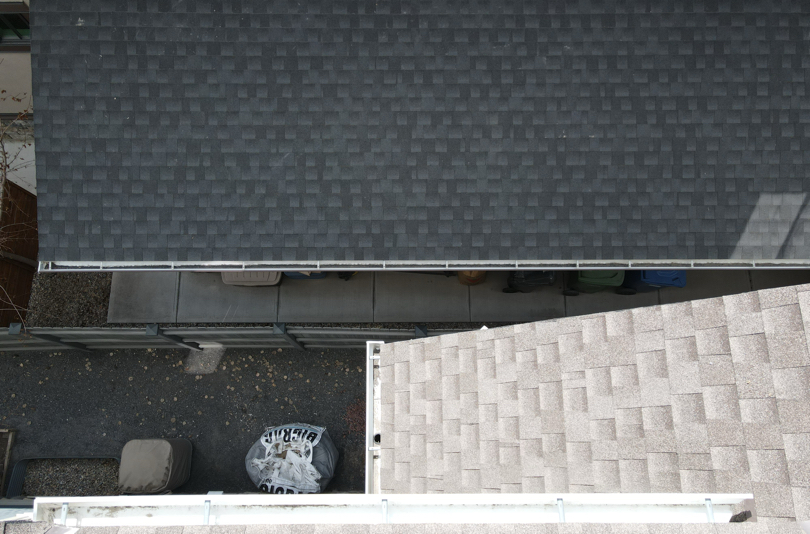
Inside Gutter
Responsible for channeling water flow from your roof through the downspouts & direct it to appropriate areas. Regular cleaning of trough/scupper should be part of your yearly maintenance schedule.
|
|
|
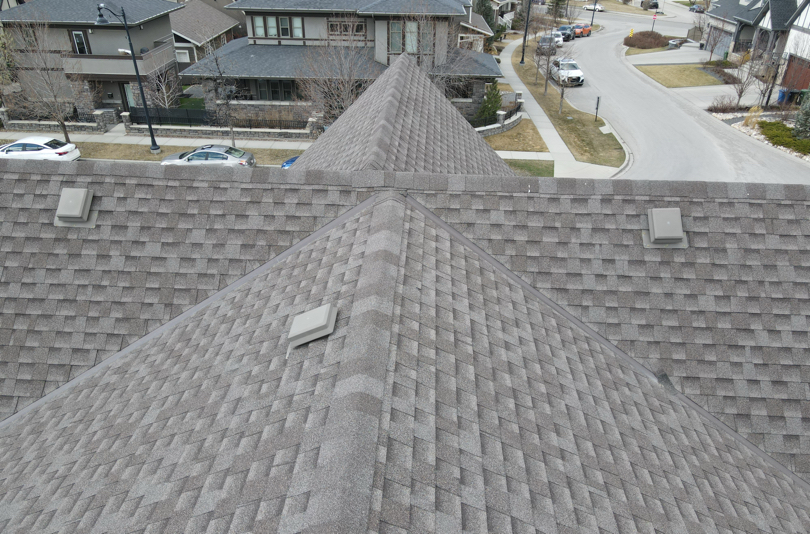
Roof Front View
See Photo.
|
|
|
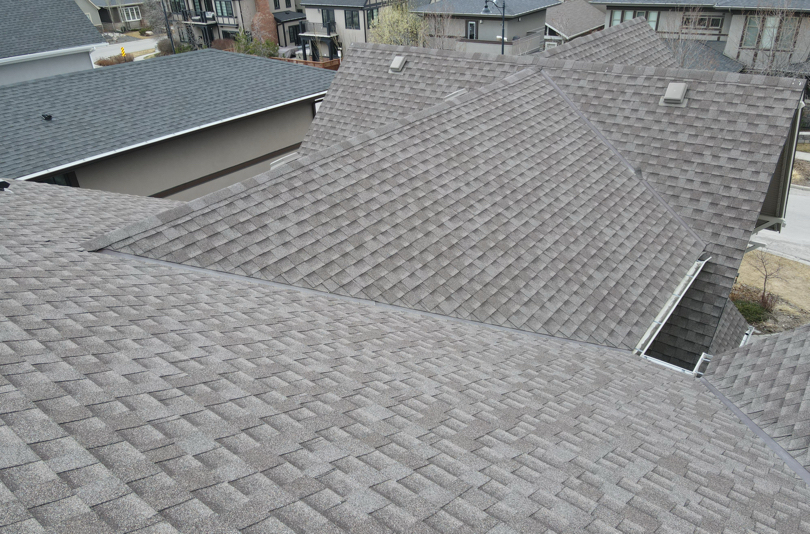
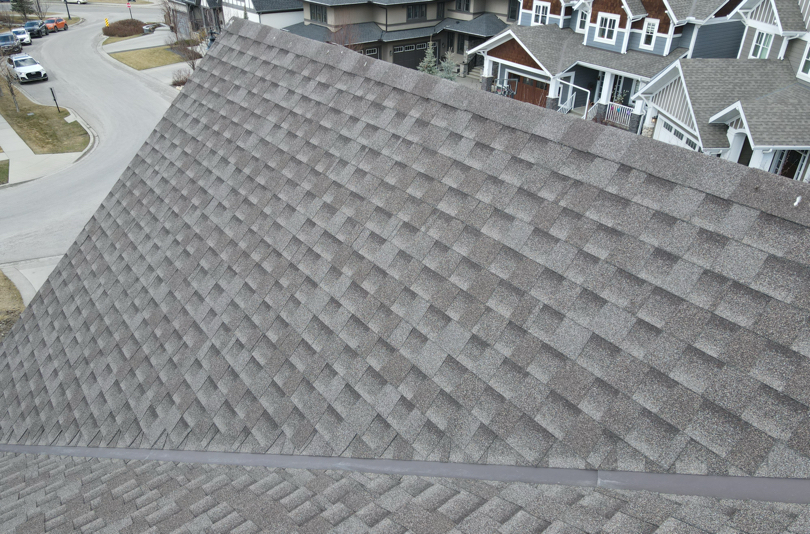
Roof Side View
Assessed for structural deficiencies
|
|
|
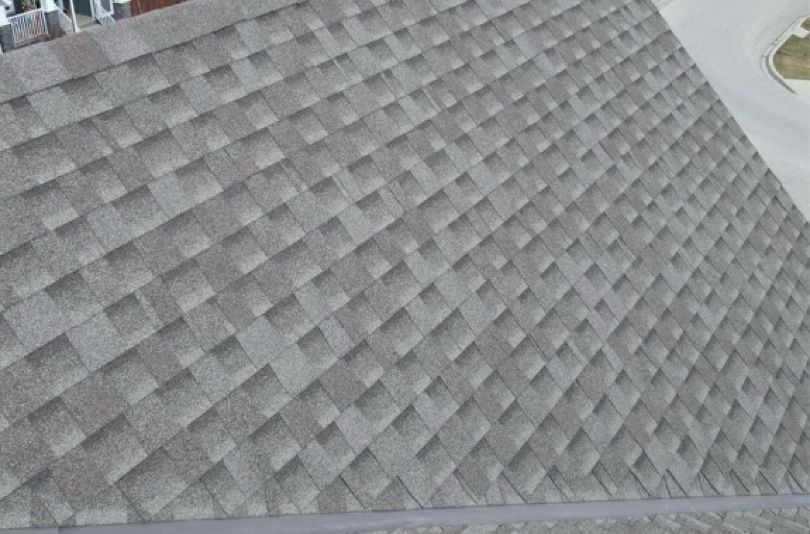
Roof Side View
For your records.
|
|
|
Roof Back View
See Photo.
|
|

|
*Bird’s Eye View*
Most people call them drones. Technically, they’re UAVs (unmanned aerial vehicles) or sUAS (small unmanned aircraft systems). No matter what you call them, these flying cameras & sensor holders have rapidly become valuable industrial inspection tools. Drone-based inspections help us improve efficiency & data quality while increasing safety & speed of operation.The roof of your building can be easy to ignore... until suddenly it’s not. Small damage from weathering & aging, as well as less subtle threats like storms, can slowly eat away at the performance & stability of your roof until one day you wake up in need of emergency repairs & end up stuck with a far larger bill than you ever expected. The solution? Regular, thorough roof inspections conducted by a professional using a drone. From reducing man-hours to ensuring more comprehensive analysis, drones have revolutionized the way property owners & contractors alike think about roof assessment. |
|
| E BACK TO SUMMARY |
|
|

|
|
Front Entry
Keeping a good seal is essential to maintaining your home's energy efficiency.
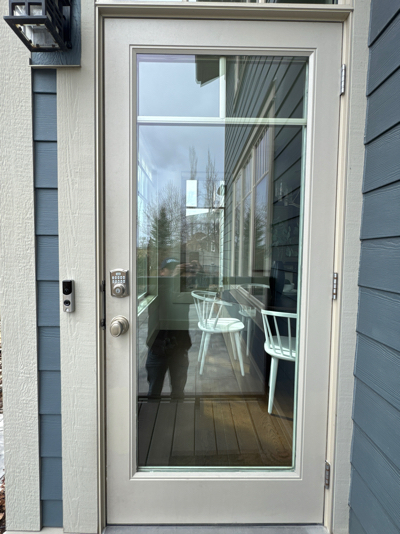
Back Entry
A well-installed & maintained door will save $$$ on heating & cooling costs.
|

|
|
Focal Window
Visually examine for common defects
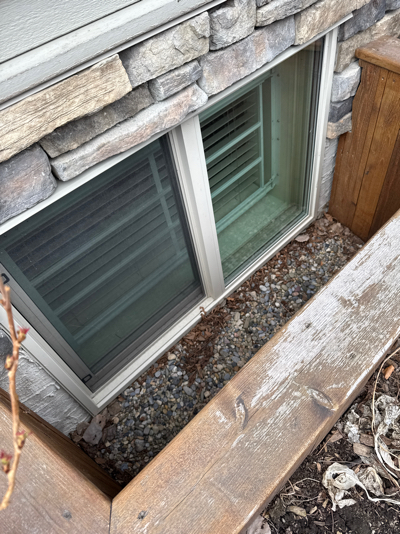
Basement Window
Please refer to local bylaws to understand the correct dimensions for egress.
|
|
|
Exterior Outlet
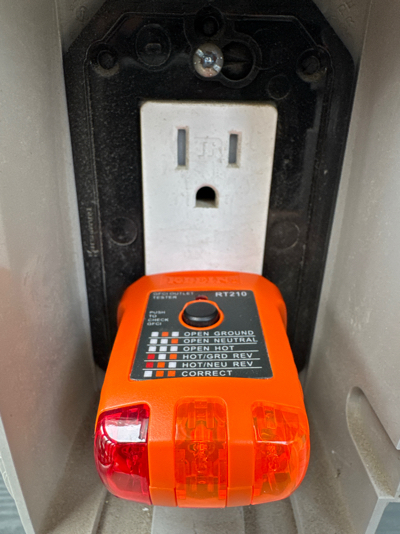
Weatherproof outlet covers are preferred. Tested for functionality.
Exterior Faucet
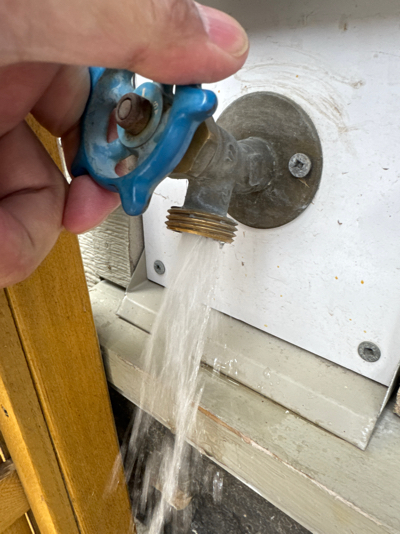
Ensure to properly winterize in the colder months. Turned on & OFF.
|
|
Windows
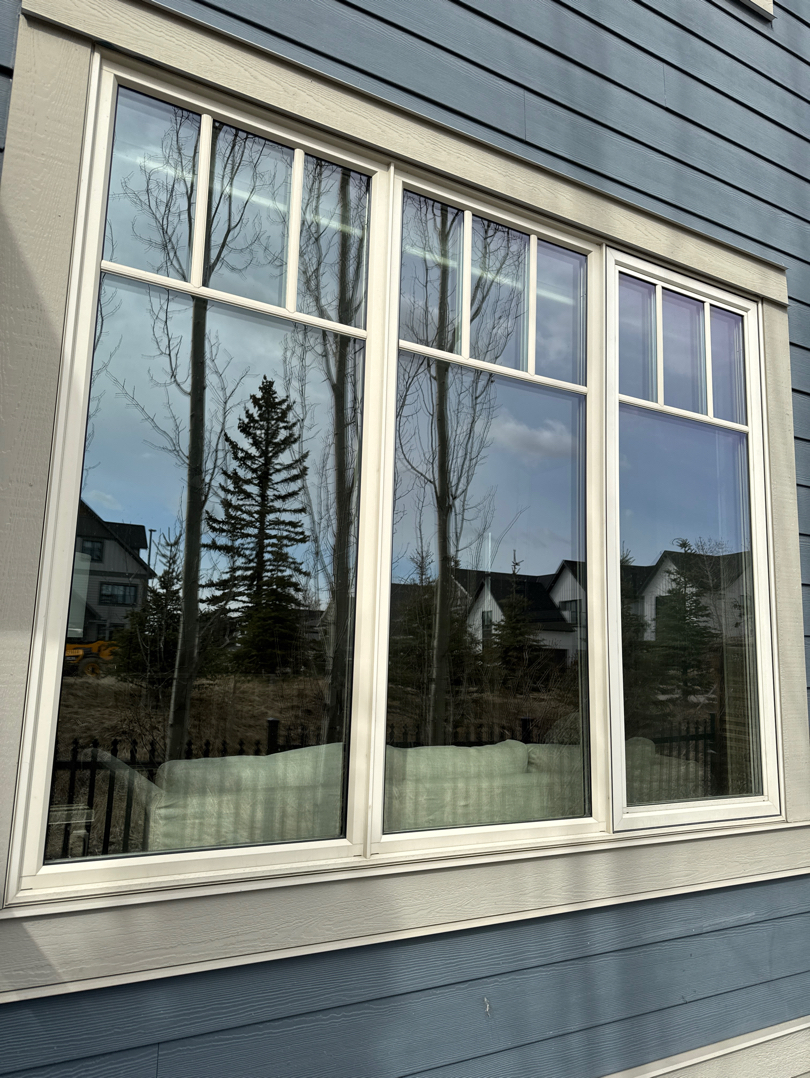
Visually scanned (From the ground) for defects like blown seals & deterioration. We also re-examine from the inside when testing the operation.
|
|
|
The Exterior Skin
Much like plants, people, or other living things, the skin of a building is that surface that interacts with the world at large. The skin (cladding) is responsible for protecting the contents, much like our skin protects us. It also makes a statement to our neighbors about the home inside. INFO: This home is comprised of several layers, ie: the wall's outer surface, vapor barrier, insulation, & more… The entire perimeter of the home should be closely monitored for change or damage. Examined for visual defects. Plan to establish a bi-yearly maintenance routine.
|
|
|
|
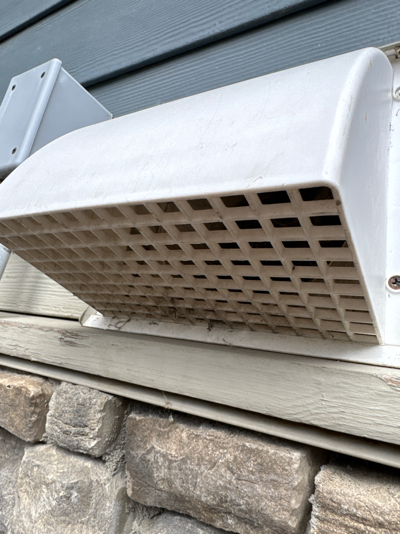
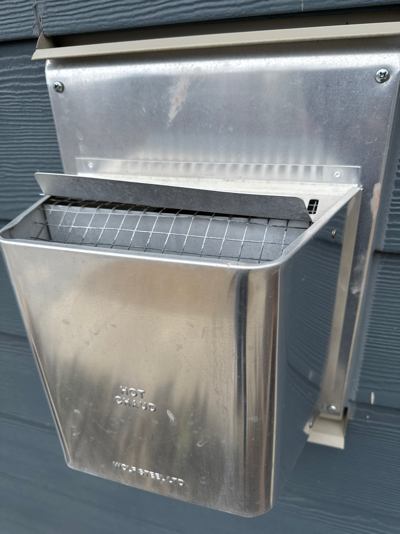
The Vents
Dirty intake/exhaust vents could impede their ability to function.
Vent Protection & Efficiency
Seal around penetrations, clean lint/debris, remove obstructions & trim back vegetation seasonally.
|

|
|
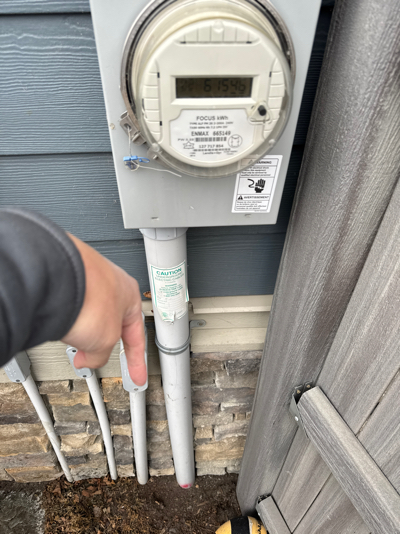
Exterior Penetrations
Fill & maintain all utility penetrations leading in or out of the home to prevent moisture intrusion.
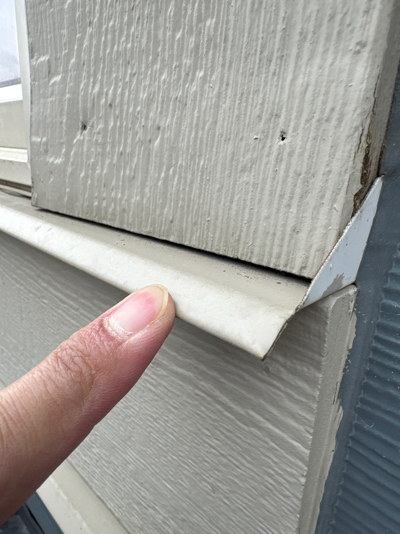
Flashings
These prevent water from entering penetrations in the cladding, like a window or door.
|
|
|
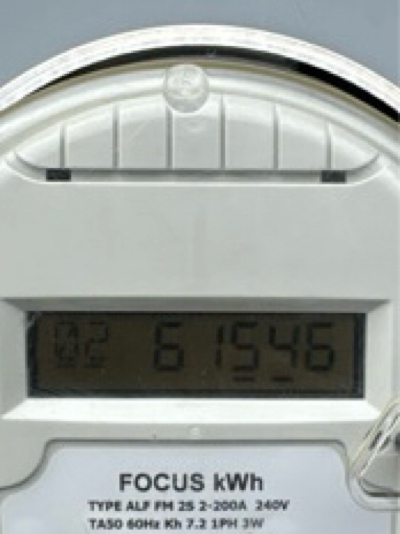
Electrical Entry Point
How electricity makes its way into the home—either overhead power lines or underground
The Electrical Meter
Electricity goes through the meter to the main panel & onto the outlets.
|
|
|
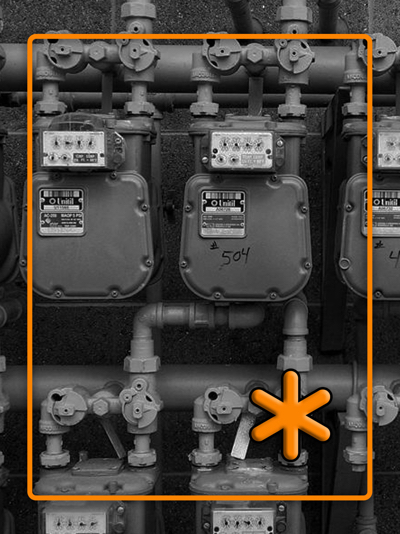
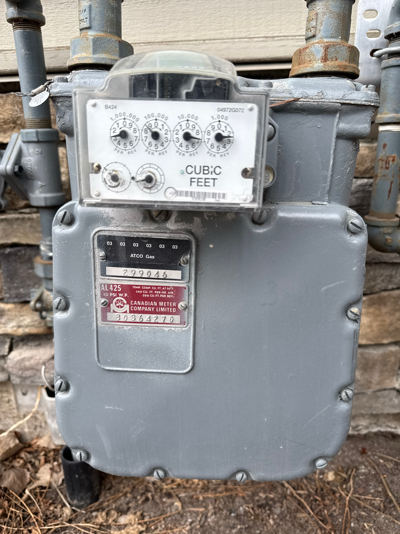
Open And Close Gas Meter
It’s just good to know how to operate this in the case of an emergency. This is where they shut it down if you miss a bill.
The Gas Meter
If you ever smell gas, call your local supplier to have it further assessed & keep a wrench handy to shut it down.
|
|

|
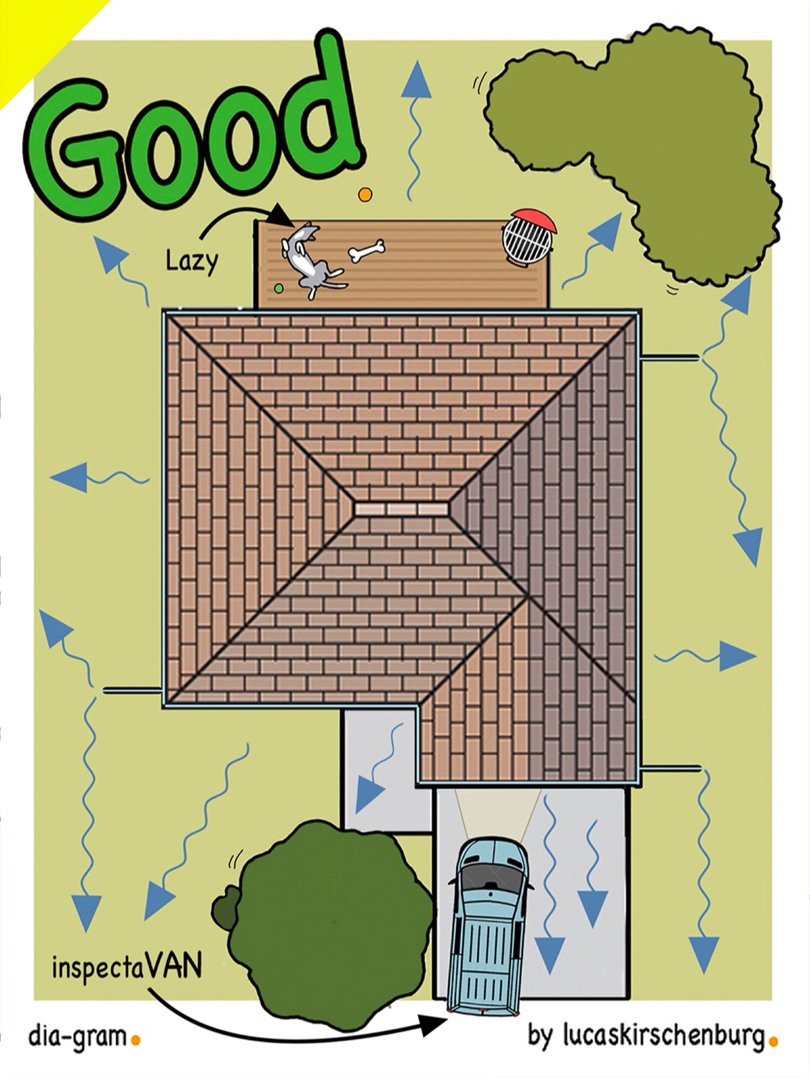
Good Grading
Signs of good grading on a house property include: Proper Sloping: The land around the house slopes away from the foundation, directing
Grading
Uneven land prevents proper water drainage, & during rainfall, water can flow towards the home rather than away.
|
|

|
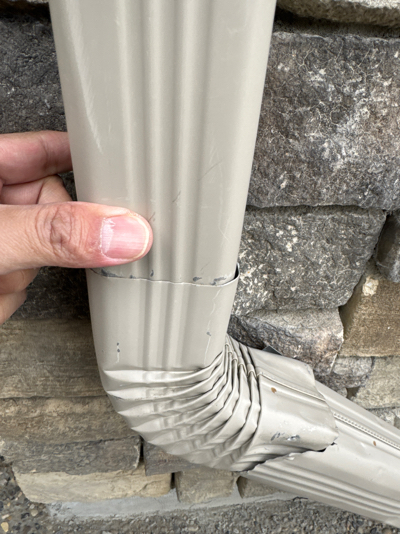
Downspouts
Keep downspouts down & ejecting a minimum of 4' from the foundation.
Pathway Material
It’s all about first impressions! Keep clear of tripping hazards & debris.
|
|
|
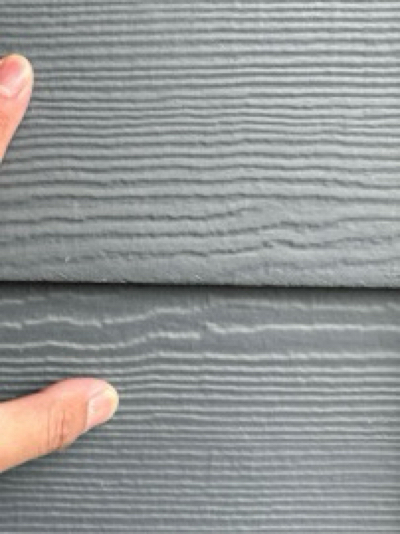
Exterior Cladding
Here is the primary protective layer between your home & the external elements.
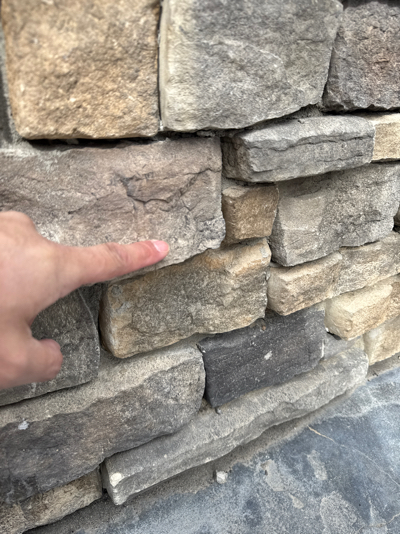
Faux Stone work
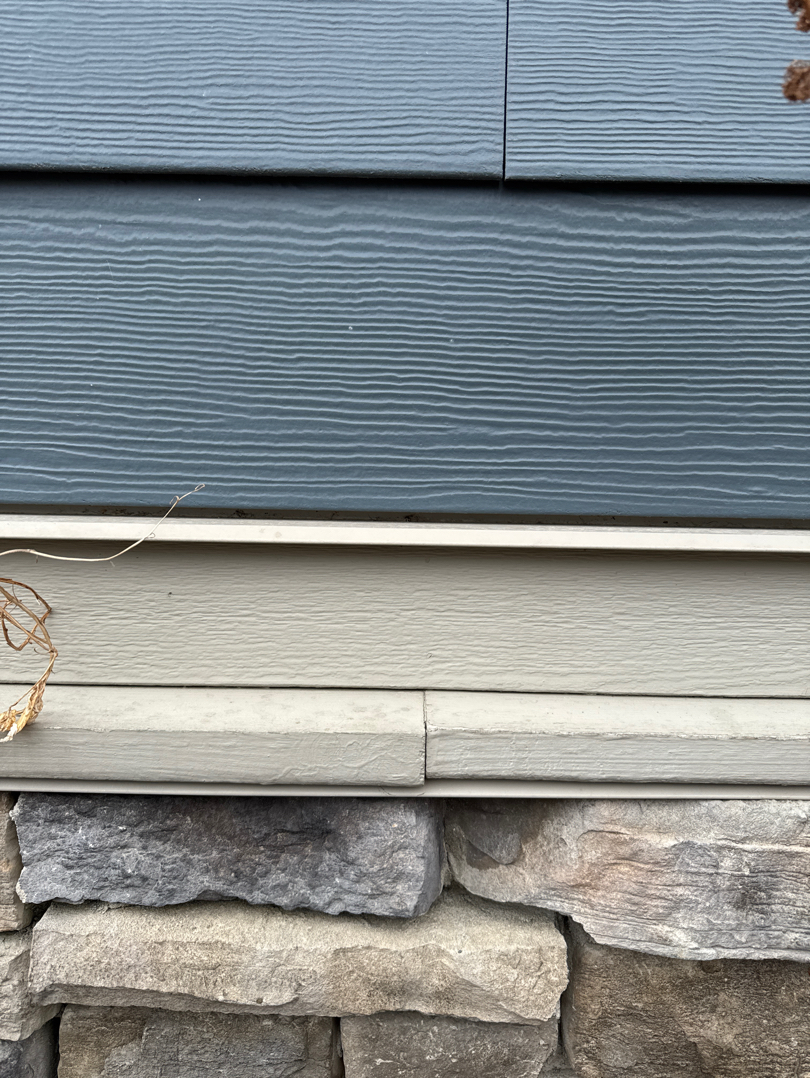
The semi-protective/cosmetic mortar applied to the foundation is known for two things… it’s usually grey & cracks. Minor cracks noted.
|

|
|
Foundation Stuff
As you know, most of the foundation is impossible to see. We walk around the perimeter to see what catches our eye.
About Cracks.
If two dimes can fit into the crack, get it checked by a structural engineer. Minor fractures can be repaired with a mastic.
|

|
|
|
|
Support Photo
This was heavily exhausted from the inside with our thermal cameras, and there does not appear to be any moisture intrusion. However, the longer this is left open the greater the chance of expansion and contraction and potential structural issues. Let’s make sure we get a certified concrete specialist on this to pin and seal on a stagger or whatever method they suggest.
|
|

|

|
This page
One space. Captured clearly — so you know what’s there and its exact condition this day.
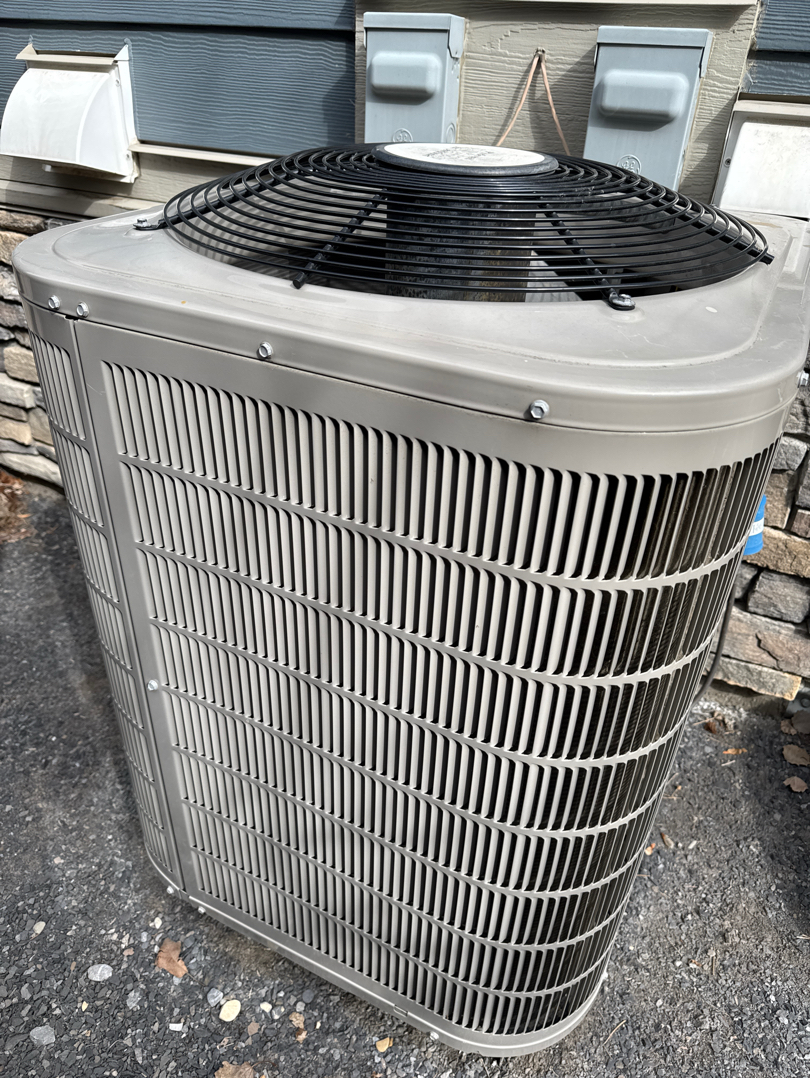
Name Brand
See Photo
|
|
|
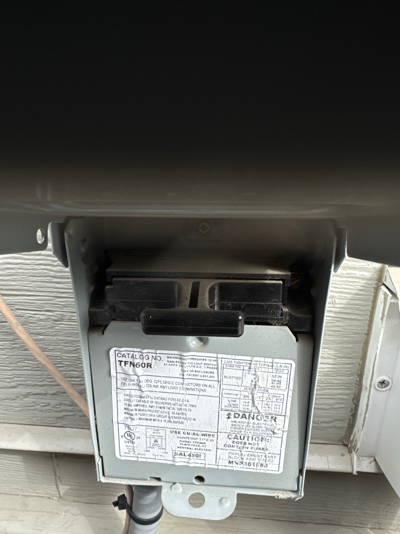
AC Disconnect
A simple on/off switch that cuts the power to your equipment or electrical enclosure.
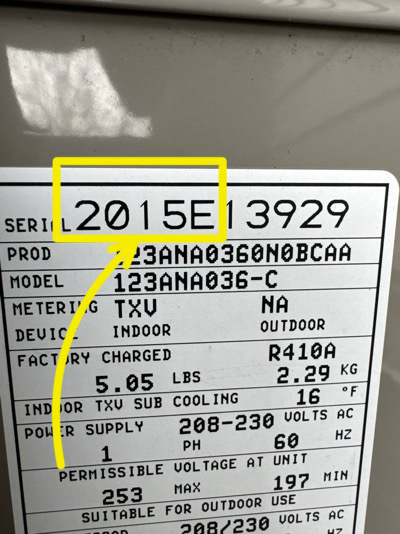
AC Data Plate
Here contains a unique model & serial number.
|
|
Air Conditioner - TESTED
Regular maintenance of your AC unit is essential to ensure it operates efficiently and reliably, especially during hot months. Basic maintenance tasks include cleaning or replacing the air filter every 1-3 months, depending on usage, to maintain good airflow and air quality. Keep the outdoor condenser unit clean and free from debris like leaves and grass clippings to optimize heat exchange. Ensure all vents and registers are unobstructed to maintain proper airflow throughout your home. Periodically check the refrigerant levels, electrical connections, and thermostat settings, and consider scheduling an annual professional inspection to address any potential issues before they become major problems. These simple steps can prolong the life of your AC unit, reduce energy costs, and keep your home comfortably cool.
|
|

|
*Exterior Monthly List*
While we're able to control the environment (temperature, humidity, lighting) inside our homes, we have very little control over the weather buffeting our homes outside.Here are some things to keep your eyes on throughout the seasons: - Roof & flashings - Valleys - Where different sections meet - Facia boards & soffits located right below the roof line - Gutters & downspouts may need cleaning or repairs - Exterior cladding; if it looks wrong, it probably is - Windows & doors: may just need a simple tuneup for functionality - Foundation: were looking for cracks or improper grading - Decks & porches - Sidewalks & driveways - Yard clean-up; has a lot to do with proper grading Just like your annual doctor check-up, your home will need your attention seasonally to prevent small things from turning into big things! |
|
| G BACK TO SUMMARY |
|
|
|
|
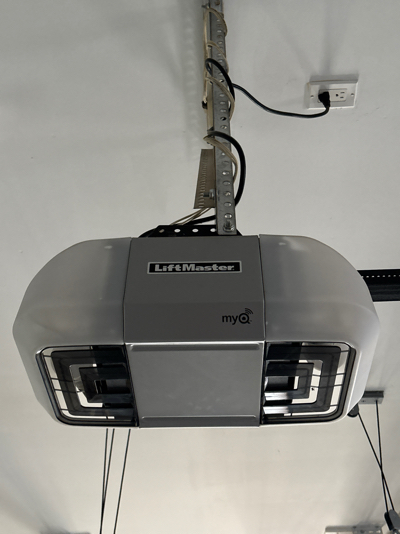
Garage Motor • Control TESTED
Don't forget to ask the seller to leave behind the remote(s). The average lifespan of a motor is 10-12 years.
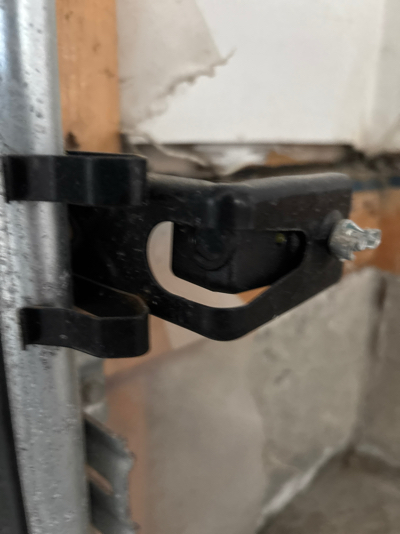
Garage Safety Sensors TESTED
These little guys project an invisible light beam to ensure safety. Keep them aligned.
|
|
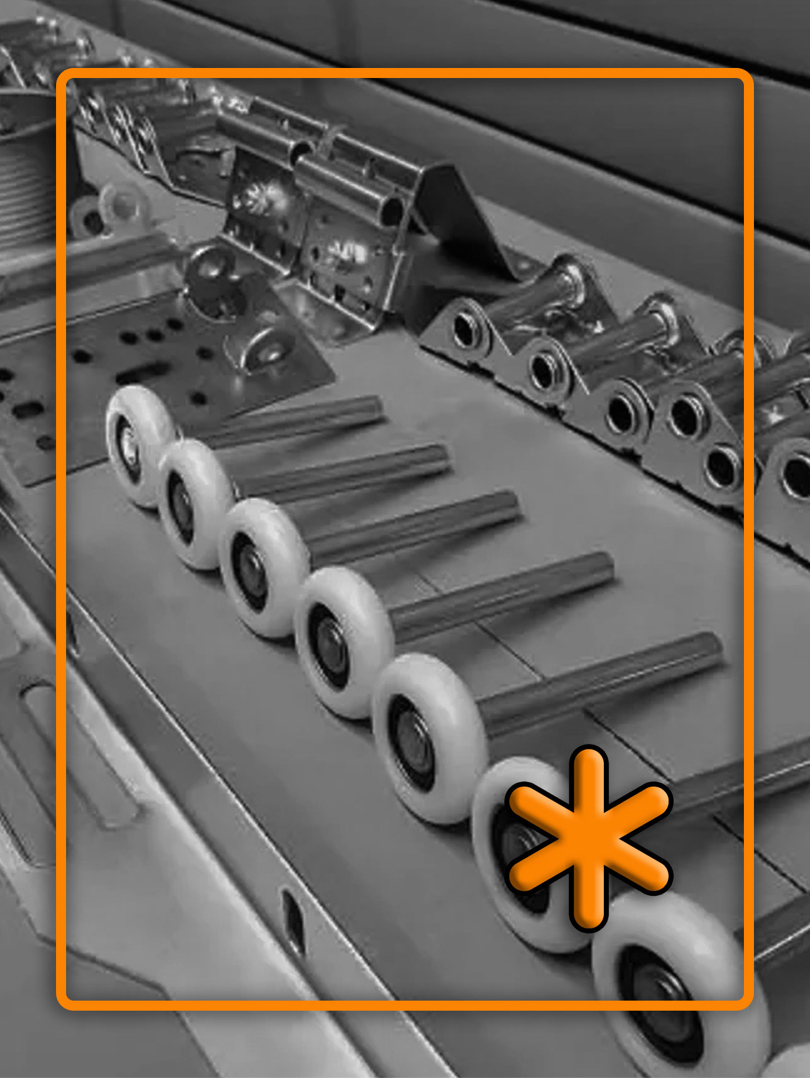
Garage Maintenance.
Learning how to maintain a residential garage door is key to operating it efficiently. A malfunction can prevent you from taking your car out of the garage when you want to. Regular maintenance twice a year can make such mishaps less likely. INFO: Visually inspect the door, perform safety tests, examine hardware for defects, service the chain or belt, service seals & springs, clean the garage door surface, replace batteries & bulbs, & Reduce friction between the door & the stop. Adjust the opening & closing speed.
|
|
|
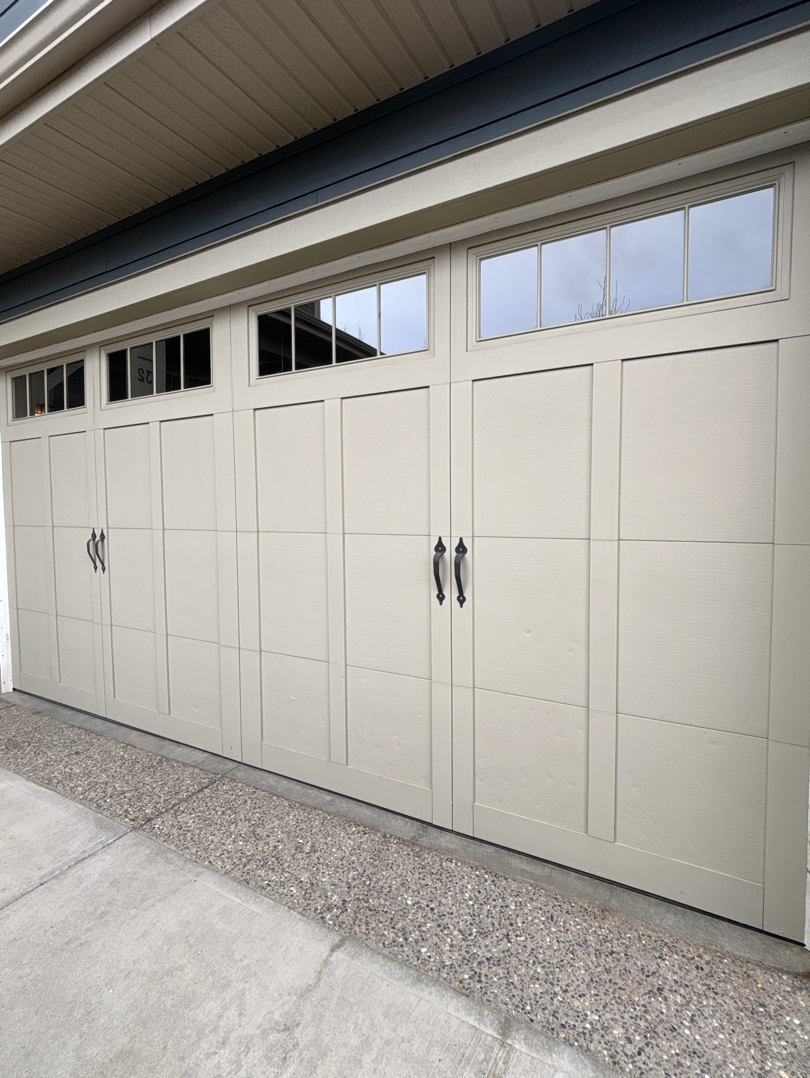
Garage Door Exterior View
Visually inspected overall for damage, & other general wear.
|
|

|
|
|
|
|
|
This page
One space. Captured clearly — so you know what’s there and its exact condition this day.
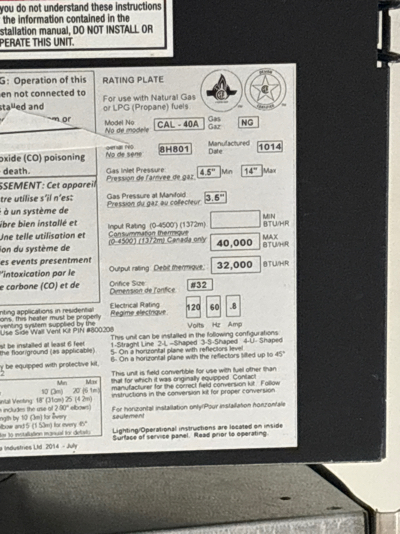
Garage Heater Data Plate
This usually contains model & serial #. It also contains the birth date & other important info.
|
|
|
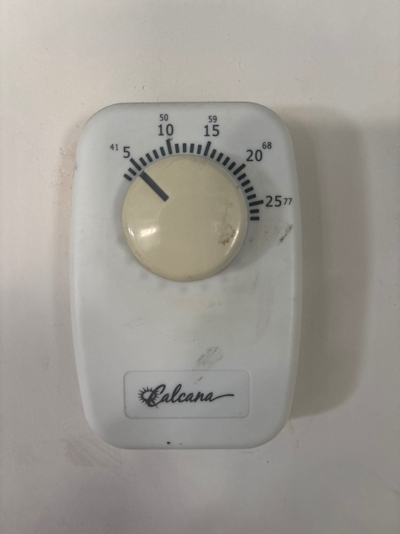
Thermostat BEFORE
Set a couple of degrees above the original setting.
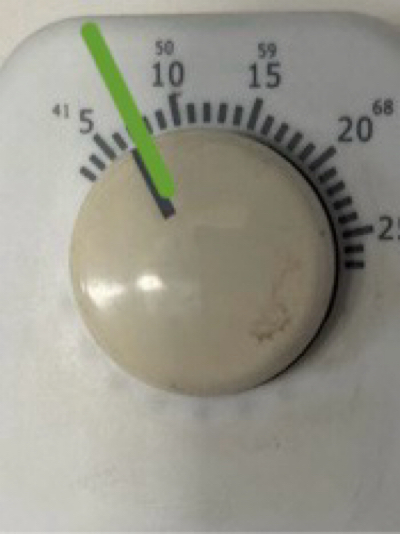
Thermostat AFTER
Set back to its original state.
|
|
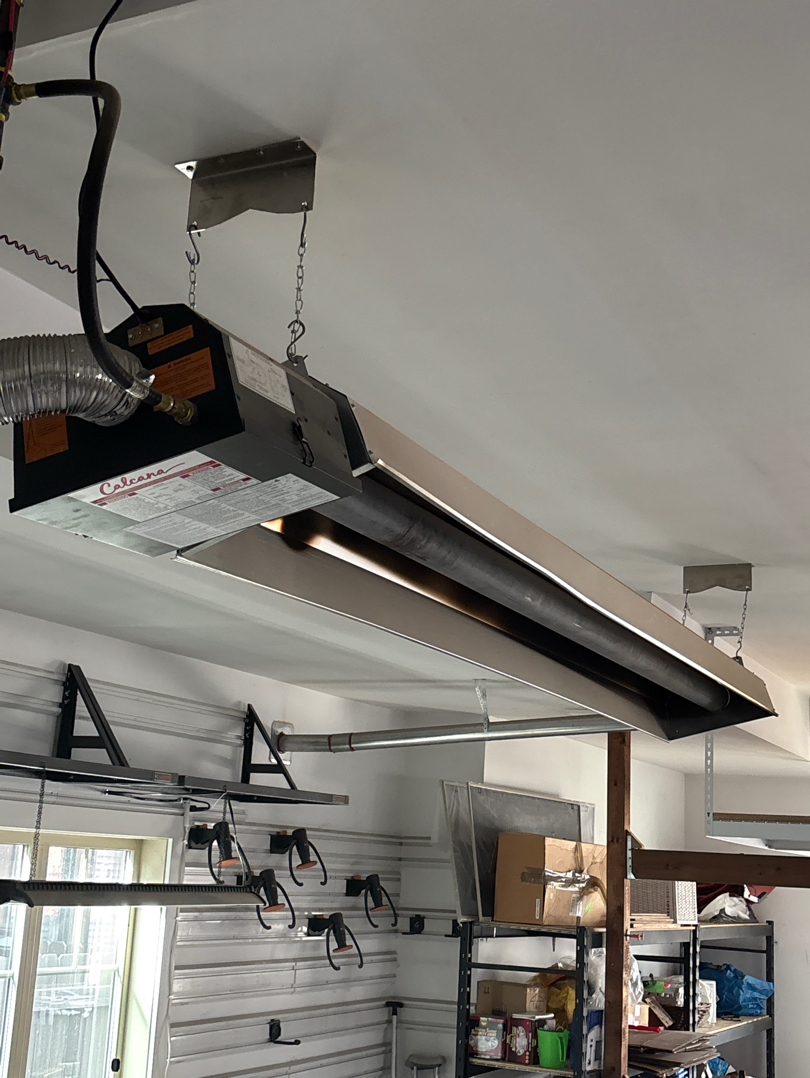
Garage Heater
Keeping your vehicles in a heated garage means no warming them up before you get in, saving fuel. A warm garage can lengthen your vehicle's battery life & performance. Plus, if your car needs a jump during the winter, you'll be much happier doing it in a heated garage. Examined for overall functionality.
|
|

|
*The Garage*
Perhaps no other part of your home experiences as much wear & tear as your overhead garage door.The average garage door will go up & down more than 1000 times a year. When kept in good working order, it provides convenience & security. But...a neglected door can not only become as noisy as a locomotive but also poses a significant safety risk to your family, especially your kids. Tighten the nuts & bolts. Because your door moves, the hardware can loosen. Inspect & tighten all roller brackets & bolts that hold the rails to the support brackets. Lubricate the chain or the screw on your opener annually with white lithium grease. Spray-on versions are available at most home centers. Lubrication will make the opener's operation smoother & quieter & extend the life of both the chain & opener. Inspect & maintain your garage door annually for safety & convenience sake. |
|
| A BACK TO SUMMARY |
|
|
|
|
|
|
*The Hatch
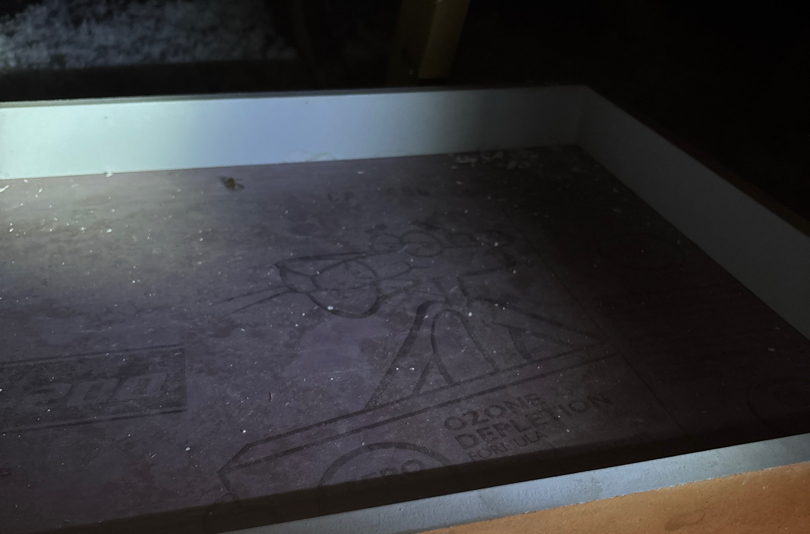
Make sure your attic hatch is properly insulated and sealed with firm compression against the weatherstripping. Whether the attic is hot or cold, gaps can let conditioned air escape — and where that air goes, condensation often follows. Latches, better seals, and added insulation all help.
|
|
|
|
|
|
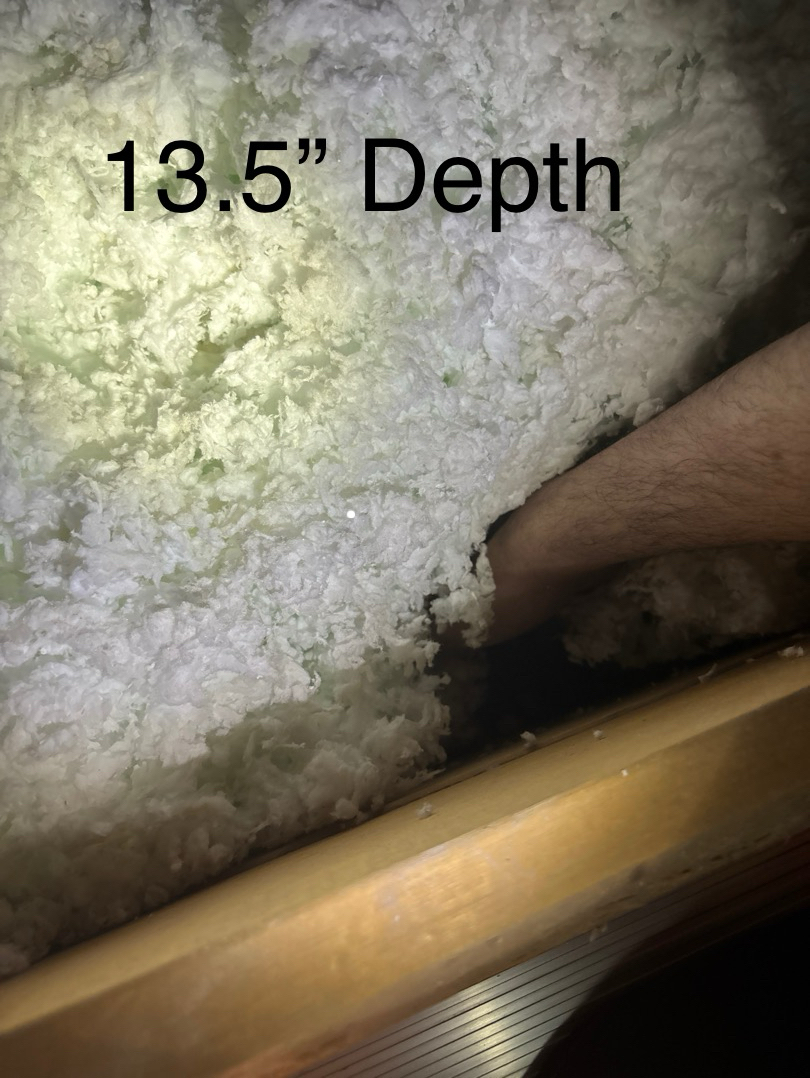
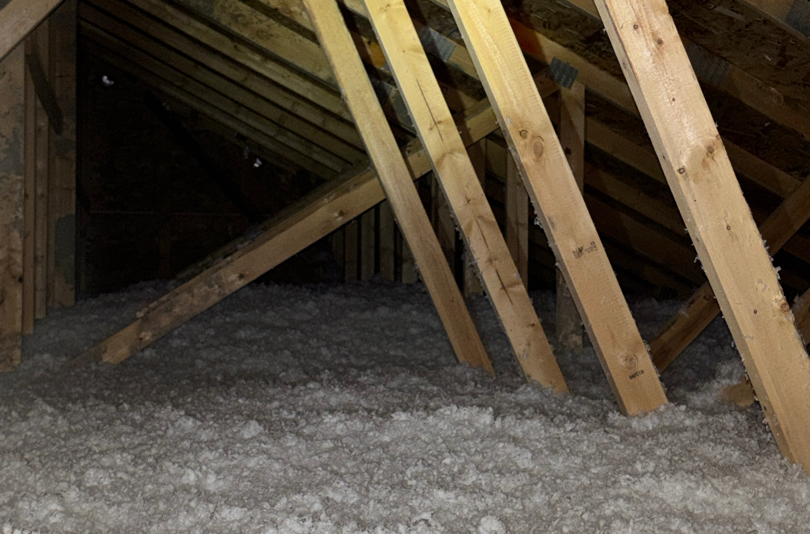
Insulation Depth 13.5”
There's no getting around it: If your house is in cold weather, keeping it warm in winter is expensive. Having the correct amount of attic insulation can help you maintain a comfortable temperature throughout your home & help save $$$ on your energy bills. *Plus, it could help prevent major issues like ice dams or even attic rain.QUICK FACTS: Attic insulation is the easiest & most cost-effective upgrade to a home. A properly insulated attic can save you an estimated 10-50% on your heating bill. |
|
|
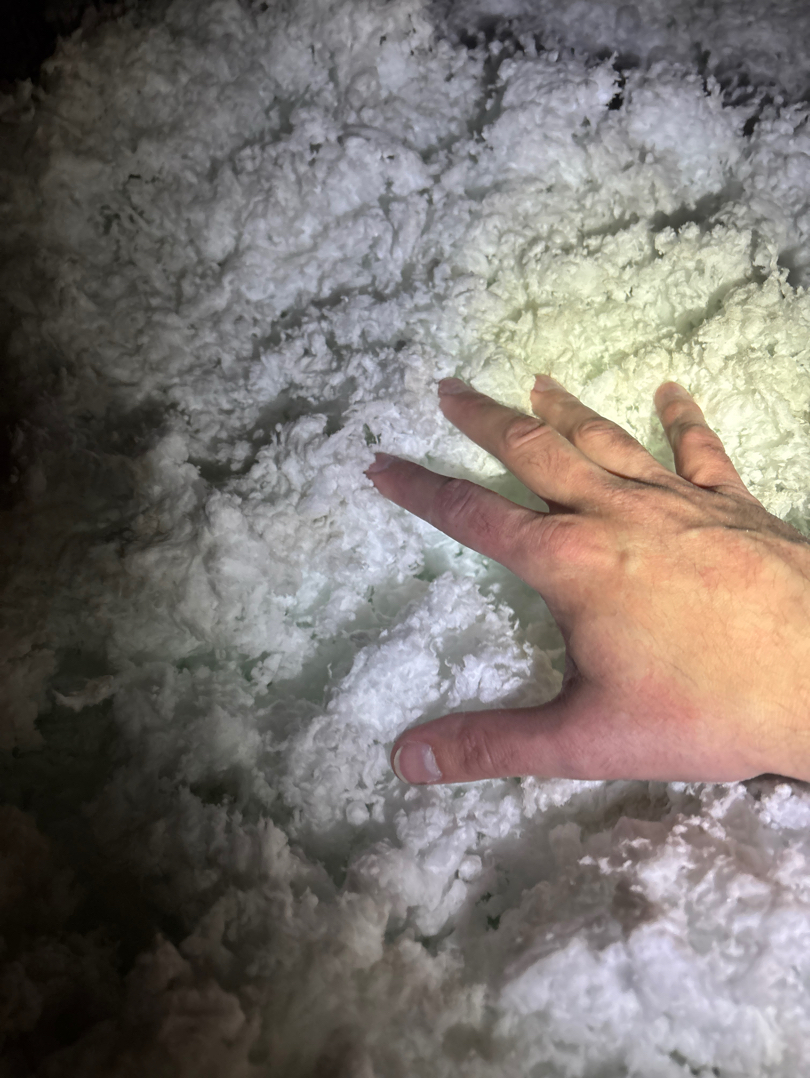
Insulation material
For maximum energy efficiency, attics should be sealed, insulated, & well ventilated. No other insulation noted. Vapour barrier present.
|
|
|
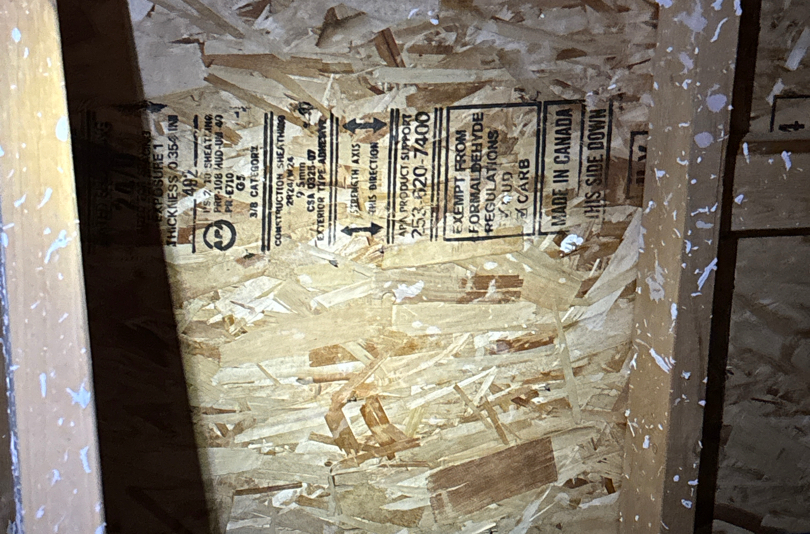
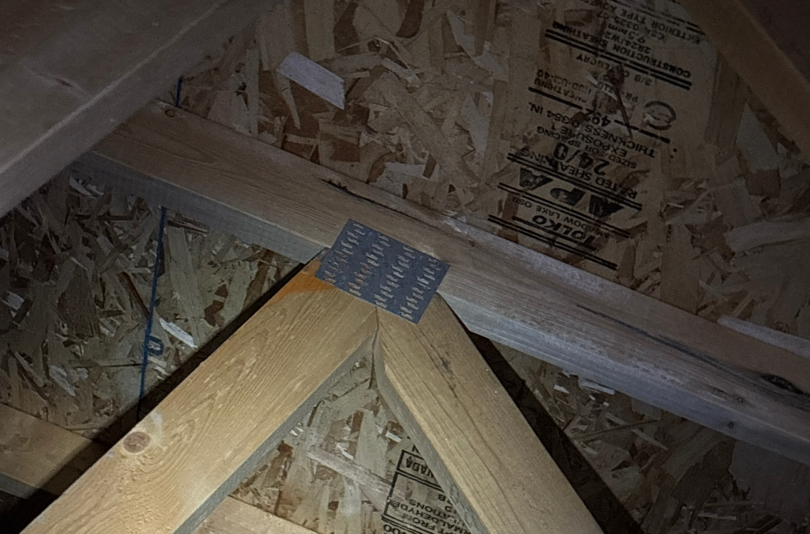
Roof Sheathing OSB
The thin boards of wood that span the trusses and support the rest of the roof. 3/8ths
|
|
|
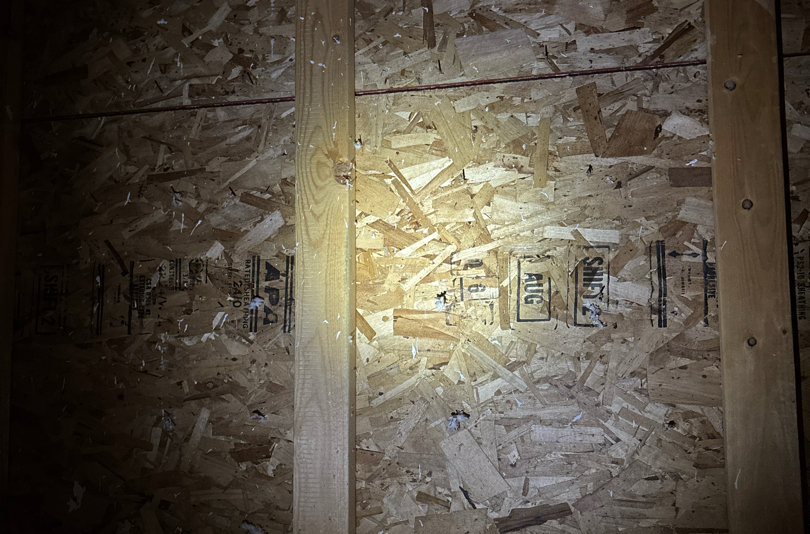
Attic Sheathing
“Roof Sheathing” Here are the boards or sheets that bridge the trusses or rafters.
|
|
|
Attic Construction Overall
Designed to support the roof with rafters or trusses. For your records.
|
|
|
Attic Structural Health
High attic humidity usually shows up as dampness, rusty fasteners, or frost on the underside of the roof sheathing. Don’t rely on ventilation alone to take care of moisture in the attic. The best protection against condensation, mildew & rot is an air-tight ceiling. Make sure you keep that attic hatch latched for good compression between the hatch & the weatherstripping.
|
|
| T BACK TO SUMMARY |
|
|
|

|
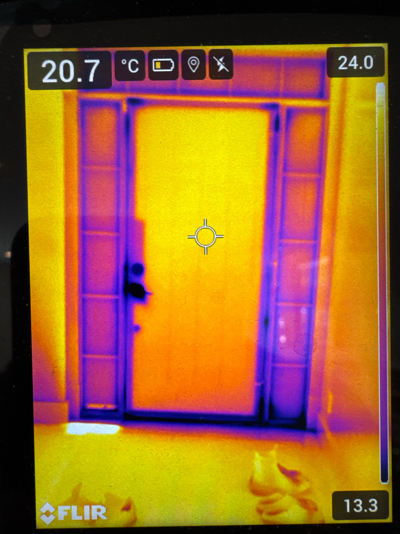
Thermal Front Door
Scanned for irregularities, air leaks & consistency.
Front Door
Keeping a good seal is essential to maintaining the energy efficiency of your home.
|
|
|
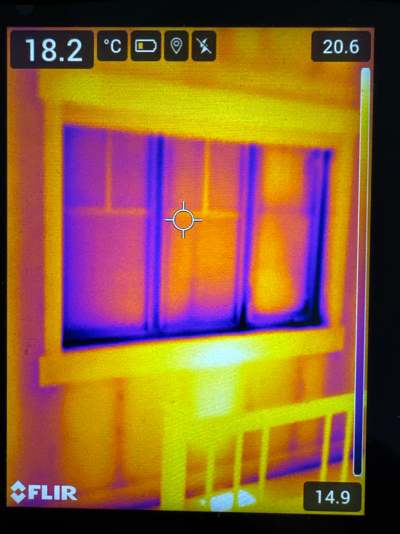
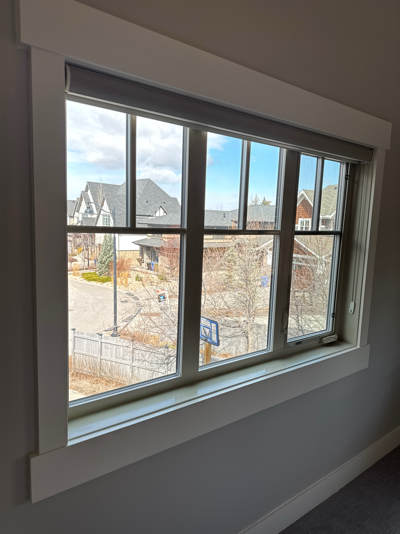
Thermal Windows
Scanned for irregularities, air leaks & other moisture-prone areas.
Interior Window
Opening your blinds can expose the surface of windows to circulating air which will help keep the condensation away!!
|
|

|
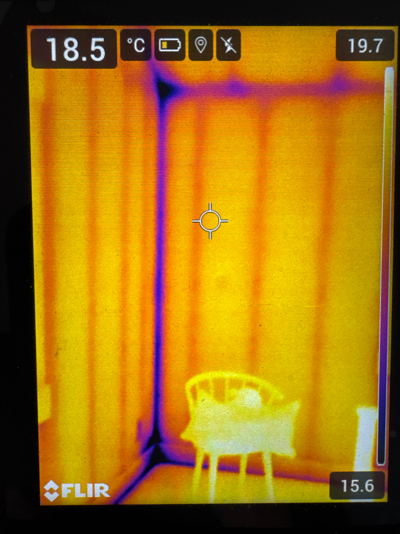
Thermal Walls
As seen from the inside. All walls & ceilings were scanned for irregularities.
Interior Wall
If these walls could talk. One of the best ways to see how a home has been built & maintained.
|
|
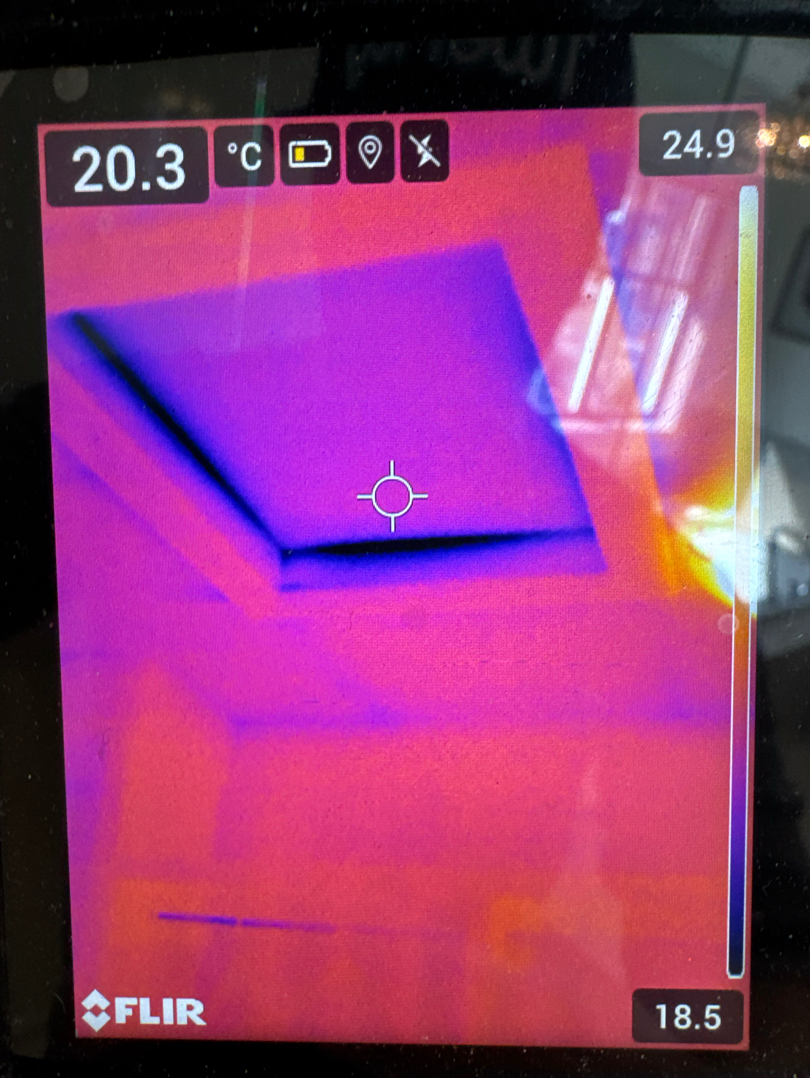
Thermal Attic Hatch
What we’re looking for throughout the entire thermal portion of this inspection: missing, damaged, or inadequate insulation, building envelope air leaks, moisture intrusion, & sometimes we can even see substandard workmanship behind the walls. This tech works really well when something is WET, or there is a strong variance in temperature, but when it’s dry ( like an old water stain ) it will simply blend in with everything else.
|
|
|
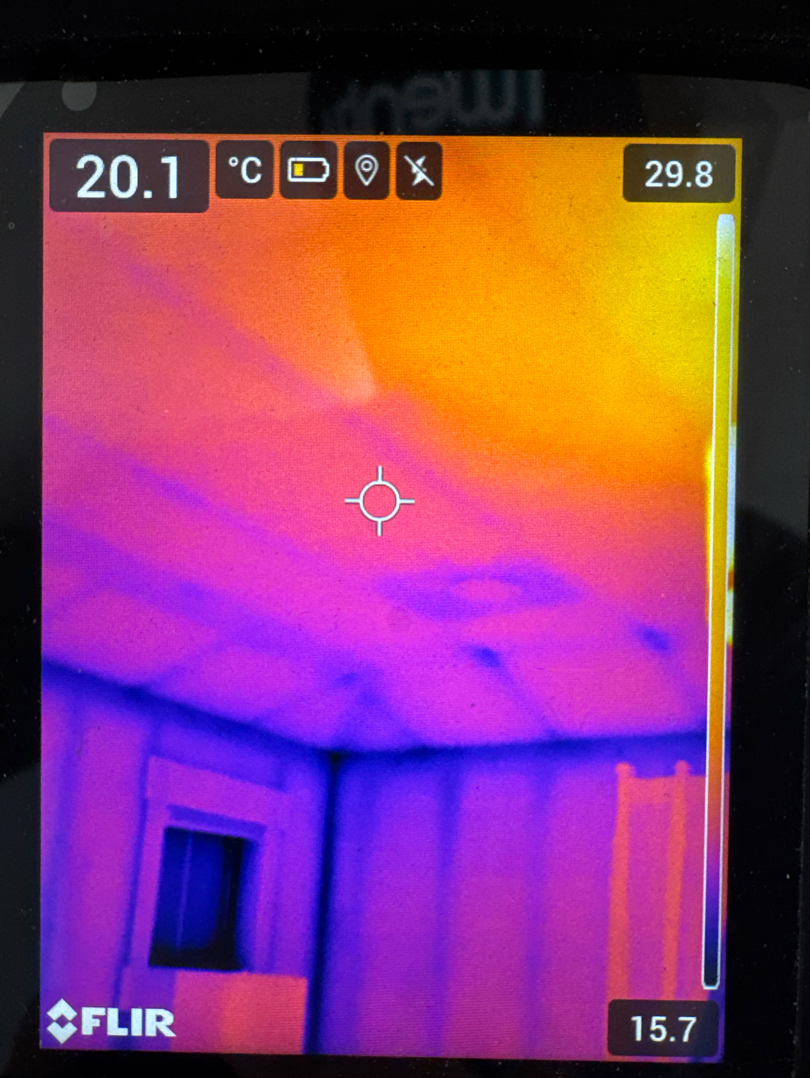
Thermal Ceiling
We look up, down & all around. Doors, windows, or any penetration in the skeleton of your home is where we usually find the largest temperature variance. This is why it’s best to be a stickler about cleaning & replacing your weather stripping every couple of years. In the ceiling, we typically find colder areas around the utility penetrations. For example, at speakers, electrical boxes, pot lights, & more…
|
|
|
|
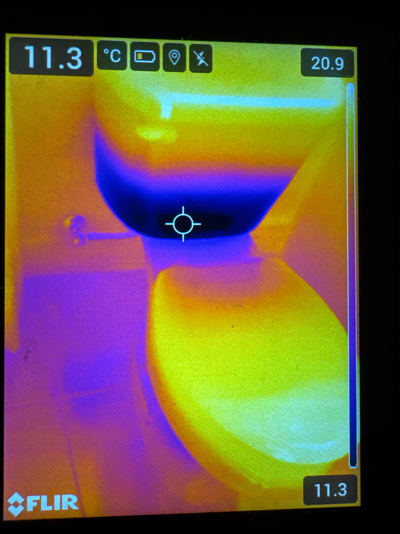
Thermal Toilet
Scanned for leaks at the base, tank & shut-off valve.
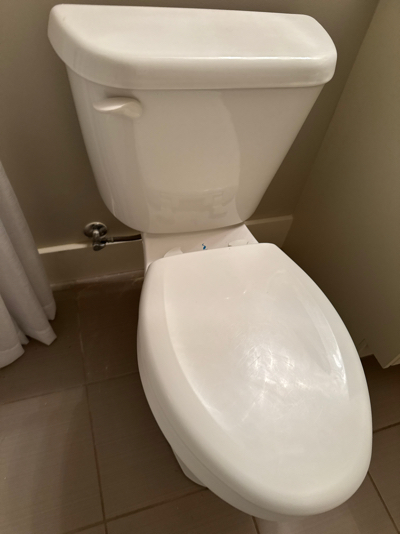
Toilet
Inspected for deficiencies using normal operating procedures.
|
|
|
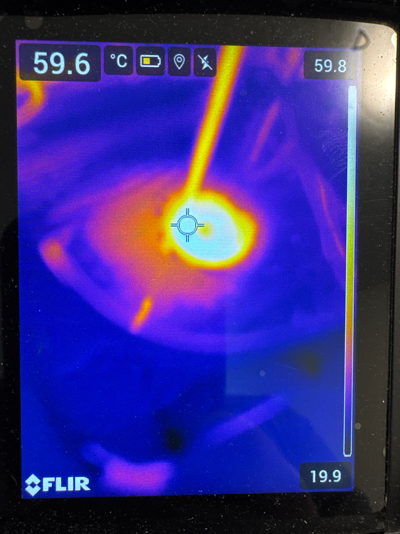
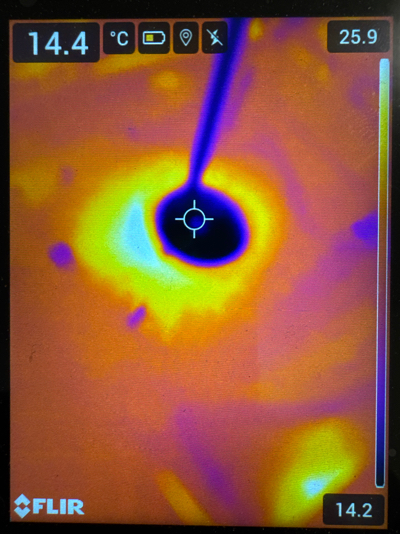
Hot Water Thermal
We always thoroughly run ALL plumbing fixtures & check for temperature variance.
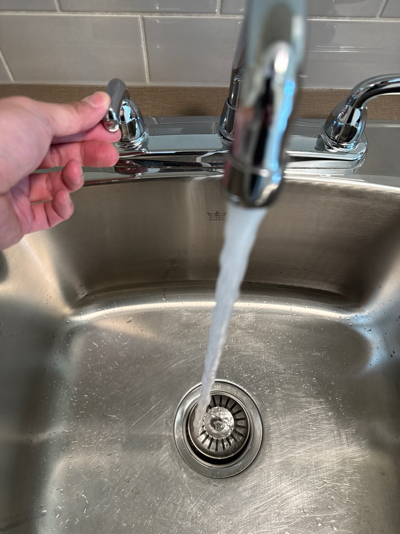
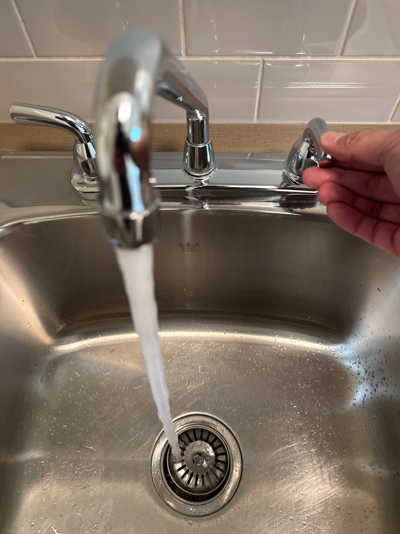
Hot Water Tap
Visually examined for common defects.
|
|
|
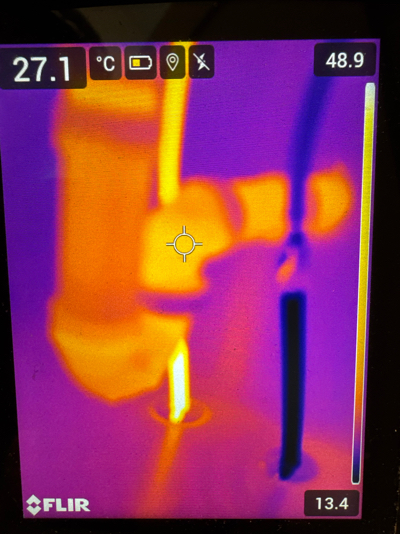
Cold Water Thermal
See photo
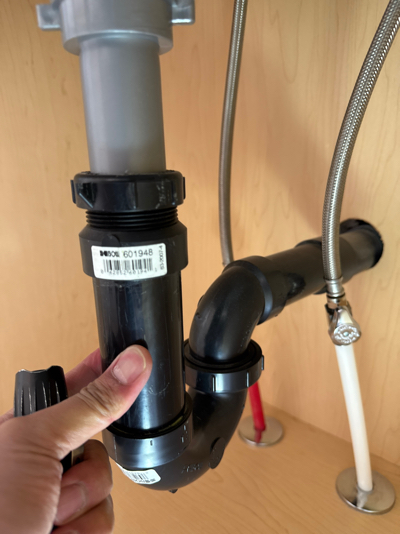
Cold Water Tap
Inspected for deficiencies using normal operating procedures.
|
|
|
Thermal P-Trap
Scanned for leaks or the presence of moisture.
P-Trap
Preventing smelly gases since the year 1775! These TRAP water at the "P" creating a seal.
|
|
|
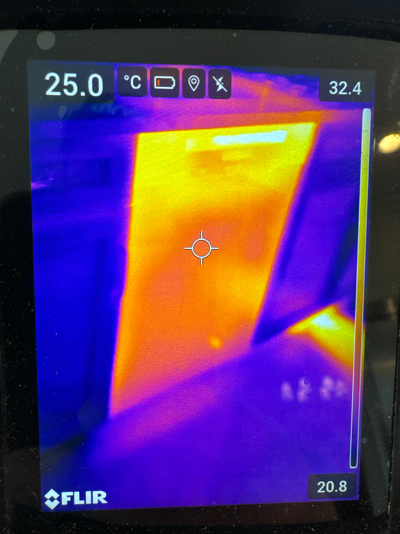
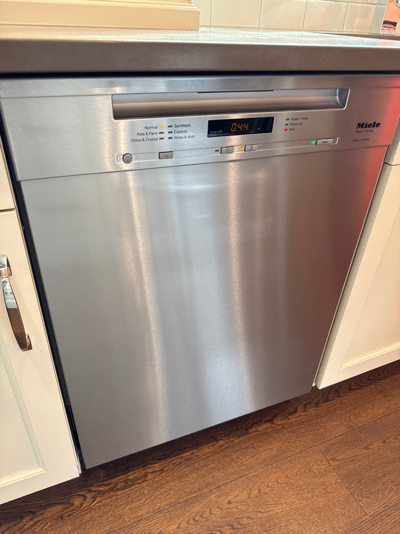
Thermal Dishwasher
A representative # of potential leak points were thermally examined today.
Dishwasher
See the Kitchen section for a description of this component.
|

|
|
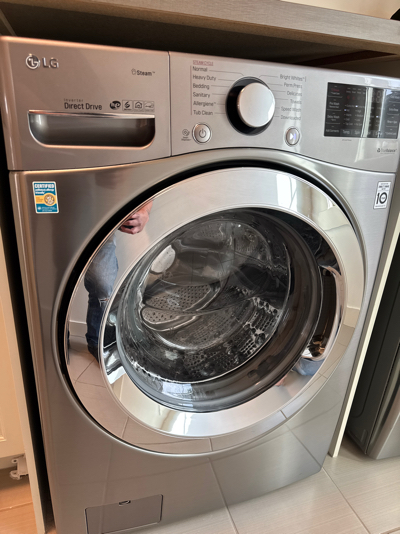
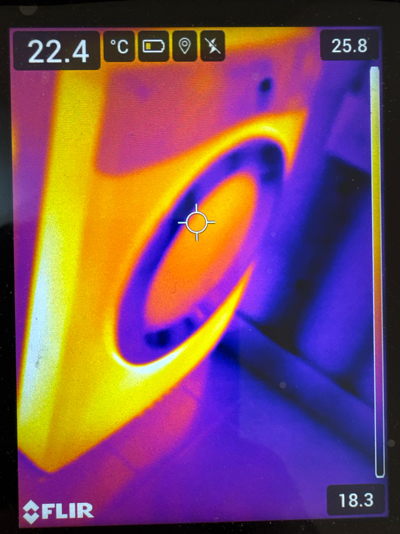
Thermal Laundry Washer
Scanned for proof of operation & the presence of moisture.
Laundry Washer
The most memorable days end with the dirtiest clothes!
|
|

|
Thermal Laundry Dryer
Scanned to make sure it’s heating up!
Laundry Dryer
Removes moisture from a load of clothing, bedding & other textiles.
|
|
|
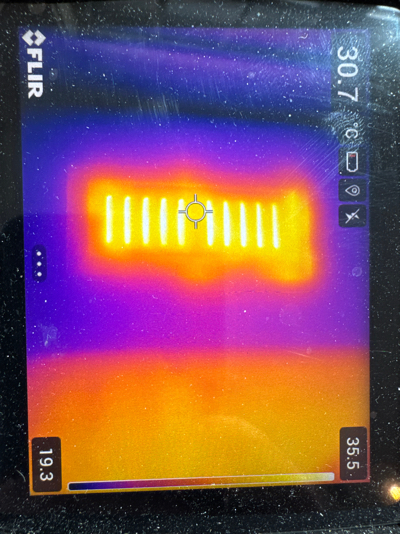
Thermal Heat Supply
Thermal was used to inspect for temperature & to demonstrate air flow.
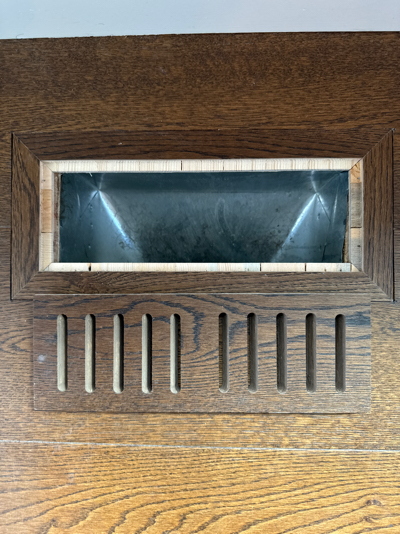
Heat Supply
Visually examined for common defects.
|

|
*Thermal Tech*
All objects emit infrared energy, known as a heat signature. An infrared camera (also known as a thermal imager) detects & measures the infrared energy of objects. The camera converts that infrared data into an electronic image that shows the apparent surface temperature of the object being measured.An infrared camera contains an optical system that focuses infrared energy onto a special detector chip (sensor array) with thousands of detector pixels arranged in a grid. Each pixel in the sensor array reacts to the infrared energy focused on it & produces an electronic signal. The camera processor takes the signal from each pixel & applies a mathematical calculation to it to create a color map of the apparent temperature of the object. Each temperature value is assigned a different color. The resulting matrix of colors is sent to memory & to the camera's display as a temperature picture (thermal image) of that object. |
|
| H BACK TO SUMMARY |
|
|
|
|
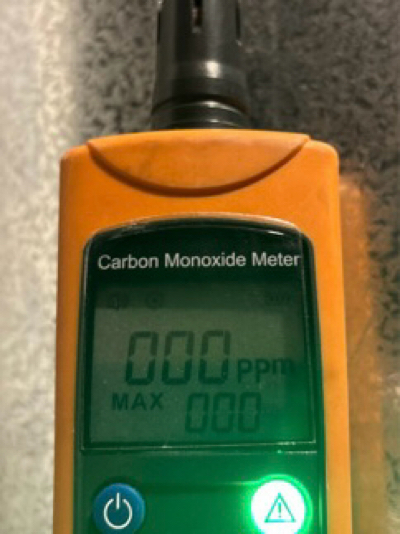
Carbon Monoxide Test x6
Spot checked in suspect areas & used to detect colorless, odorless, & tasteless gas.
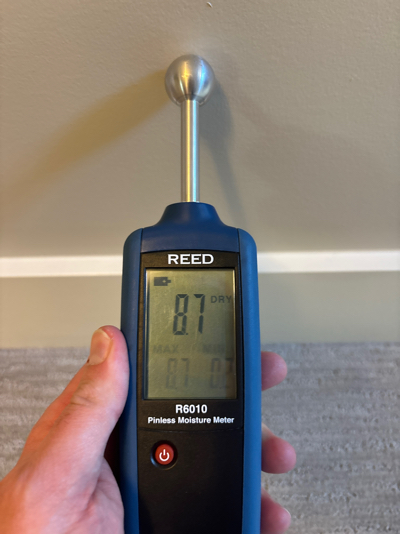
Moisture Test x 12
Used to measure the percentage of water in a given product. Spot checked throughout—especially the usual suspects.
|

|
|
|

|
*Health & Safety*
If there's one place you should always feel safe, it's your home. It's your castle... a place of refuge, privacy, & security.Here are a few tips to help: - Consider changing locks for all doors & making sure they work for all windows. - Store matches, lighters, medications, household cleaners, & other toxic substances in a safe place. Make sure they are clearly labeled & in their original containers. - Store firearms & ammunition separately & under lock & key. - Use light timers so your child doesn't come home to a dark house. - Fire Safety: you must have a smoke alarm on each level of the house (or for homes on one level, near the kitchen & all bedrooms). Test them to make sure they all work. - Replace any broken electrical cords & use no more than two plugs per outlet. - Keep your water heater below 60 C to prevent scalding. - First Aid: Assemble a basic kit - Power Outages: Keep a flashlight or two (& extra batteries) handy. |
|
| I BACK TO SUMMARY |
|
|
|
|
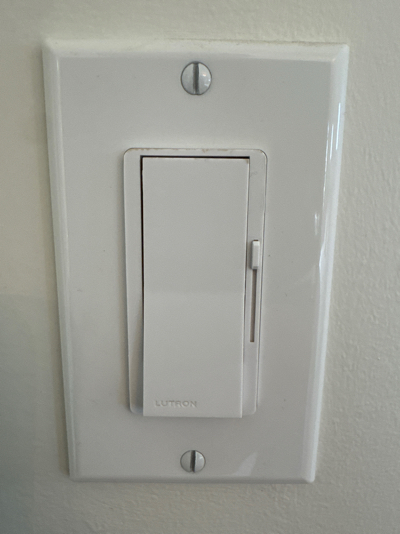
Switches
A select number of outlets (outlet tester) & switches were tested for function.
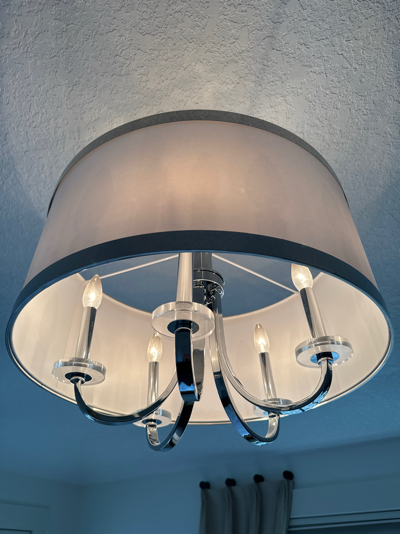
Interior Lights
We disco these ON & OFF more than a few times to try to catch a problem.
|
|
|
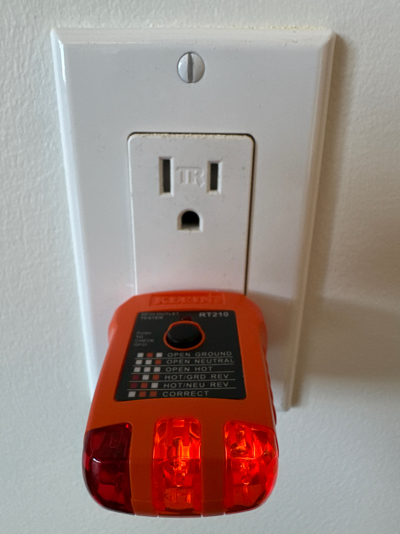
Outlets
Provide electricity after plugging in your device. Tested for faults.
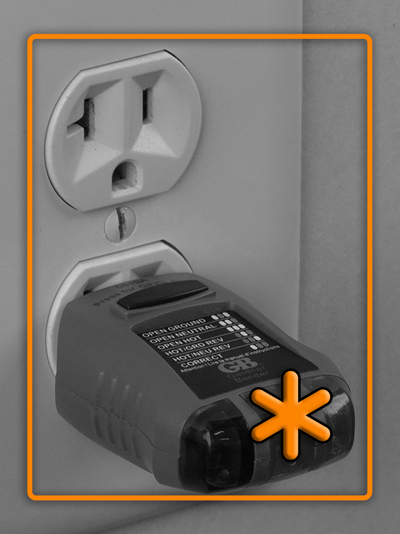
Plug Tester.
Used to confirm if an outlet or plug is wired correctly. Only visible outlets were tested.
|
|

|
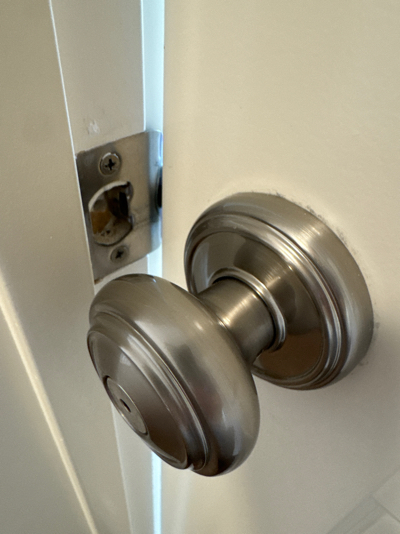
Door Knob
Snug up door knobs/handles, towel bars, toilet paper holders & door stops. A yearly routine will help keep it ship shape!
Door Hinges
Don’t forget about this hard-working component…Tap the pins down & snug up the screws from time to time.
|
|
|
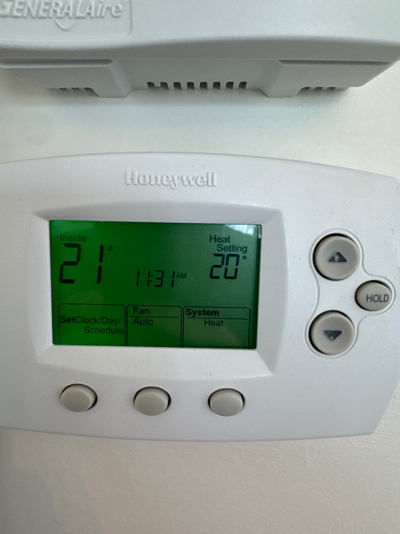
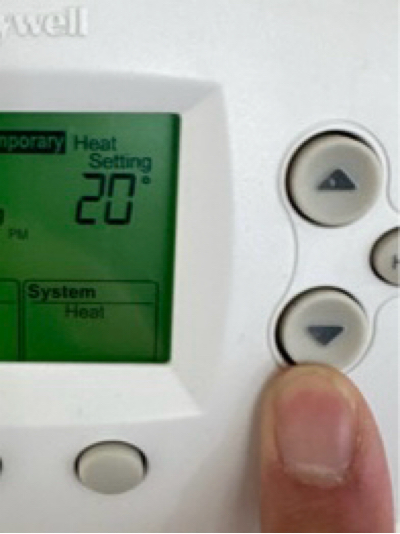
Thermostat
Charged with the regulation of the temperature. The location & placement makes a huge difference in its readings.
Thermostat AFTER
This is just for our records showing we set it back to its original state.
|

|
|
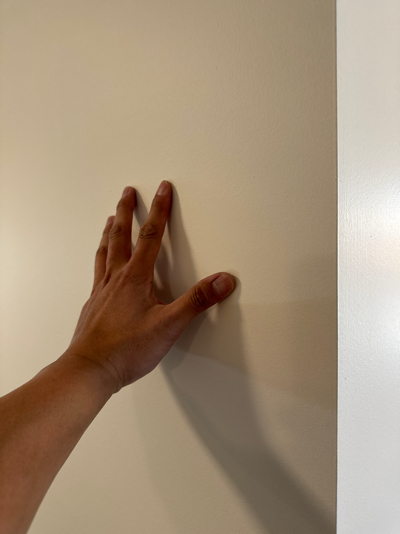
Flooring
We’re not here for flooring inspections, but we keep an eye out for significant issues.
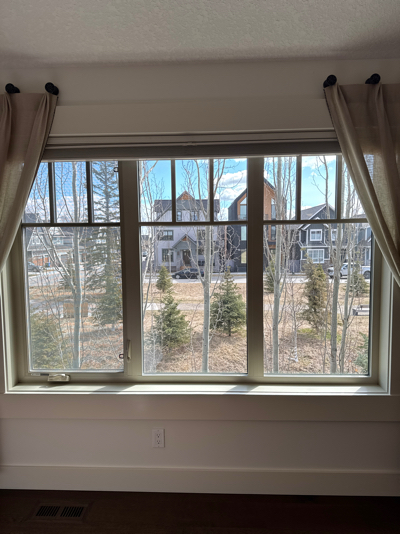
Interior Wall
If these walls could talk. One of the best ways to see how a home has been built & maintained.
|
|
|
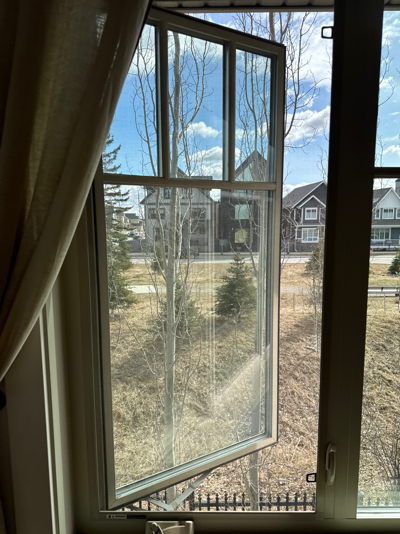
Interior Window
Opening your blinds can expose the surface of windows to circulating air which will help keep the condensation away!!
Open Window
A representative # of doors & windows were checked for operation & blown seals.
|
|
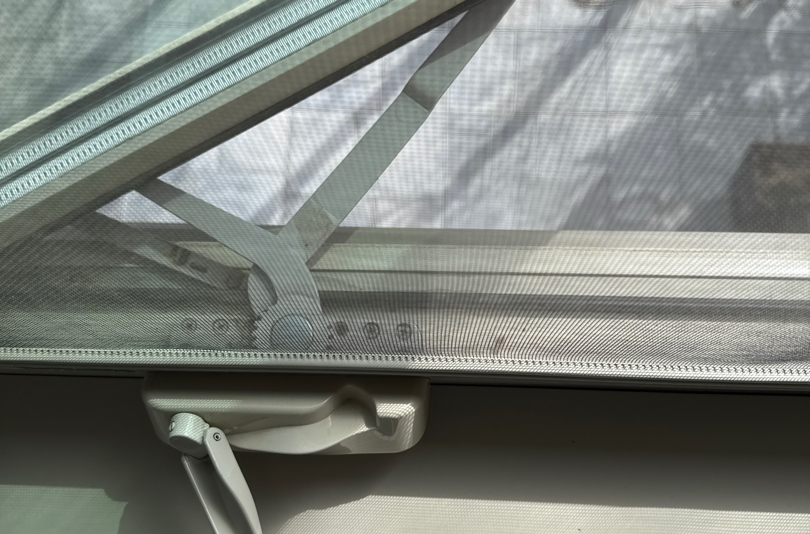
Window Track
These hold the window in place. A yearly routine should be made to keep them clean & free of debris. In most homes, these are usually quite gummed up.
|
|
|
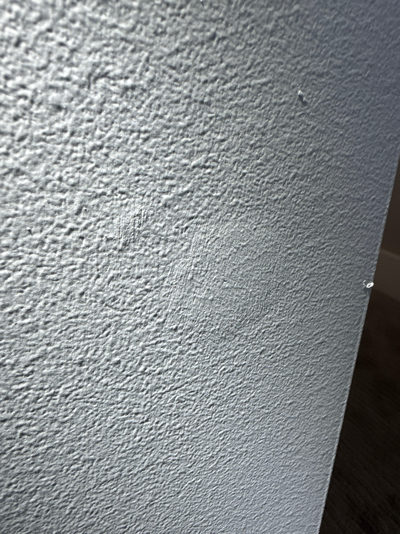
|
Let’s call these Interior Superficial
For your records.
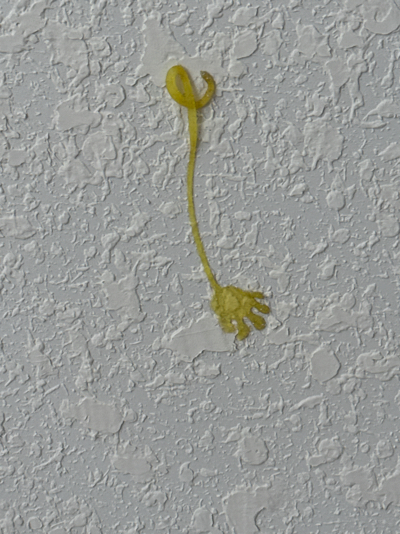
Interior Superficial 2
See photo.
|
|
|
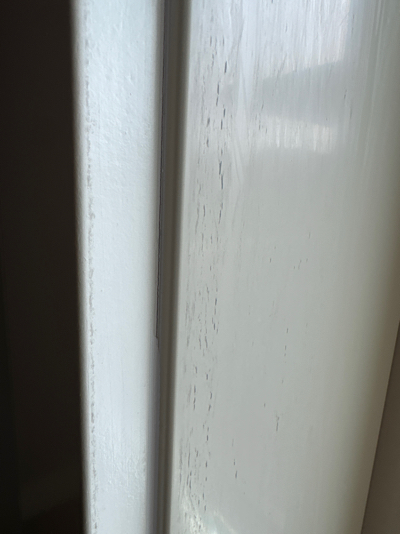
Interior Superficial 3
See photo.
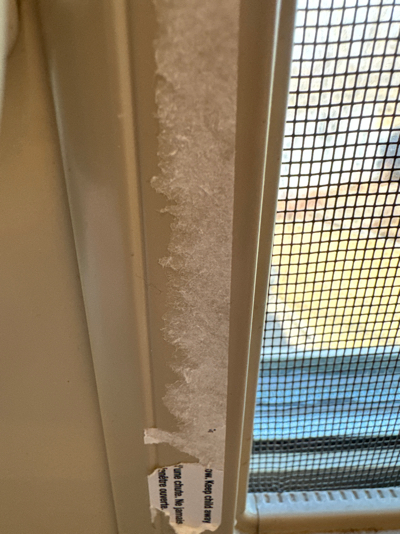
Interior Superficial 4
See photo.
|

|
|
Interior Superficial 5
See photo.
Interior Superficial 6
See photo.
|

|
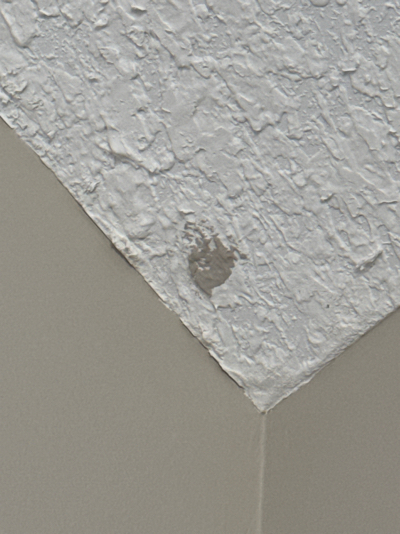
Superficial Conclusion.
At some point in a drywall's life, it's likely to get a few scratches or possibly cracks & holes. While damaged drywall is unsightly, many types of damage can be easily fixed with a little DIY work.
|
|

|
|
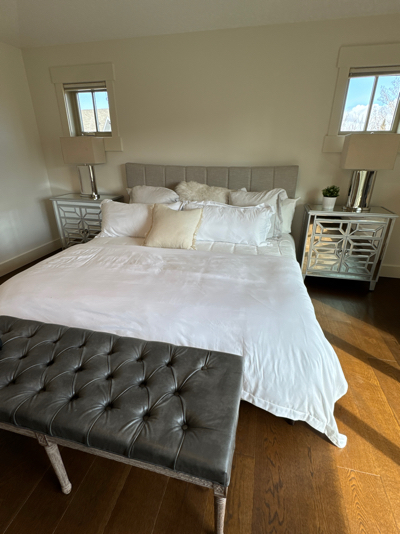
Obstructions & Limitations
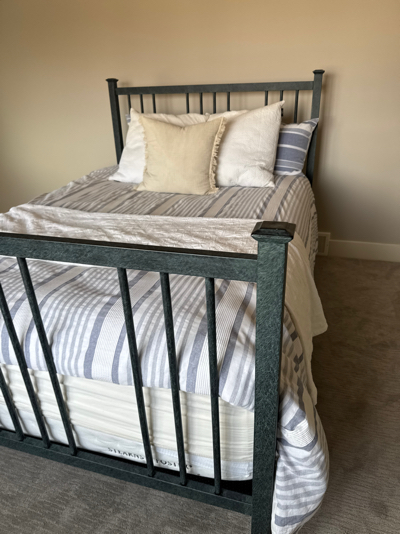
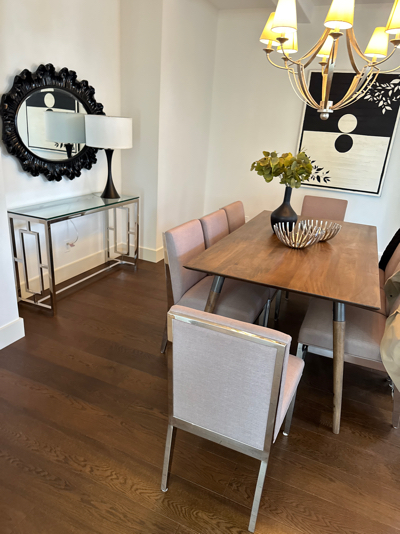
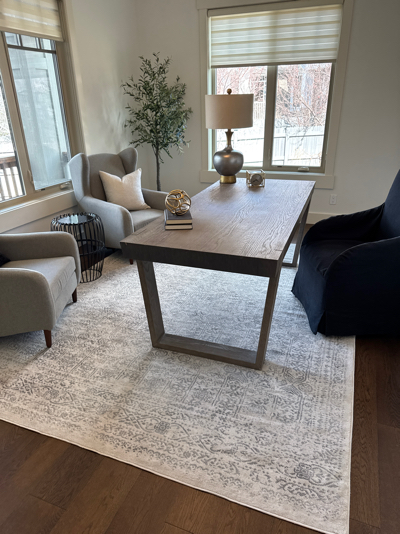
These aren’t all the obstructions—but they reflect the kind of access limitations we encountered on-site.
Additional Obstructions
|
|

|
Additional Obstructions
Additional Obstructions
|

|
|
Additional Obstructions
Additional Obstructions
|
|
|
Additional Obstructions
Additional Obstructions
|
|
|
|
This page
One space. Captured clearly — so you know what’s there and its exact condition this day.
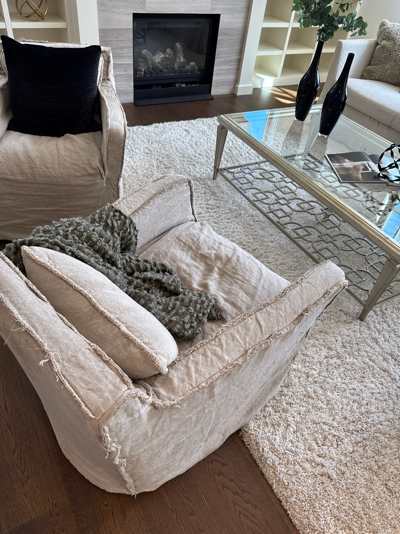
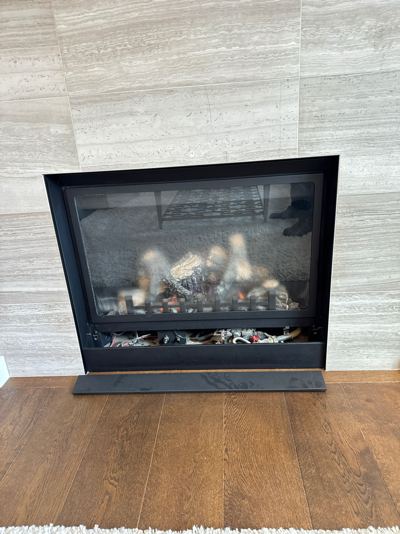
Fireplace
How lazy was the guy who came up with the name for "Fireplace?"
|
|
|
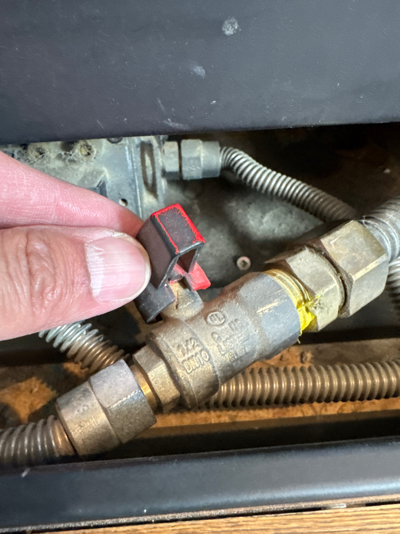
Fireplace Gas Valve
For your records. This was in the off setting at inspection. Turned on for testing and placed back in the off position when done.
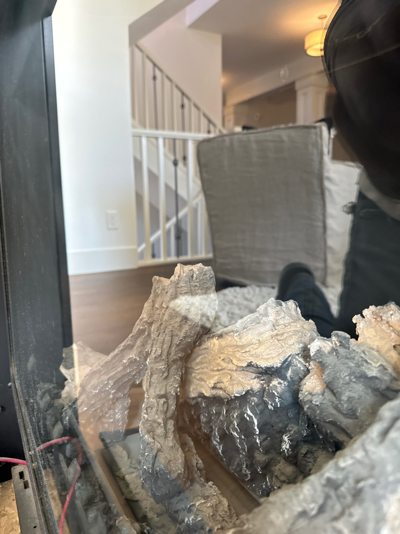
Fireplace Glass
Sometimes a pain to keep clean. Use only high heat fireplace glass cleaner (or like).
|
|
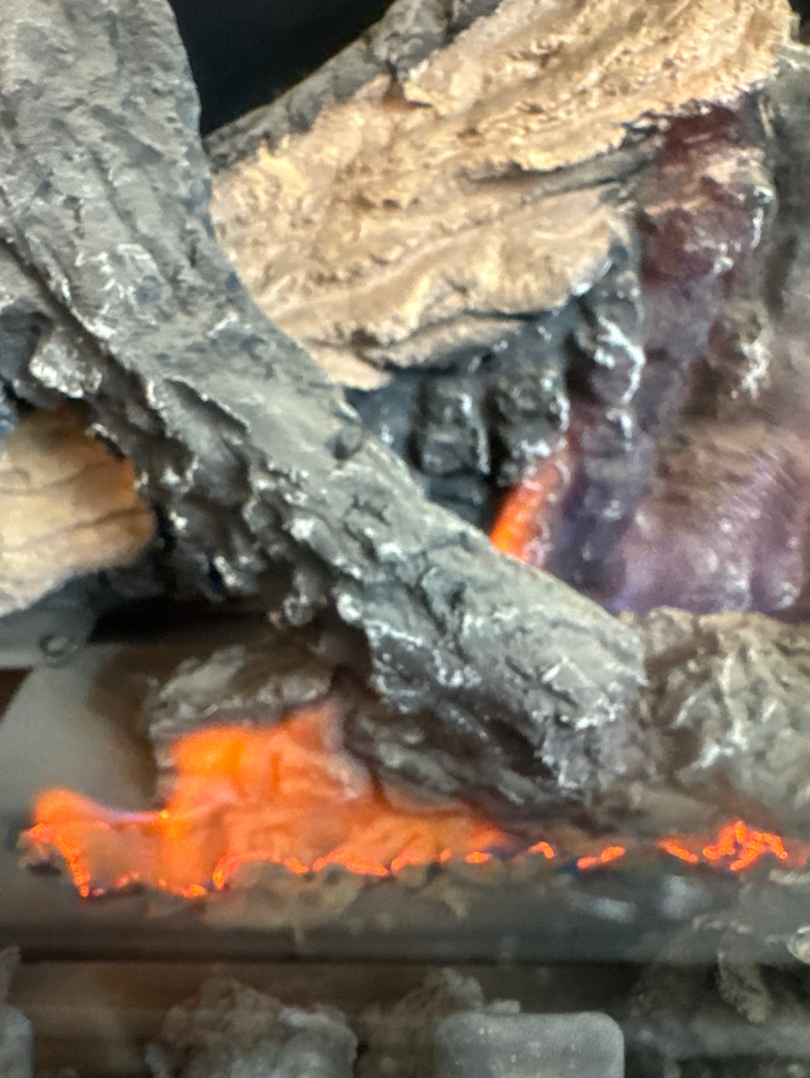
Fireplace Flame
A healthy natural gas flame will burn primarily blue with a little bit of orange. If the flame is bright orange or the glass has a haze/dark staining this might be a sign that your gas fireplace needs servicing which should be done by a qualified technician.
|
|
| K BACK TO SUMMARY |
|
|

|

|
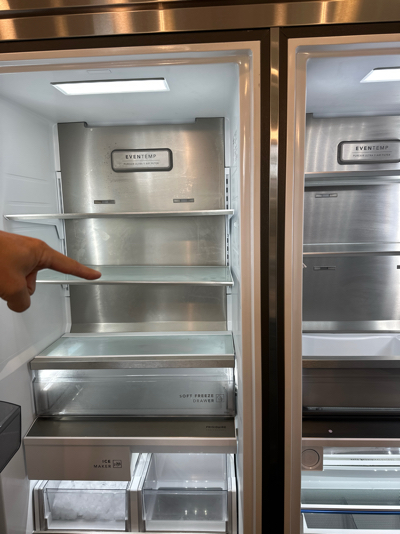
Kitchen Cabinets
A Place for your dishes. These can usually be leveled out by adjusting the hinge screws. Don't overdo it!
Cabinet Hinges
We recommend cabinet tune-ups for alignment & function as required. 1/4 turn at a time.
|
|
|
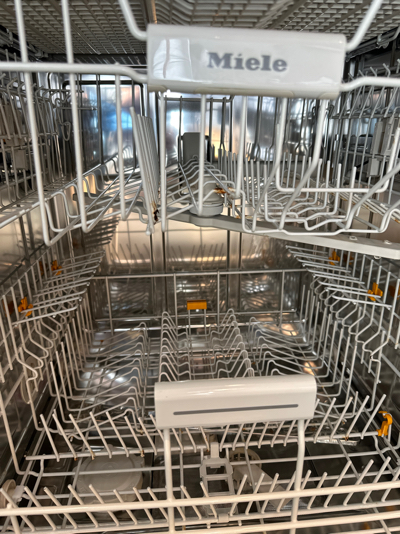
Dishwasher
Empty your plate first! Turned ON & OFF after a quick cycle.
|
|
|
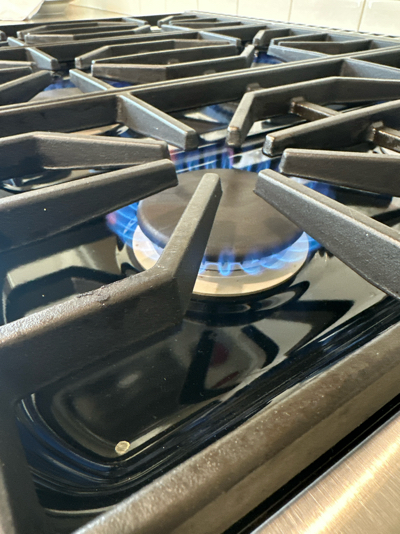
Stovetop
Checked for operation. Turned ON & OFF
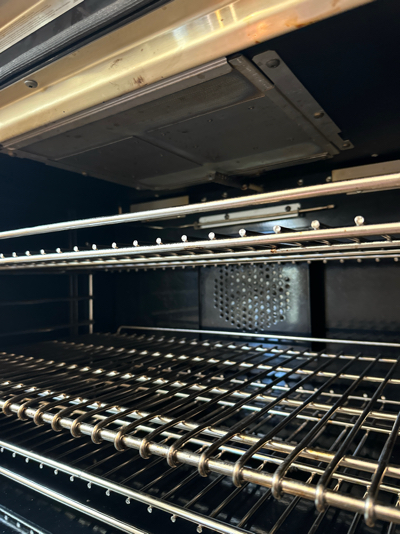
The Oven
Checked for operation. Turned ON & OFF
|
|
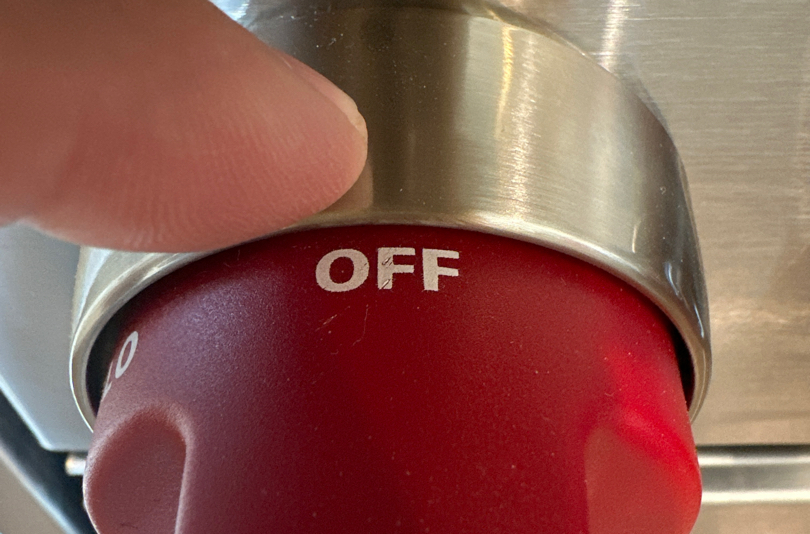
Stove • Oven Off
Turned ON & OFF after testing for functionality.
|
|
|
Dishwasher OFF
Turned ON & OFF after cycle. We usually leave it slightly ajar to ventilate. This is really for our records.
|
|

|
Microwave
Nuke It! Be sure to ask for documentation/manuals on all appliances.
|
|
|
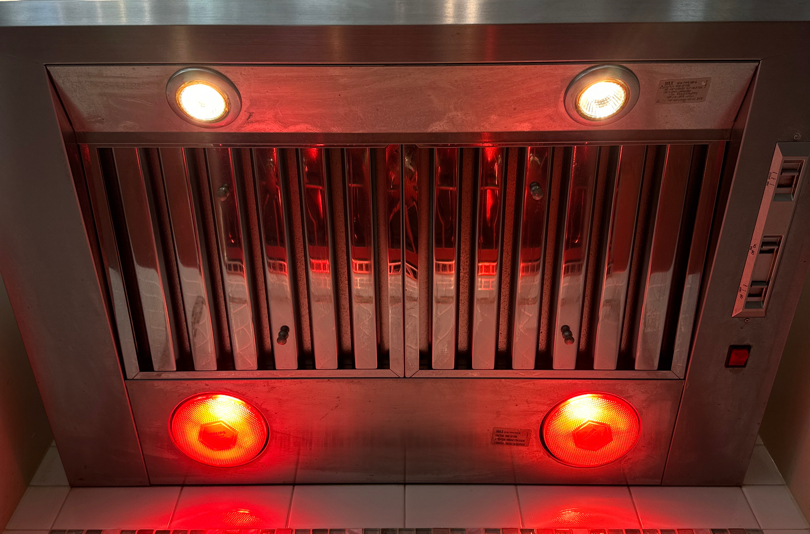
The Hood Fan - OTR
A range hood helps keep the air in your kitchen clean. These appliances come in several different models, some more effective than others. It is recommended to clean a kitchen hood system once every six months, depending on usage.
|
|
|
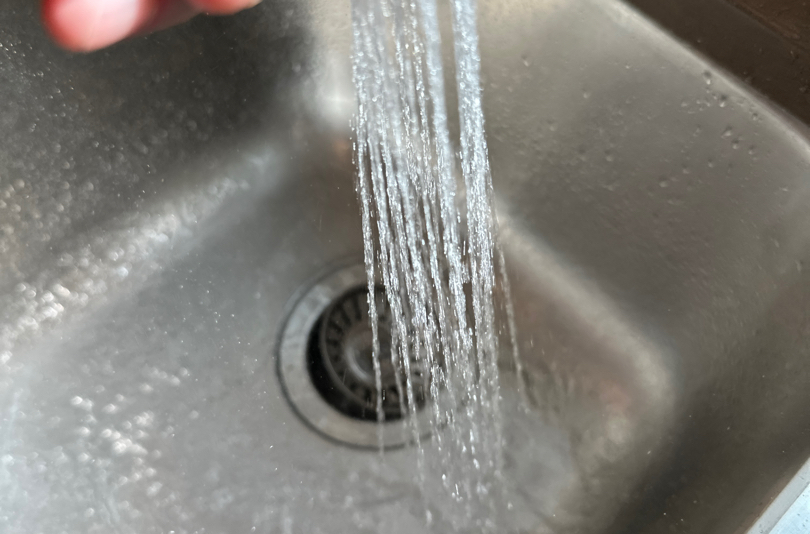
The Kitchen Sink
Sink & P-traps inspected for leaks & “snugness." Often times chemicals & other cleaners can break down seals, so please consider using only natural products when cleaning.
|
|

|
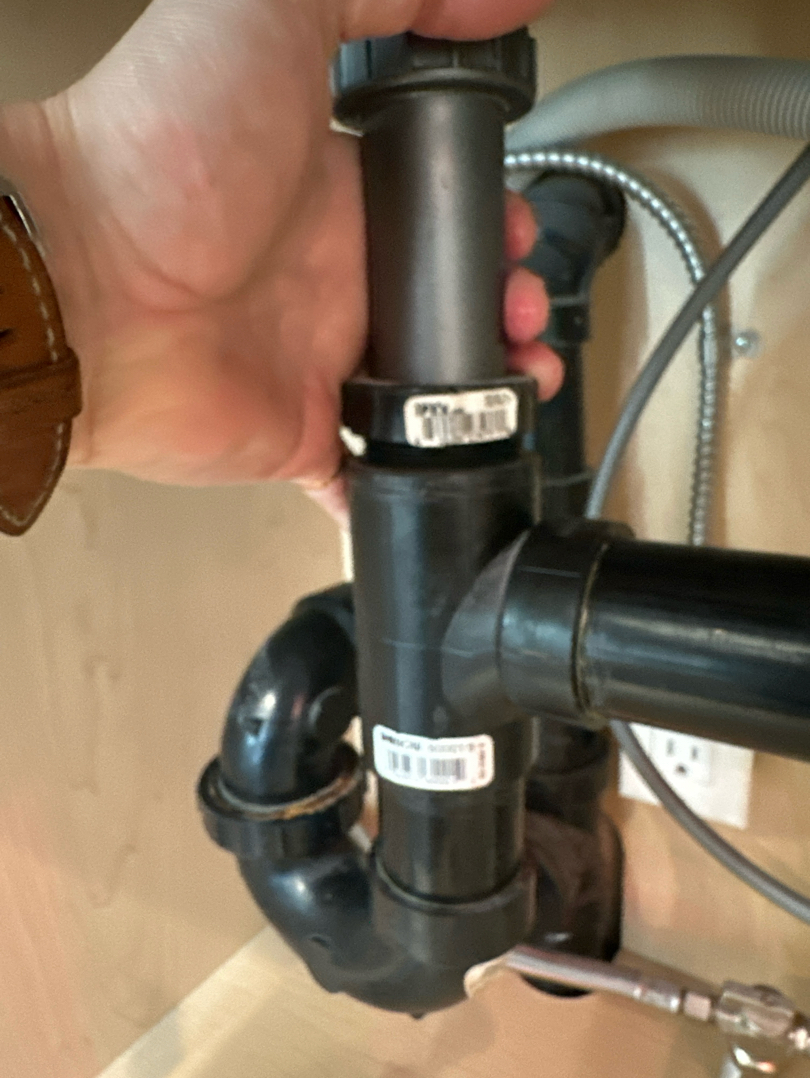
Kitchen Drain Basket
The removable part that plugs the drain. The strainer catches large chunks to prevent clogs. The basket flange goes on the inside of the sink & the rubber gasket, pressure cup & nut are under the sink.
|
|
|
Kitchen P-Trap
P-traps are part of your sink plumbing. Found under kitchen & bathroom sinks, these question-mark-shaped plumbing pieces serve an important purpose… What Does a Plumbing P-Trap Do? a. Trap debris & prevent clogs b. Protect against property losses c. Stop sewer gases from infiltrating your home All Traps were physically touched for the presence of moisture & stability.
|
|
| L BACK TO SUMMARY |
|
|
|
|
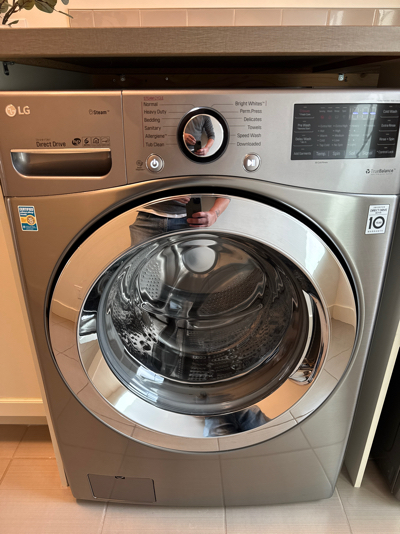
Laundry Washer
Run for a quick cycle & turned OFF. Sometimes we leave the lid ajar to ventilate.
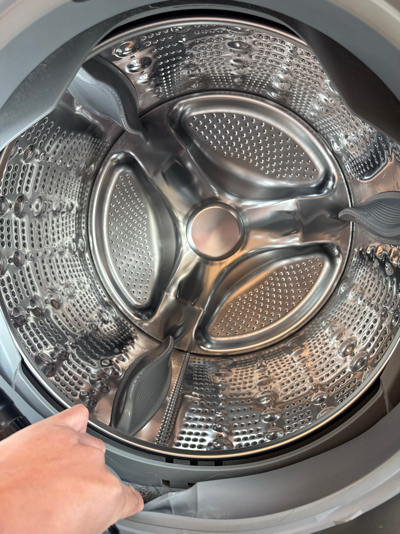
Inside The Washer
Even though it’s constantly washing, this will need a thorough clean every now & then.
|
|
|
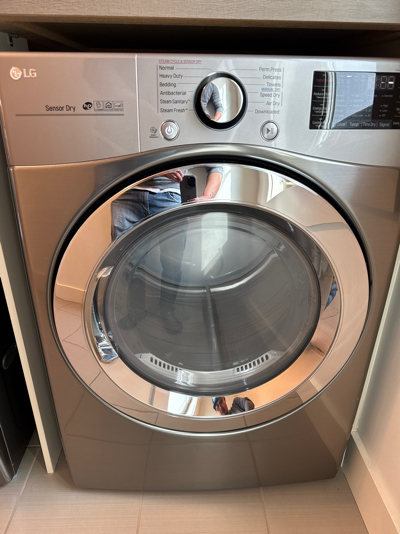
Laundry Dryer
Run for a quick cycle.
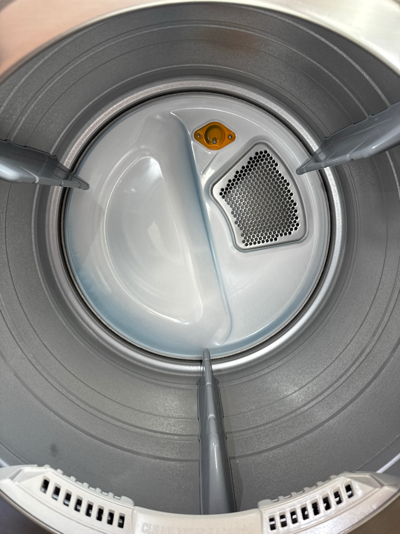
Inside The Dryer
This will also need a cleaning every once in a while. Remember to change the lint filter.
|
|

|
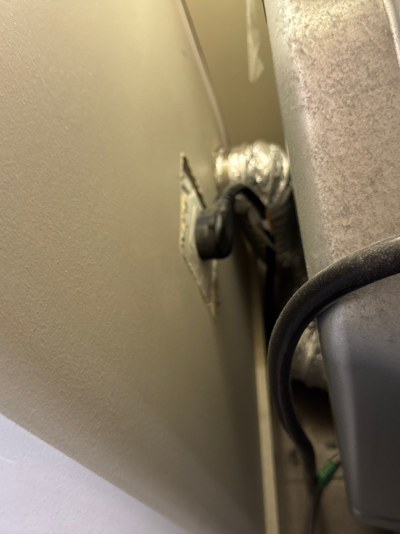
Laundry Exhaust Line
These guys sometimes become detached. Have a peek every now & then.
Dryer Lint Trap
Lint-filled air passes through a removable wire mesh as it exits the machine to the dryer vent.
|
|
|
|
This page (Laundry Sink)
One space. Captured clearly — so you know what’s there and its exact condition this day.
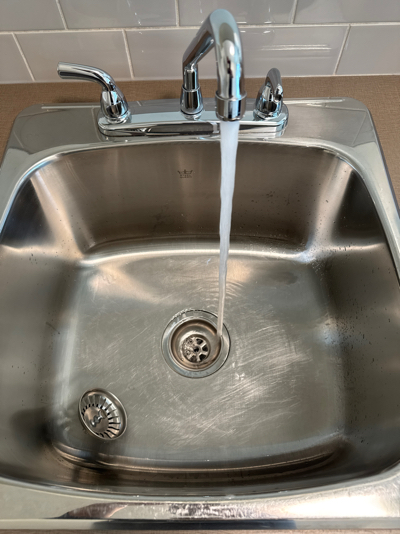
Laundry Sink
Rugged, large-capacity basin used primarily for cleaning or soaking.
|
|
|
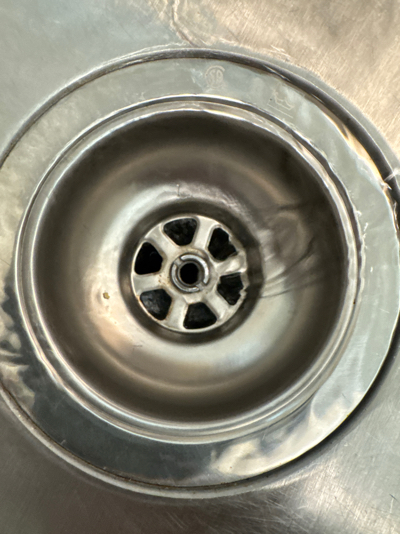
Sink Drain(s)
Inspected for deficiencies using normal operating procedures.
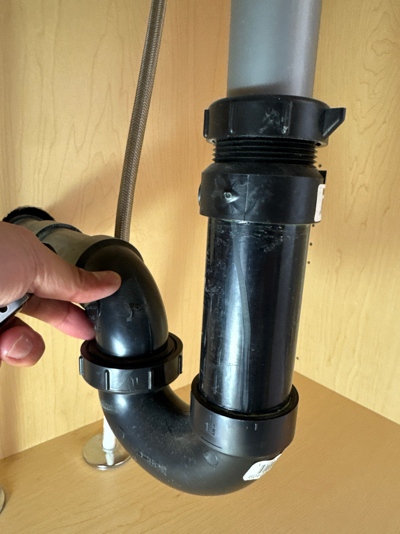
Laundry P-Trap
A U-shaped pipe under the sink that traps debris & stops sewer gases from passing into the home.
|
|
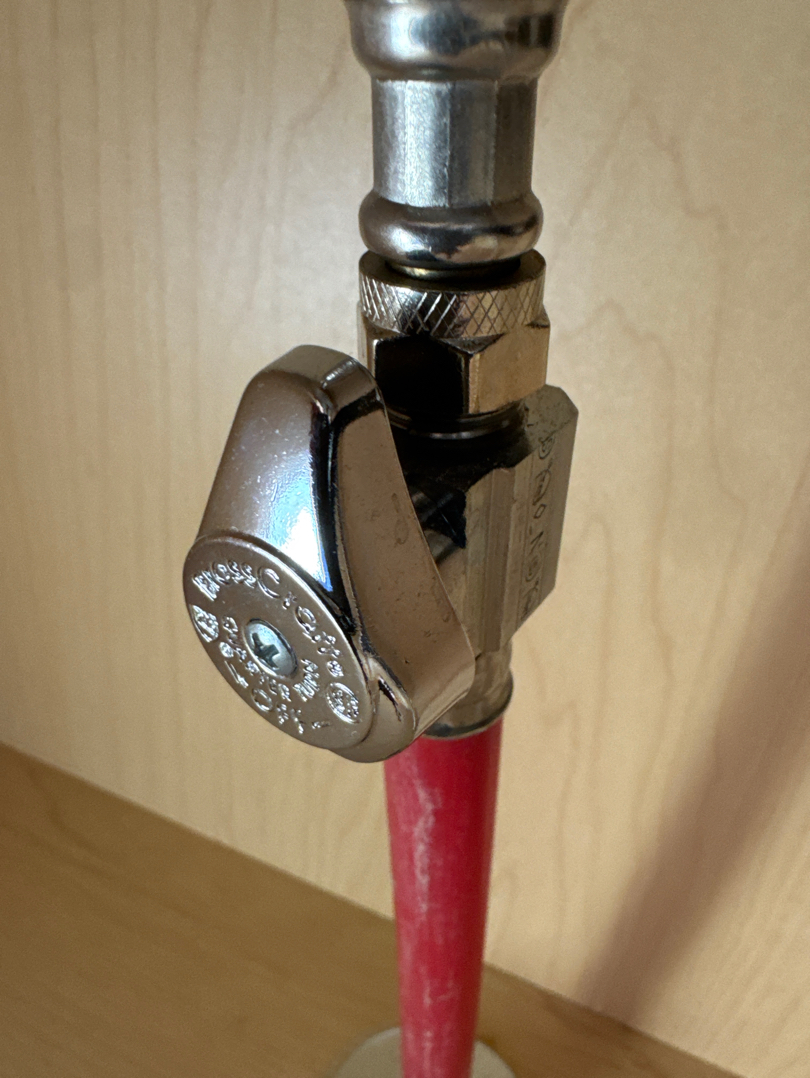
Plumbing Shut-Offs
For your records. Please consider installing leak smart tech under sunks and other water sources.
|
|
| B BACK TO SUMMARY |
|
|
|
|
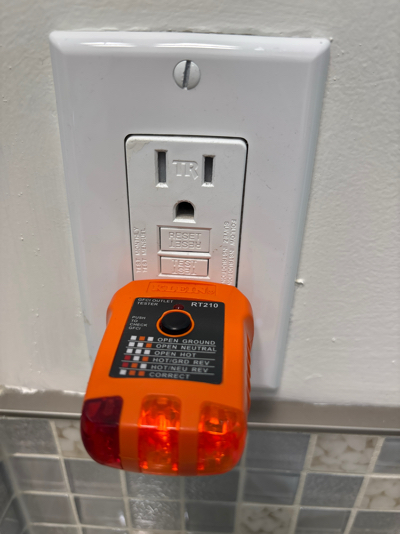
The Bathroom GFCI
This device shuts off an electric power circuit when it detects a current flowing along an unintended path.
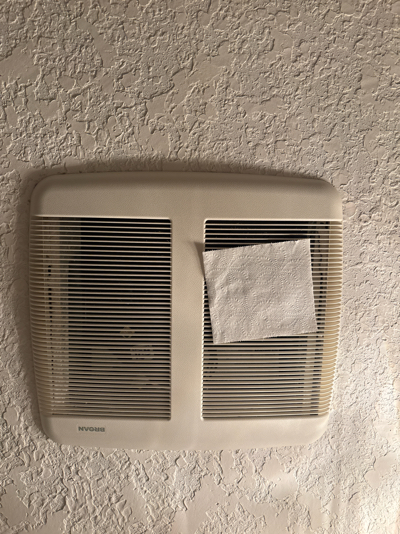
Toilet Paper Test
Bathroom fans should run 30 minutes after every use. Timed switches make this easy not to forget.
|

|
|
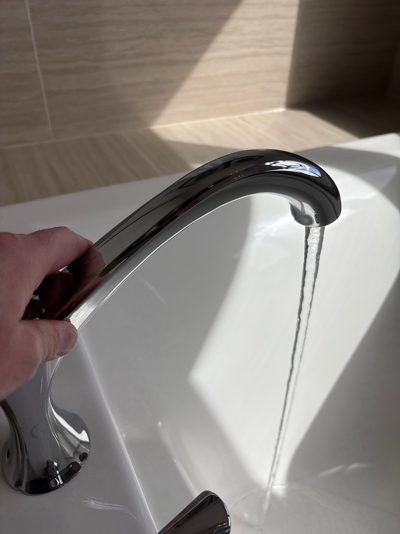
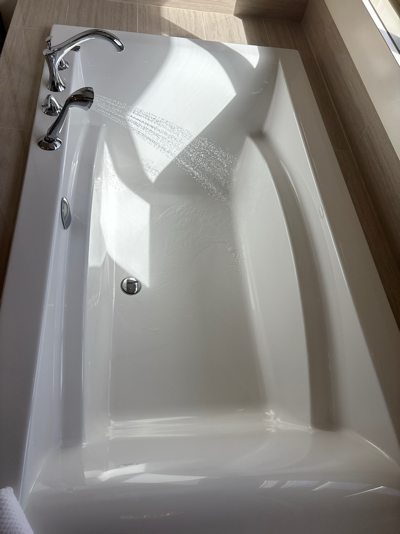
The Tub Filler
Routinely clean all nozzles & aerators. ALL water sources tested HOT & COLD
|
|
|
The Tub
All lavatory components were operated & visually inspected for leaks, caulk depletion & other visual defects.
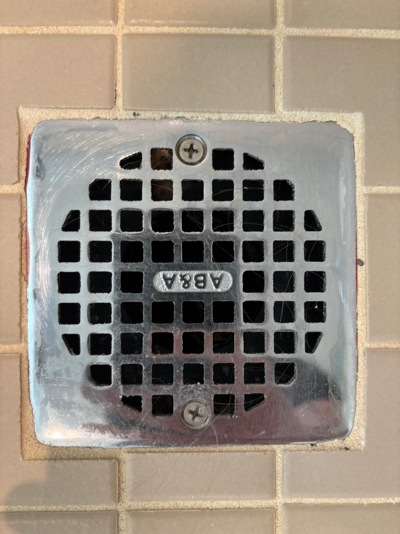
The Hair Catcher
When hair accumulates in your lines, it can create nasty clumps that slow your drains down drastically.
|
|

|
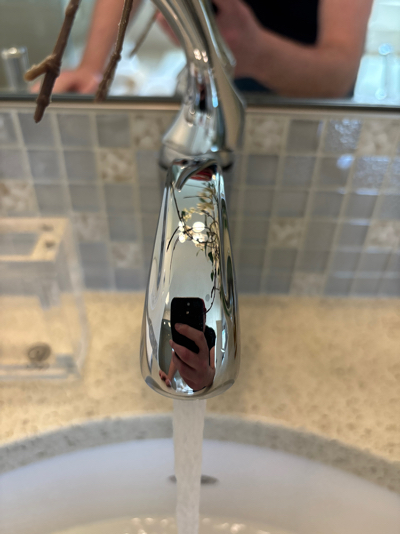
Bathroom Faucet(s)
Faucets, tub fillers & shower heads were fully tested & run for a significant amount of time.
|

|
|
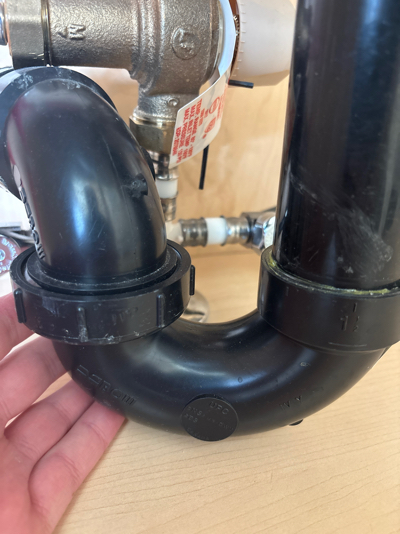
Bathroom P-Trap
Built to keep the gases from entering back into your home. Examined for leaks & lightly touched for snugness.
|
|
|
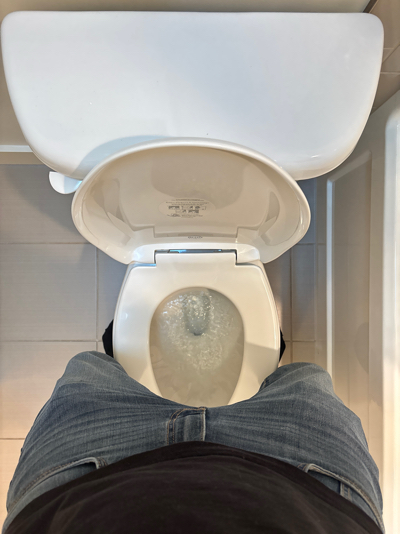
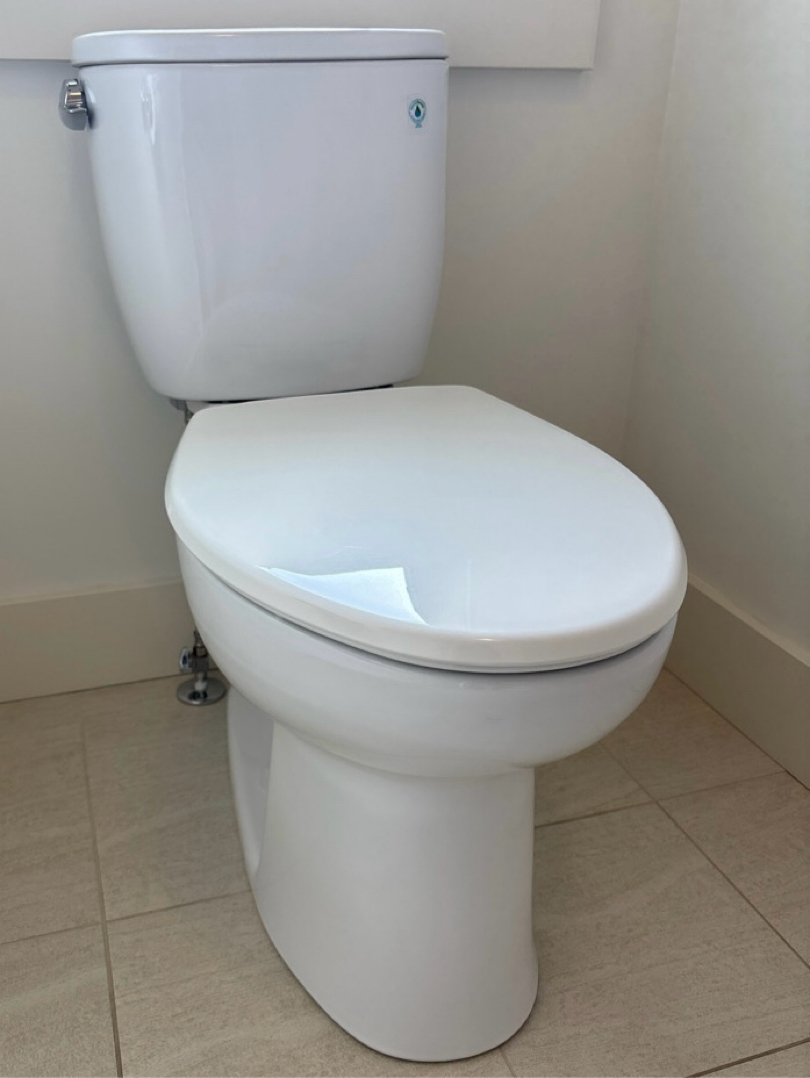
Toilet
The Loo. Toilets & tanks were checked for stability & flush tested 3X.
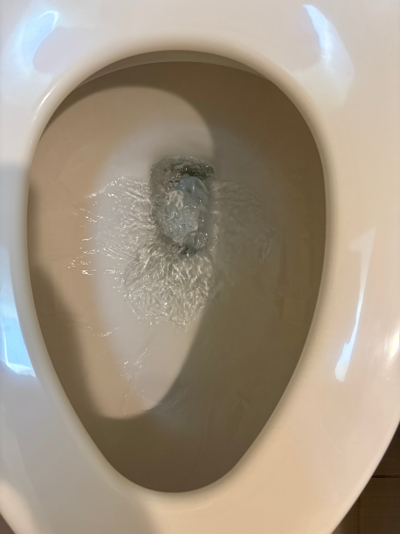
Toilet Flushing
Flush it away. Please check operation again on your next visit or at possession.
|
|
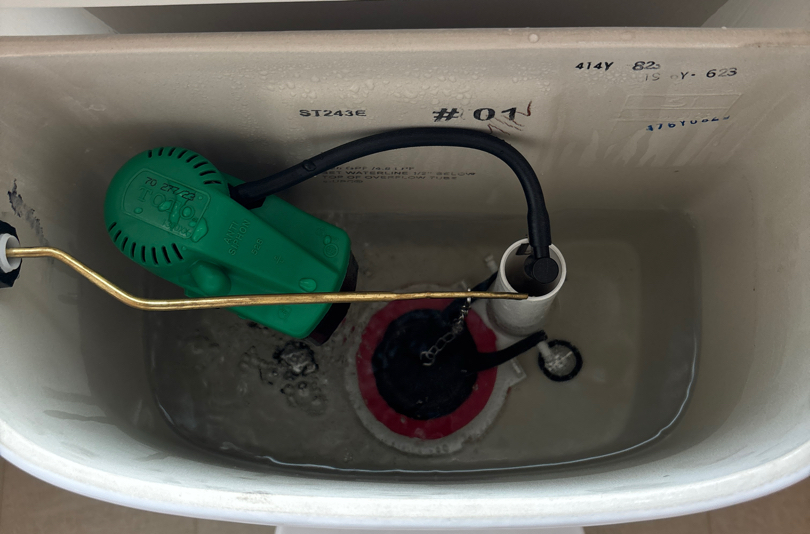
Toilet Tank
Otherwise known as The Back Rest. How Often Should You Clean Your Toilet Tank? Shoot for twice a year to avoid mildew, rust, & grime & to prevent a buildup of minerals that can damage the parts.
|
|
|
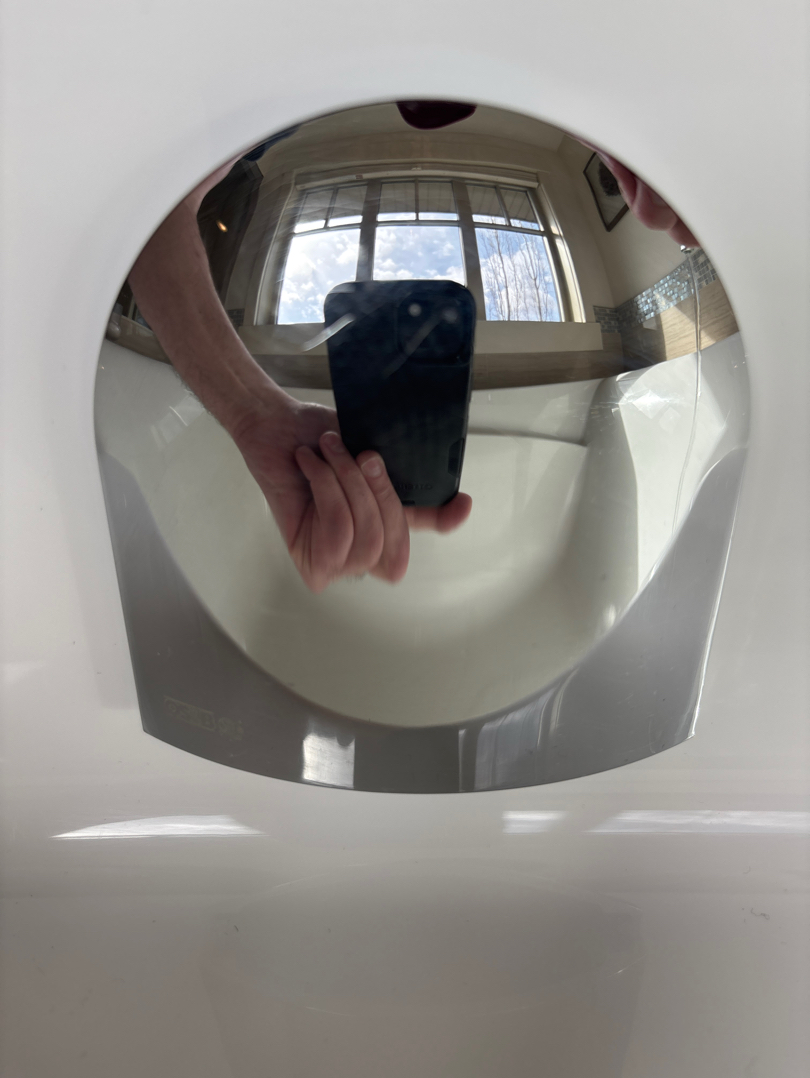
Toilet tests X4
nearly 30% of the water usage in your bathroom, so keeping these important plumbing fixtures in good condition is a must. While toilets do not require significant maintenance, some regular care & cleaning is needed to keep them in good working condition. 1. Don’t treat your toilet like a garbage 2. Regularly check your toilet for leaks 3. Use food coloring to test for tank flapper leaks. 4. Check the shutoff valve for operation.
|
|
|
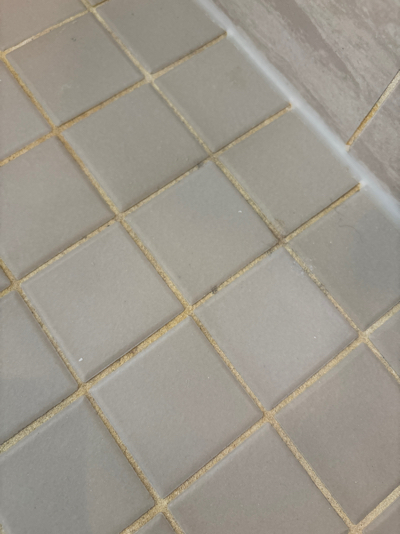
Overflow Drain(s)
Without an overflow drain, you might rush into the bathroom to find water spilling onto the bathroom floor, soaking everything in sight.Where does the water flow? Water enters the tub overflow hole & immediately drops down a pipe. This same pipe connects to the tub floor drain; overflow water travels the same path as the water that usually drains from your tub. Tested by filling the basin or cupping for a couple of minutes, then examining the floor below with a thermal or a moisture meter. |
|

|

|
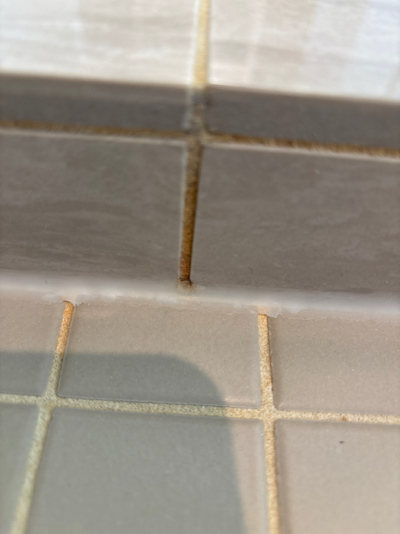
Support Photo
|
|
|
Support Photo
|

|

|
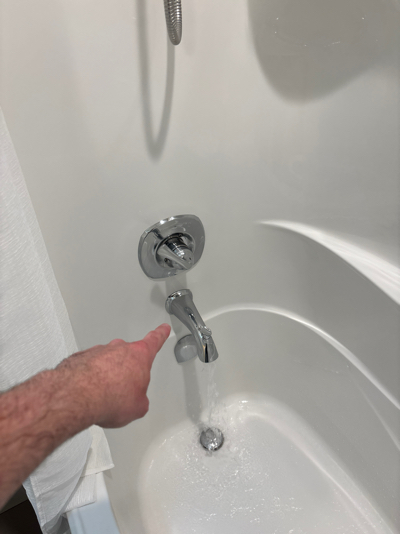
Support Photo
Finger for scale
|

|
|
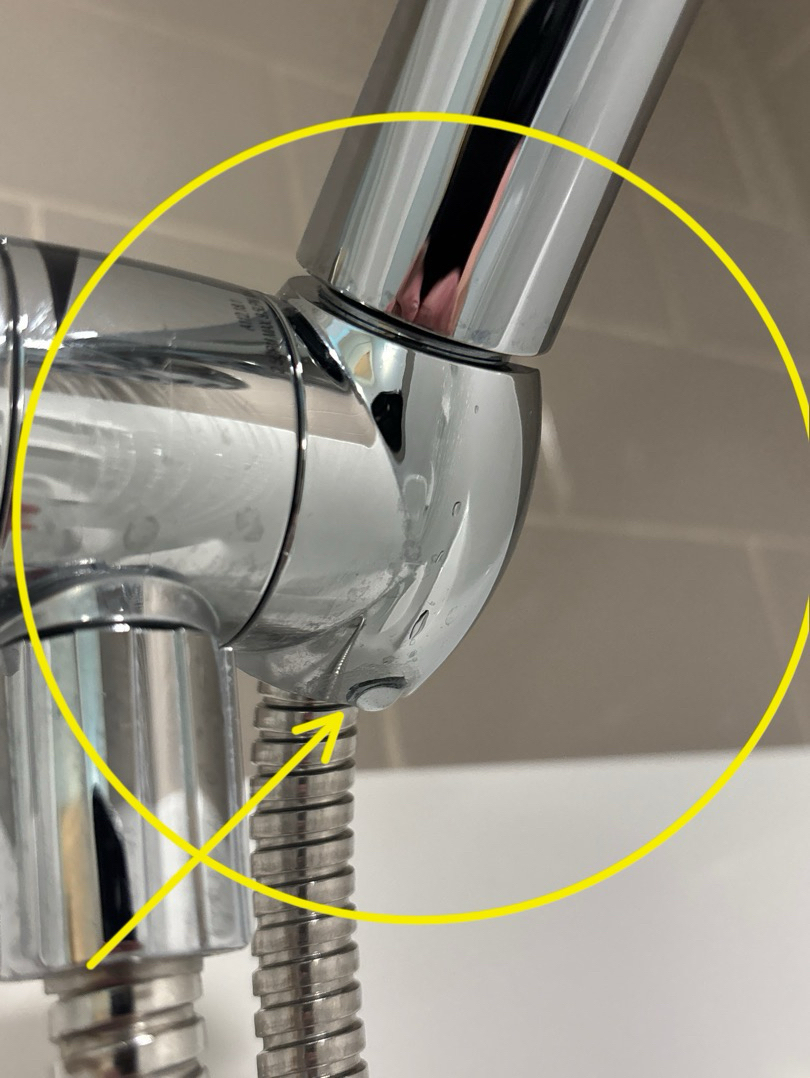
Support Photo
For location reference
|
|
|
|

|
Mixing Valve
Responsible for blending hot water with the cold for a safer temperature. For master tub.
|
|
|
|

|
This page (Powder Room)
One space. Captured clearly — so you know what’s there and its exact condition this day.
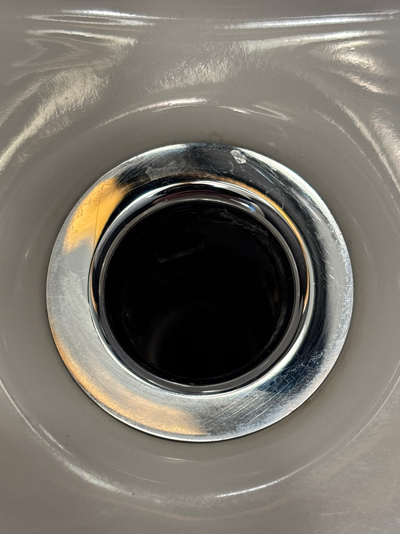
Powder Room Faucet
Always keep in mind your faucet's finish when using cleansers.
|
|
|
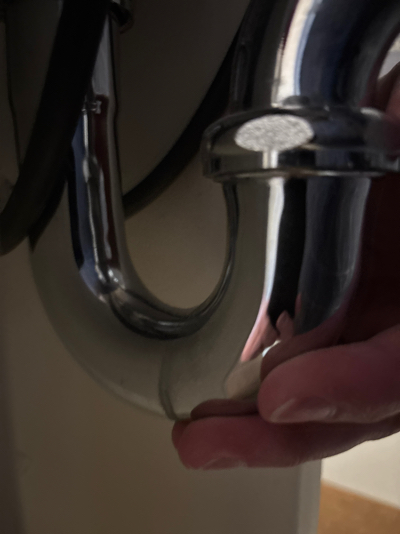
Powder Room P-Trap
Examined for leaks.
|

|
|
|

|
*Best Seat In The House*
Even before indoor plumbing folks understood that outhouses needed ventilation.When bathrooms moved indoors, ventilation was required not just to remove odors but also to exhaust excess moisture. We all know how much moisture can be produced by taking a hot shower, just think about the fogged mirrors & the condensation that forms on windows & walls, especially when it's cold outside. Bath fans are sized according to the volume of air they can move, measured in cubic feet per minute, or cfm. The rule of thumb is that you need 1 cfm for every square foot of floor area in the room. It's smart to err on the high side, especially in a bathroom that gets heavy use or one with a high ceiling. Better fans are engineered to run quieter than low-priced versions. Finally, don't forget: Bathroom fans should be left running for at least 20 minutes after each shower. This will ensure that all of the humidity is cleared out of both the room & the ventilation ductwork. |
|
| M BACK TO SUMMARY |
|
|
|

|
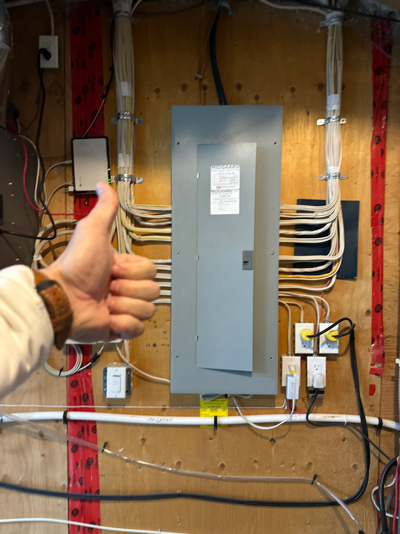
FYI Panel Clearance
requires a clear area for access & work that is (30”) wide, (36”) deep, & (78”) high. Depending on where you live.
Electrical Safety⚡️
Main & sub panel boxes should always be secured & worked on by certified tradespeople.
|
|
|
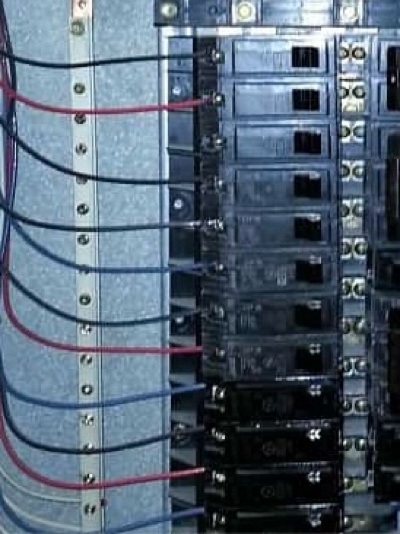
Electrical Panel
The electrical panel typically consists of a main breaker, circuit breakers and bus bars
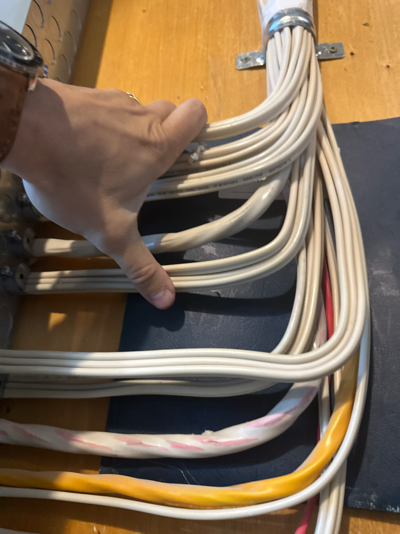
Support Photo
|
|

|
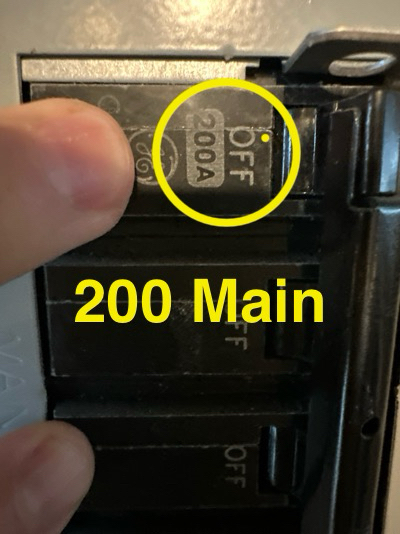
The Main Breaker
Generally, this will shut down everything! Designed to interrupt a large amperage load.
Labels & Stickers
See Photo.
|
|
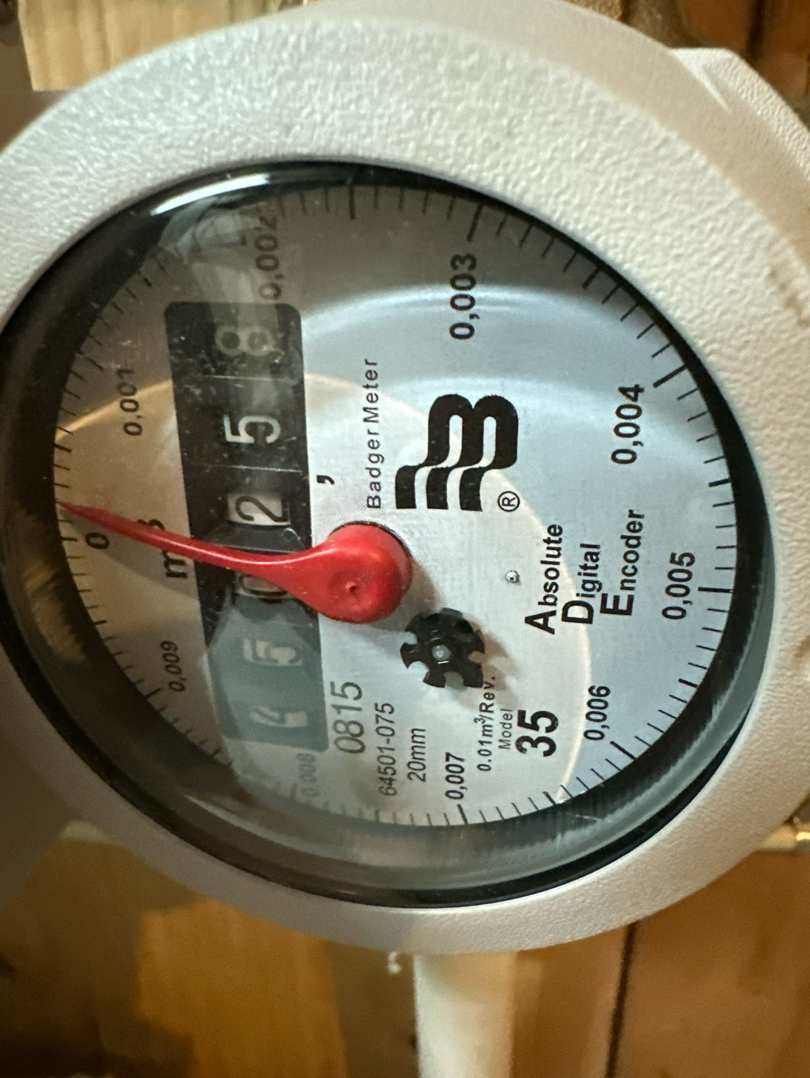
What does a water meter do?
Water meters are essential in conserving water & saving money on your water utility statement. A water meter is a mechanical device connected to your water connection & only registers consumption when water is used. There are no electric components inside a water meter. Meters are usually installed just above the main water shutoff valve in the home & most water meters have a transmitter that is remotely read for billing purposes.
|
|

|
The Water Main Shutoff
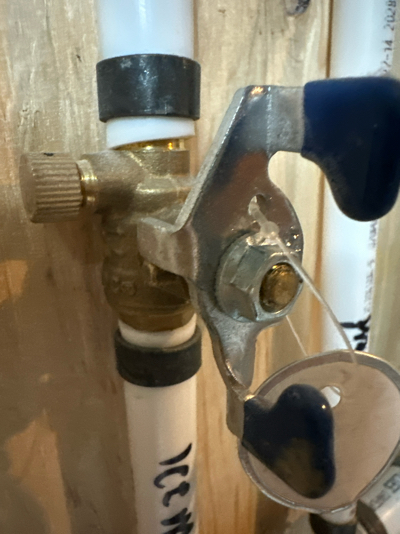
Nobody is expecting you to fix plumbing problems, but the ball is largely in your court to prevent problems. The main water shutoff valve allows you to shut off the water supply in your home. You may want to do this in several situations, such as: 1. In a plumbing emergency 2. When you are upgrading components of the water system in your home. 3. You will be spending an extended period away.
|
|
|
|
Exterior Water Shutoff Valve
These should be turned off & bled in the winter months to prevent potential problems in the spring.
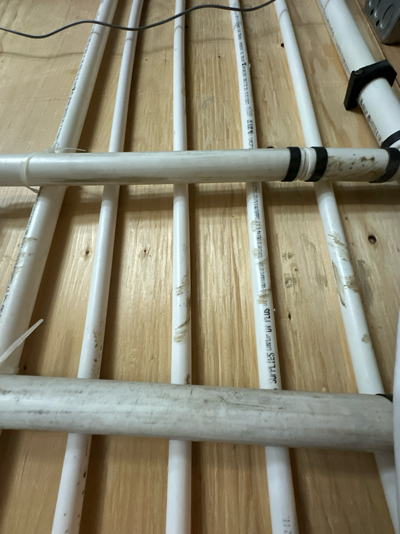
The Water Lines
Main visible water lines that could actually be seen throughout the inspection.
|
|
|
The Sewer Line
We’re usually very limited on what we can see here besides showing you the material.
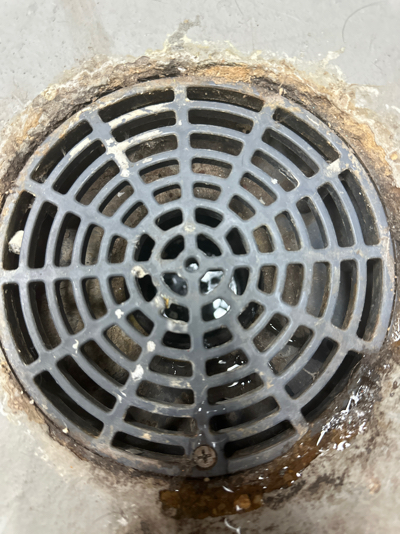
Main Drain
Usually only 1 per home. New or old, we always recommend having the sewer scoped to look for things like obstructions & more…
|
|
|
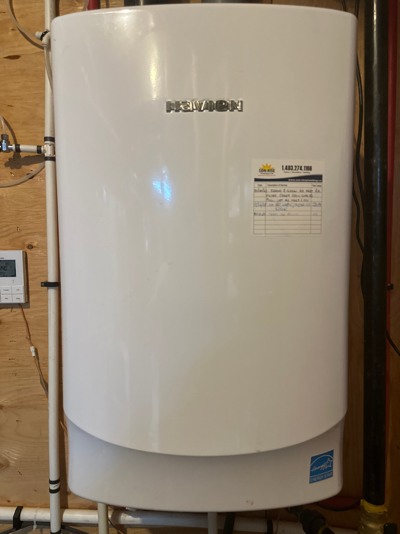
The Hot Water Unit
Life expectancy of a water heater is about 8-12 years from new.
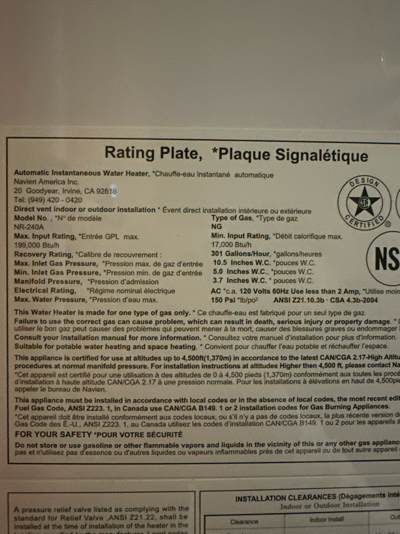
Hot Water Data Plate
This usually contains model & serial #. It also contains the birth date & other important info.
|
|
|
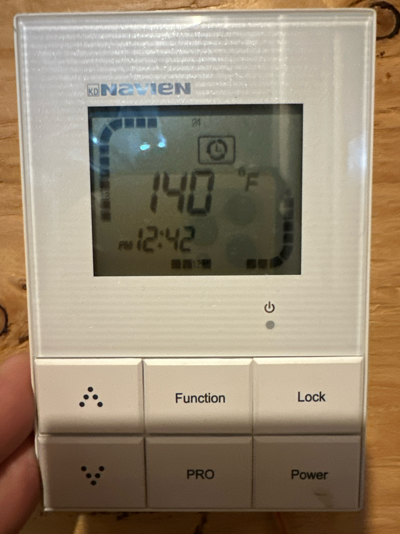
Hot Water Unit Thermostat
This is essentially a temperature-activated regulating switch.
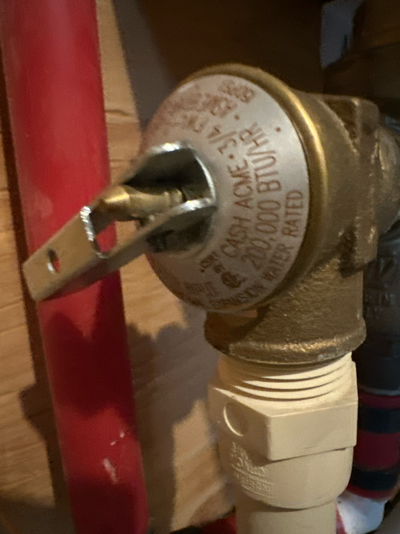
TPR
Temperature-Pressure Relief Valve. Designed to auto-release water if pressure or temp in the water tank exceeds safe levels.
|
|
|
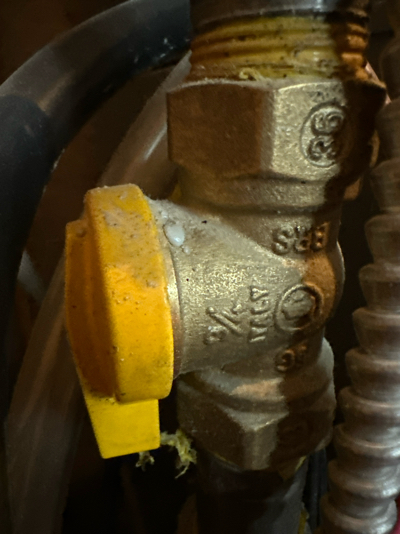
Gas Supply Shutoff
Here for safety or when doing repairs.
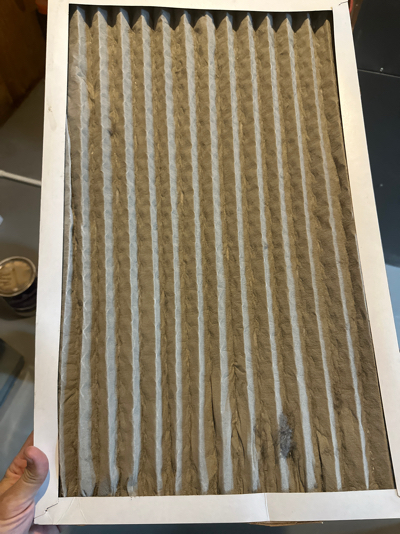
Heating Unit Filter
Change filters upon possession, then once every three months. We prefer the cheap filters!
|
|
|
Main Heating Unit
Run for the majority of this inspection. A thorough clean & precision tune-up is always recommended.
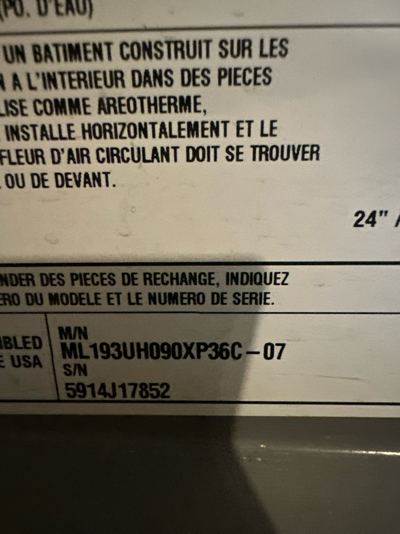
Heating Unit Data Plate
A small metal or sticker plate that provides key information about a home's heating system. Year 2014
|
|
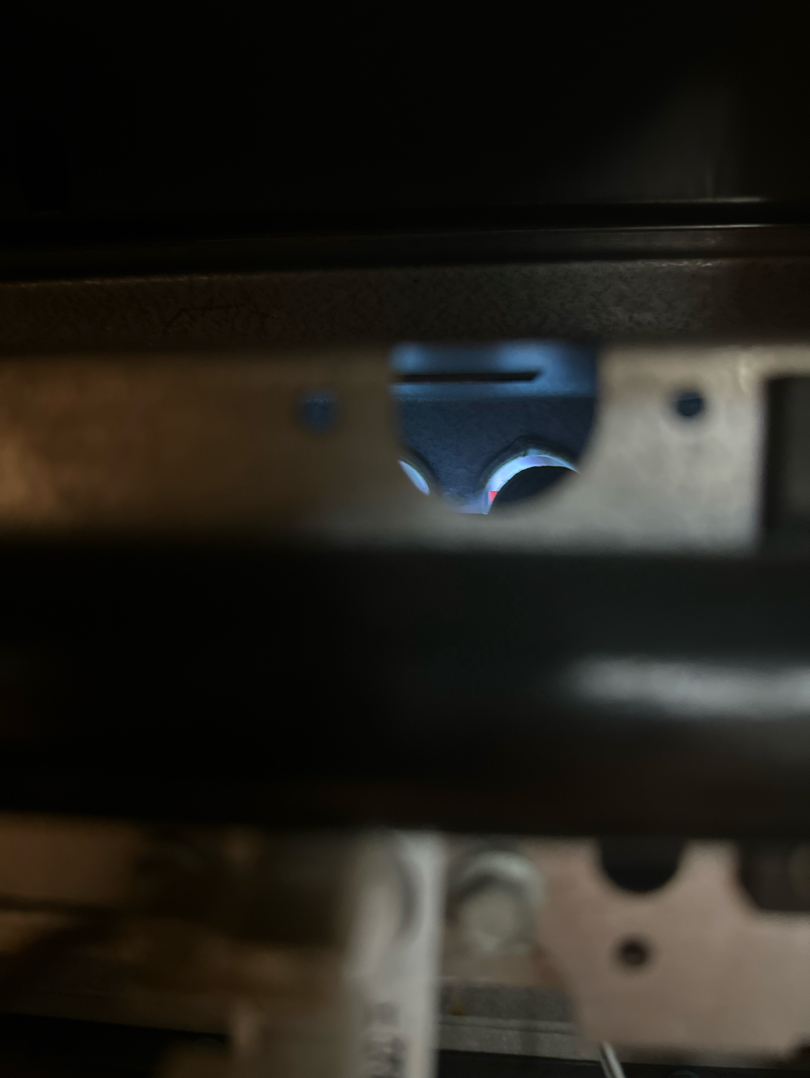
Heating Unit Flame
Why Does a Blue Flame Indicate More Complete Combustion? If you remember the Bunsen burner days of your science education, you may recall how different flame colors result from varying amounts of oxygen. By increasing the oxygen supply, you get higher temperatures, less soot, & more complete combustion. When the flame does not receive enough oxygen, you can see the flame color change to a red, orange, or yellow color.
|
|
|
|
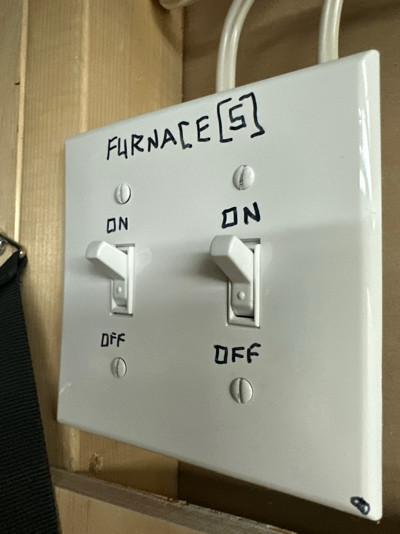
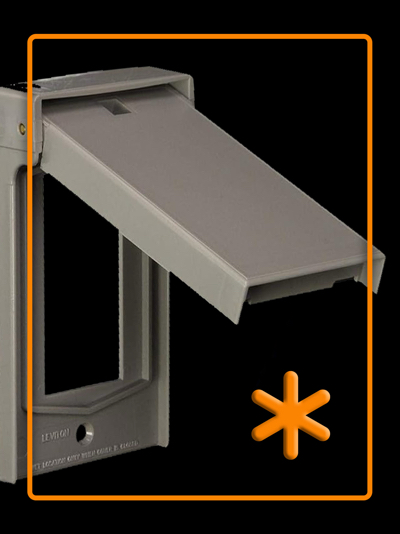
Heating Unit Shutoff
Used to disconnect the power. Required as a "disconnecting means" within sight of the unit.
Heating Unit Shutoff Cover.
A cover plate is recommended. Why? Because it will prevent people from turning these off by accident.
|
|
|
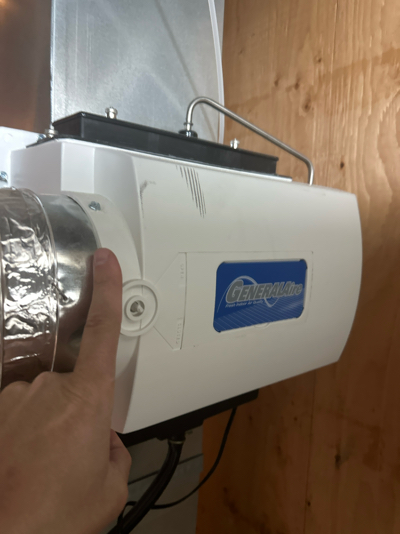
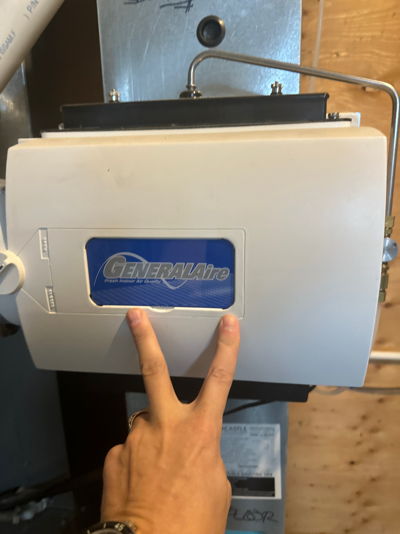
The Humidifier x2
Humidifier filters should be changed or cleaned every six months. Sometimes you can get away with just cleaning them.
Benefits of A Humidifier
Moisture-loving houseplants may become more vibrant, & wood floors or furniture may last longer.
|
|
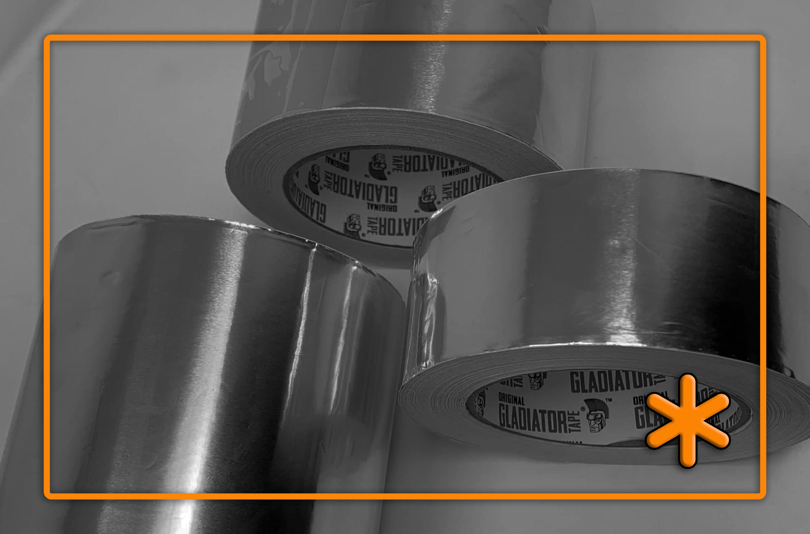
Tin Tape.
This tape is pretty tough, so it can be used in a range of temp settings-HOT or COLD. This kind of tape is commonly used to secure seams, connections, & joints of ducts, allowing air to get to where it's gotta get to more efficiently.
|
|

|
Pipe Insulation Tip.
Overall, adding insulation to your pipes reduces the risk of freezing, reducing the need for expensive repairs. In the end, your house is safer, a loss of hot water does not inconvenience you, & repair fees do not suddenly cut your budget.
|
|
|
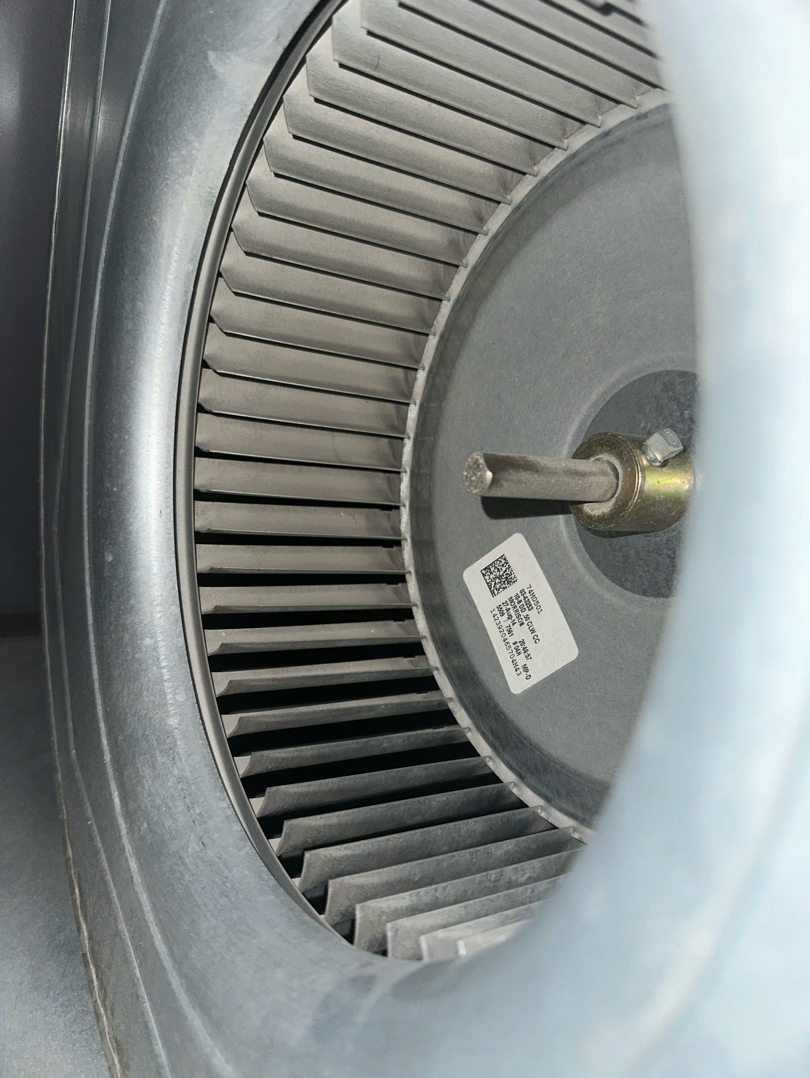
Blower Motor
This fan pushes heated or cooled air through based on the climate system settings.
|
|

|
Inside Furnace Ducting
Used in (HVAC) to deliver & remove air. These should be cleaned every few years.
|
|
|
|
|
This page (2nd Furnace)
One space. Captured clearly — so you know what’s there and its exact condition this day.
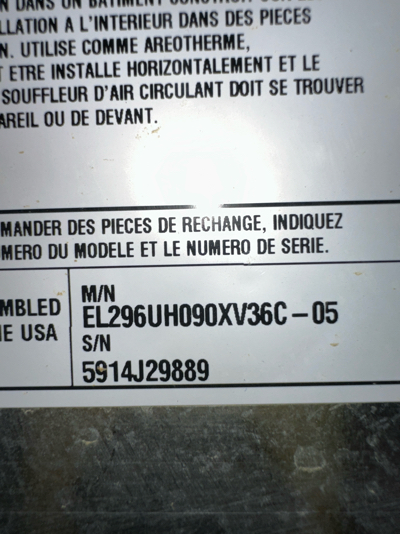
Data Plate
Important information re: model, serial #’s, manufacturer, gallon capacity, & more.
|
|
|
Furnace
Visually examined for common defects.
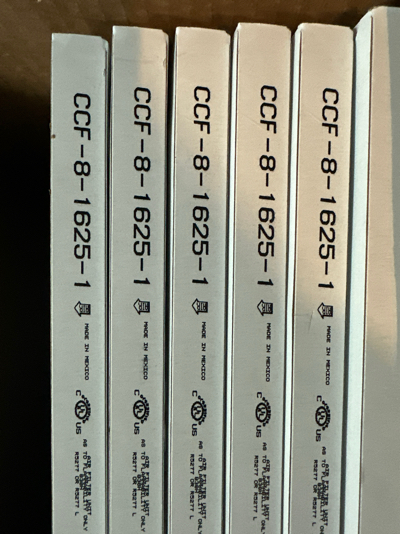
Filter
Here to protect your furnace, specifically the blower fan, from all the dust, debris, hair, and other pollutants
|
|
Furnace Flame
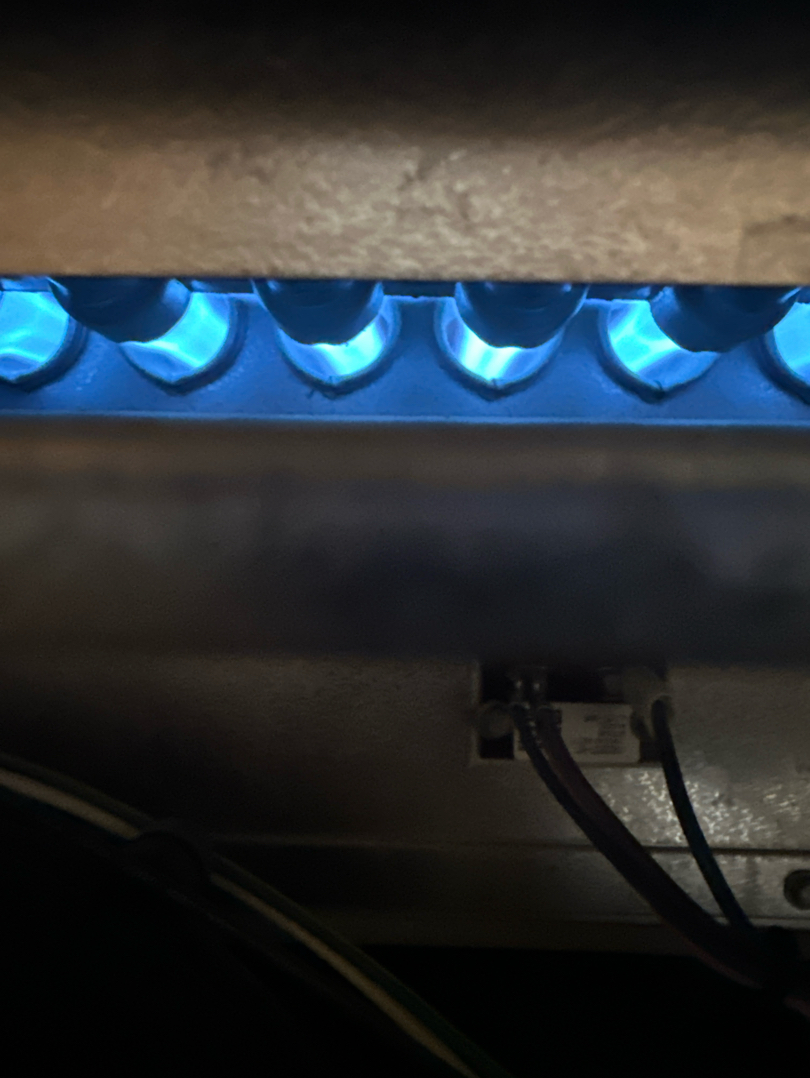
The burner flames from a natural gas furnace should look blue or almost completely blue. A healthy natural gas furnace flame is characterized by a roaring blue flame with a light blue triangle in its center. There may be a tiny tip of yellow.
|
|
|
*The HRV
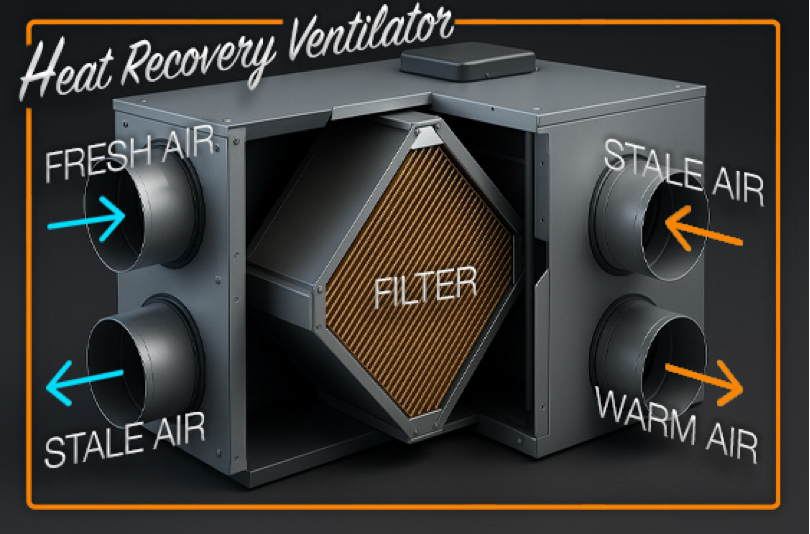
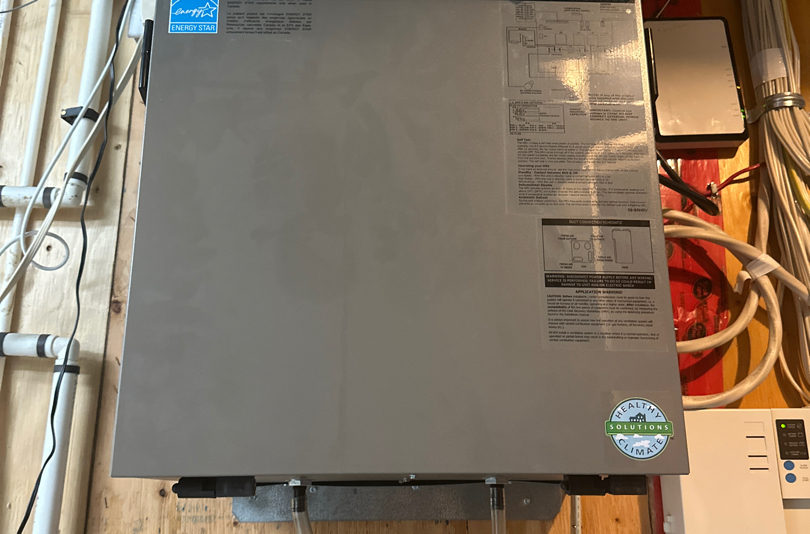
Heat Recovery Ventilators exchanges indoor and outdoor air, using heat from outgoing air to warm incoming fresh air, optimizing energy use and improving indoor air quality. Excellent at reducing heating costs and preventing moisture buildup.
|
|
|
HRV Data Plate
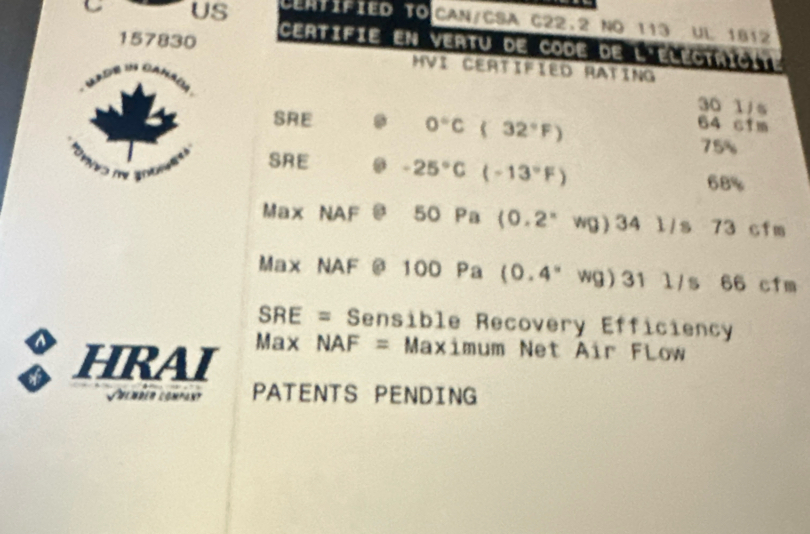
This usually contains model & serial #. It also contains the birth date & other important info.
|
|
|
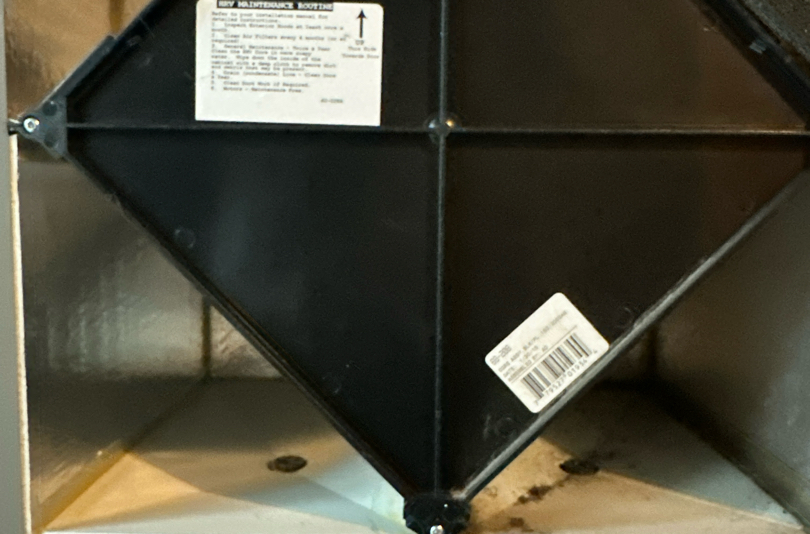
Heat Recovery Ventilation
Also known as mechanical ventilation, heat recovery is an energy recovery ventilation system that works between two sources at different temperatures. Heat recovery is a method that is used to reduce the heating & cooling demands of a home.
|
|
|
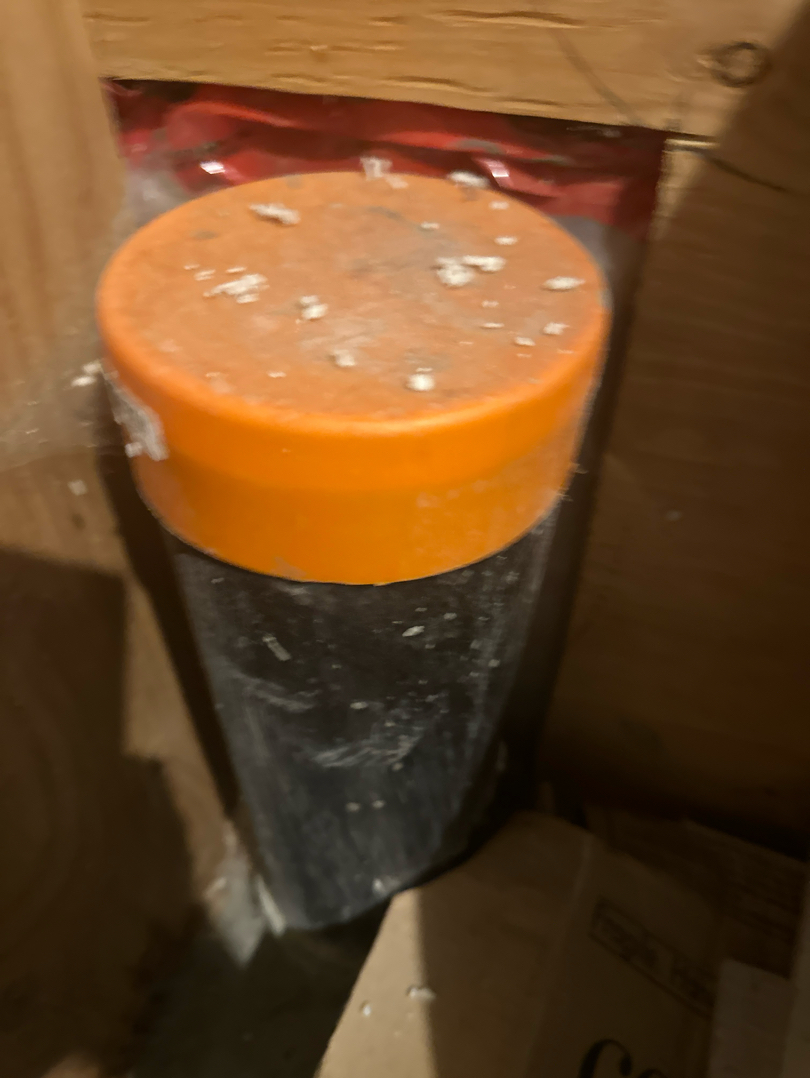
HRV Filter
When any machine has its normal operation hampered, it will reduce its efficiency & ability to function properly. Many of us are probably guilty of forgetting about the basic maintenance of some of the mechanical equipment in our homes. Keeping your HRV (heat recovery ventilator) clean would be a good thing to keep high on the priority list. Examined for functionality & cleanliness.
|
|
|
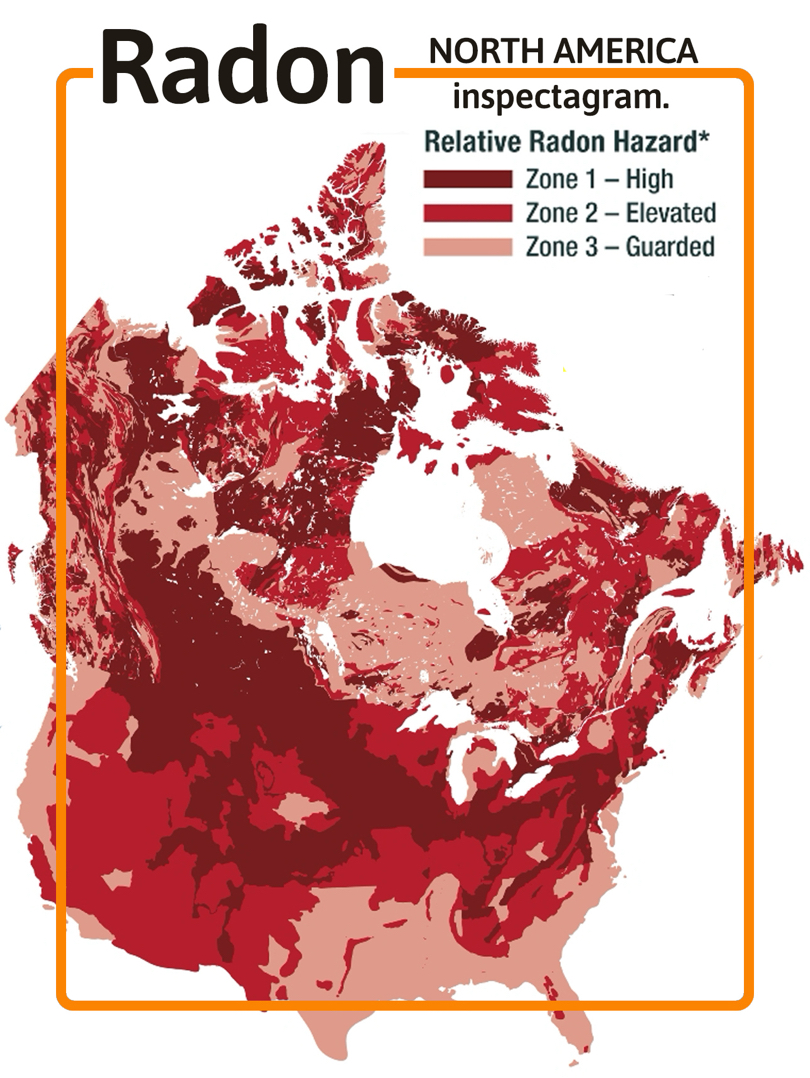
Radon Rough-In
This consists of a porous layer & a barrier beneath the slab & radon piping that extends from below the slab. Outside our SOP's. Not Inspected
|
|
|
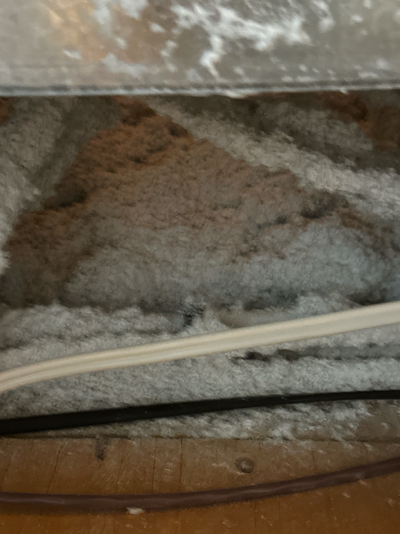
Radon NORTH AMERICA.
Radon is a naturally occurring radioactive gas produced by the decay of uranium in soil and rock. It is colorless, odorless, and tasteless, making it difficult to detect without specific testing. In Canada, radon can accumulate in homes, particularly in basements and ground floors, through cracks in foundations or gaps around pipes. Exposure to high levels of radon is a major health risk, significantly increasing the likelihood of lung cancer, making it the second leading cause after smoking. Regular testing and mitigation are recommended to ensure safety.
|
|
|
|
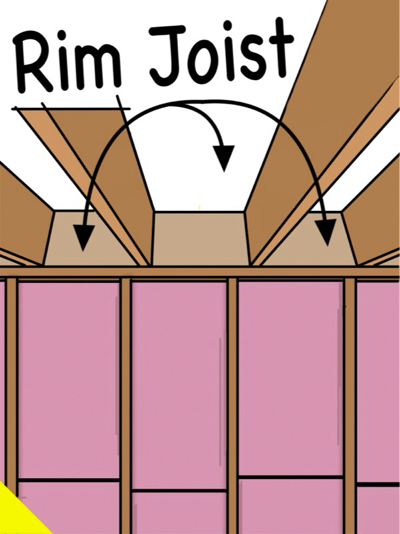
Rim Joist
Responsible for limiting the stress & deflection under load of the joist.
Rim Joist
A rim joist is a horizontal board that connects the ends of the floor joists and provides support to the exterior walls of a home.
|
|
|
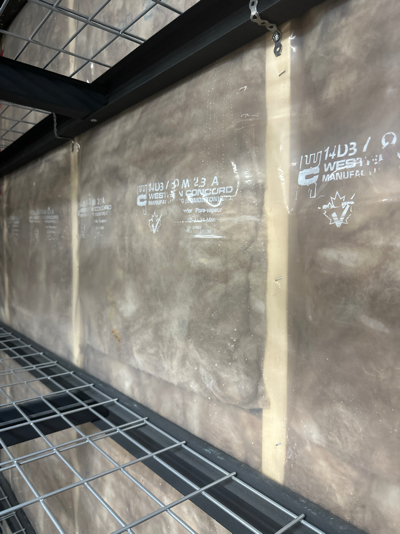
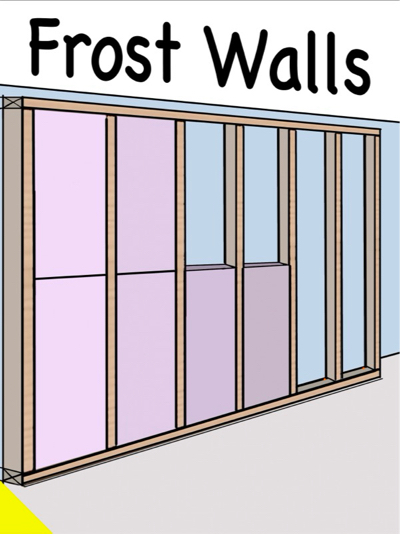
Frost Wall
The frameworks that hold the insulation & poly below-grade.
Frost Wall
A type of foundation wall that helps prevent freezing and thawing of the ground beneath a house.
|
|
|
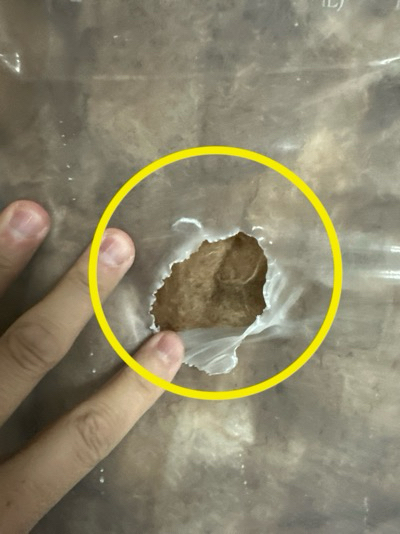
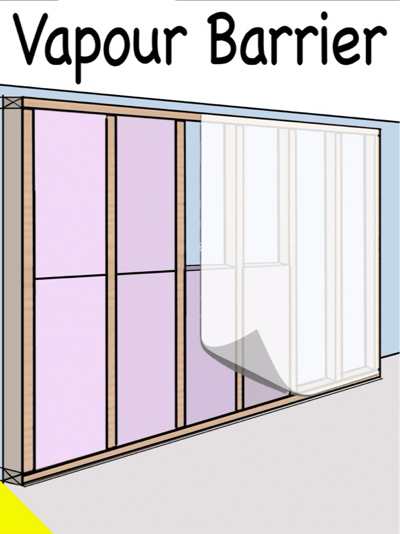
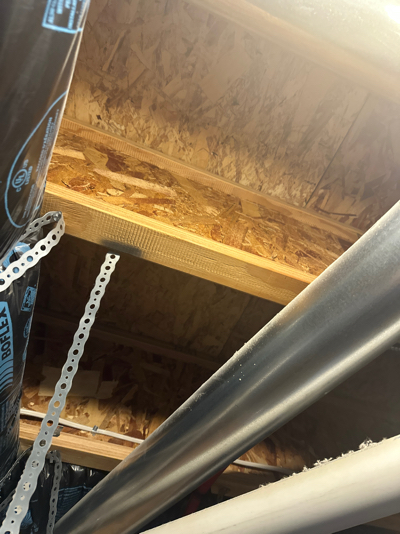
Vapour Barrier
Prevents moisture migration, controlling humidity and protecting against potential damage, mold, or energy loss.
|
|

|
Joist
These serve to provide stiffness to the subfloor sheathing & spread the load.
Support Photo
|

|
*Mechanical*
When it comes to your mechanical room, it's not only maintenance & cleaning the unit itself you must keep in mind. Where your mechanicals are located, what's nearby, & how to move around, these all matter too.
|
|
playbook

Gathering what you need, discarding what you don’t.
Hit the thumb print to find tactics or methods to form your own game plan.
There you’ll find tips & tricks on maintenance, recalls, cleaning, preparing your home for sale, dealing with difficult neighbours & more.

insurance
| Overview | |
| Build Year | See Listing (reno 2018) |
| Outdoor Temperature | Approx +16°C / 60° F |
| Direction Home Faces | North |
| Vacancy | Occupied |
| Furnished | Partial |
| Roof | |
| Inspection Limitations | Visibility / Height / Safety |
| Approximate Age | Undetermined-See Listing Details |
| Roof Material | Asphalt Shingle (metal valley) |
| Gutter Material | Aluminum / Keep clear of obstructions |
| Fascia Material | Metal Clad / Mix |
| Soffit Material | Metal / Perforated |
| Exterior | |
| Inspection Limitations | Visibility / Height / Safety |
| Driveway / Walkway | Concrete / Pavers |
| Window Glaze | Triple Pane / Double Mix |
| Flashings | Present @ Windows / Doors |
| Exterior Cladding | Concrete-Composite Board or Like HARDY |
| Electrical Entry | Underground / See Photo |
| Cooling Type(s) | Air Conditioning / second floor |
| Gas Main Location | Exterior Side Yard |
| Garage | |
| Inspection Limitations | Visibility/Sellers Belongings |
| Motor Brand | SEE PHOTO |
| HVAC Type | Gas Heater ( Reznor ) |
insurance
| Attic | |
| Inspection Limitations | Visibility / Access ( As seen from hatch ) |
| Sheathing Material | OSB / Small amount of plywood |
| Approx. R-Value | R-30+ ( unevenly distributed ) |
| Type of Insulation | Cellulose or Like / Some Batt |
| Thermal | |
| Inspection Limitations | Visibility / Obstructions / Belongings |
| Health & Safety | |
| Inspection Limitations | Visibility (upgrade) |
| Safety Features Present | Smoke & Carbon Monoxide Detectors |
| Interior | |
| Inspection Limitations | Visibility / Sellers Belongings |
| Thermostat Location | Main Floor / Set back to original settings |
| Flooring Materials | Hardwood / Carpet / Tile |
| Wall Materials | Drywall / Scanned for sigms of damage & stains. |
| Fireplace Fuel Type(s) | Natural Gas / Turned off after testing. |
| Kitchen | |
| Inspection Limitations | Visibility/Stored Items |
| GFCIs | Present / TESTED |
| Laundromat | |
| Inspection Limitations | Visibility/Apppliances-Mostly Covered |
| Bathroom | |
| Inspection Limitations | Visibility/Stored Items/Access |
| GFCIs | Present / TESTED |
insurance
| Mechanical | |
| Inspection Limitations | Visibility/Mostly Covered-Sellers Belongings |
| Main Amp | See photo (100 AMP) |
| Wiring Material | Copper (aluminum at transformer within code) |
| System Ground | Ground Rod |
| AFCI Breakers | Present (tested satisfactory) |
| Electrical Bonding | Undetermined (partial on gasline) |
| Heating Type(s) | Gas Furnace- Consider precision tune up |
| Water Supply Source | Public |
| Sewer Material(s) | ABS |
| Backwater Valve | Undetermined- Check Listing Details |
| Main Drain | Present (mech room) |
| Water Line Material | PEX or Like / ONLY what we could visibly see |
| Hot Water Fuel | Natural Gas |
| Heating Fuel | Natural Gas |
| Water Main Location | Mechanical Room / labled |
| Main Electrical Location | Mechanical Room |
| Sump Pump | Not Present |
| Waste Lift Station | No Access/Not Visible |
| + Heat Source | Fireplaces x2 (both operarional) |
| Structure | |
| Inspection Limitations | Visibility/ 99% covered |
| Foundation Type | Concrete / Poured |
| Structure Type | Engineered & Dimentional Lumber |
| Roof Structure | Truss / Scissor truss at rear |
| Walls Structure | 2x6 Studs exterior & 2x4 Interior |